Get your free personalized podcast brief
We scan new podcasts and send you the top 5 insights daily.
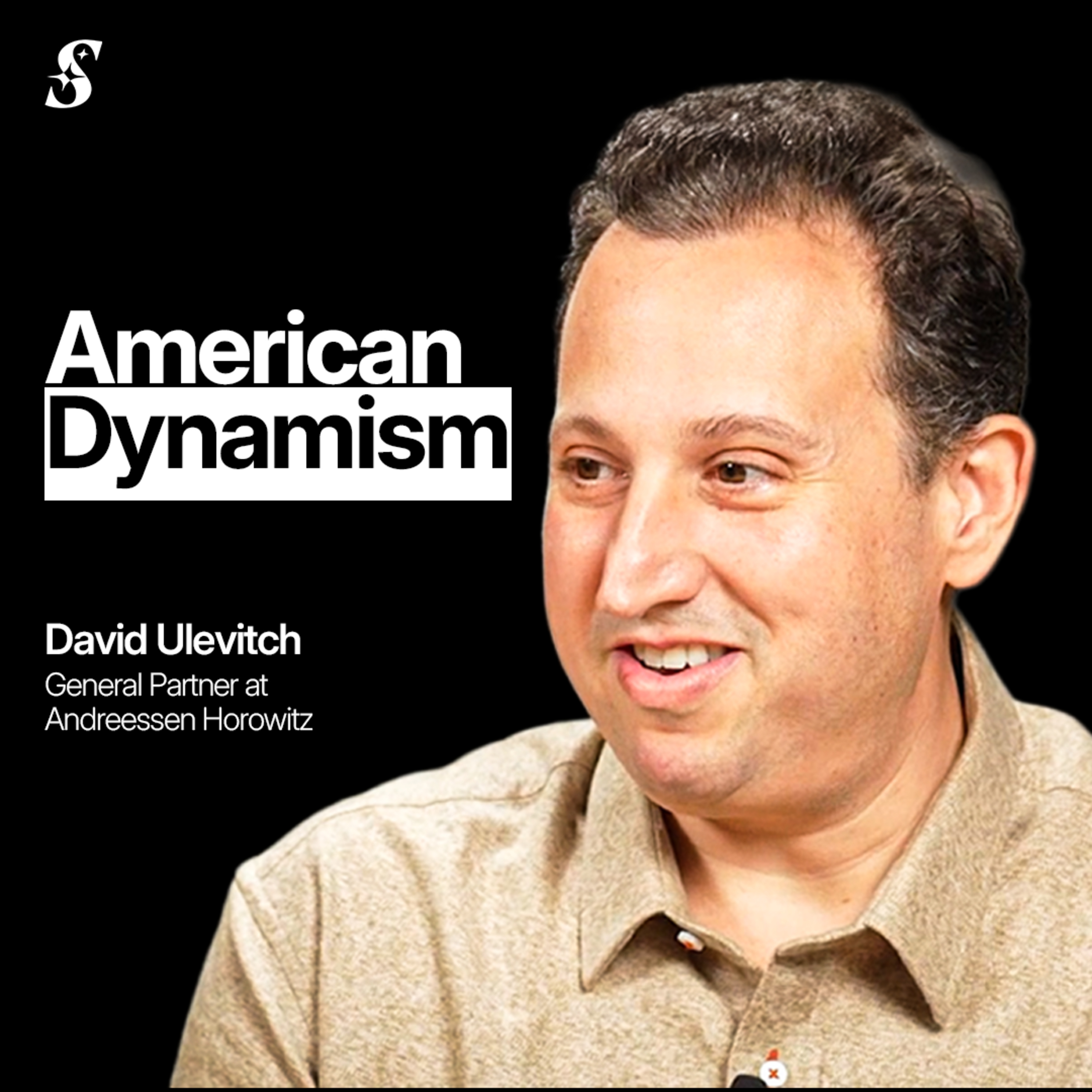
When launching its American Dynamism fund, Andreessen Horowitz faced significant pushback from LPs about investing in defense companies. Instead of being reactive, the firm invested significant time in educating its LP base on the thesis, turning a point of conflict into an understood and accepted strategy.

Related Insights
David Ulevitch of a16z recounts a major conflict with another firm that he didn't even know existed. The issue wasn't a specific deal but a fundamental disagreement about firm operations. This highlights that tensions can simmer unseen and resolution requires addressing core philosophies, not just transactional disagreements.
Historically, internal conflicts or partner turnover in VC firms were seen as universally negative. Now, leading firms are becoming more transparent, inviting Limited Partners (LPs) into these discussions to act as sounding boards and provide best practices for resolution.

Luckey reveals that Anduril prioritized institutional engagement over engineering in its early days, initially hiring more lawyers and lobbyists. The biggest challenge wasn't building the technology, but convincing the Department of Defense and political stakeholders to believe in a new procurement model, proving that shaping the system is a prerequisite for success.
![Palmer Luckey - Inventing the Future of Defense - [Invest Like the Best, CLASSICS] thumbnail](https://megaphone.imgix.net/podcasts/f7c9aa8e-cb8d-11f0-828e-0b281809c10a/image/cc07f91ec47f95abbde771a4956b37b7.jpg?ixlib=rails-4.3.1&max-w=3000&max-h=3000&fit=crop&auto=format,compress)
For its American Dynamism fund, Andreessen Horowitz provides more than capital; it fields a dedicated policy team in Washington D.C. This team works to change structural government problems, like defense procurement, creating a more favorable market for its portfolio and the broader startup ecosystem.
To launch a high-risk crypto fund, Chris Dixon proactively met with LPs. He presented not only the investment thesis but also an "anti-pitch" outlining all potential downsides. This ensured participating LPs were fully aligned and opted-in knowingly, managing expectations for the volatile asset class.

In a tech climate wary of defense work, Anduril was "very unapologetic that they were a defense company." This clear, strong positioning acted as a crucial filter, repelling skeptical investors but attracting partners like Andreessen Horowitz who were fully aligned with their mission from the start.
Unlike committees, where partners might "sell" each other on a deal, a single decision-maker model tests true conviction. If a General Partner proceeds with an investment despite negative feedback from the partnership, it demonstrates their unwavering belief, leading to more intellectually honest decisions.
A16z's growth fund avoids traditional investment committees, which can lead to politicization and slow decisions. Instead, it uses a venture-style "single trigger" model where one partner can champion a deal, encouraging intellectual honesty and speed.
![David George - Building a16z Growth, Investing Across the AI Stack, and Why Markets Misprice Growth - [Invest Like the Best, EP.450] thumbnail](https://megaphone.imgix.net/podcasts/8da7dbd8-ceeb-11f0-941c-ef83bcdd4c9f/image/d44107bc94719f78fbe91befb141073e.jpg?ixlib=rails-4.3.1&max-w=3000&max-h=3000&fit=crop&auto=format,compress)
To break into the VC oligopoly, Andreessen Horowitz differentiated itself by building a firm as a "product" for entrepreneurs. They focused on providing the network, knowledge, and support founders needed to become CEOs, a service incumbent VCs were not structured to offer.
![Ben Horowitz - Backing America’s Future - [Invest Like the Best, EP.457] thumbnail](https://megaphone.imgix.net/podcasts/9505619a-009e-11f1-869d-c7d5bc43b194/image/83257eb514e1fd42513d2e46eeb4e9dd.jpg?ixlib=rails-4.3.1&max-w=3000&max-h=3000&fit=crop&auto=format,compress)
Andreessen Horowitz first established "American Dynamism" as a public narrative and investment practice, using its main venture fund for initial deals. This "meme-first" strategy built momentum and a track record, proving the thesis before they raised a dedicated, specialized fund.