Get your free personalized podcast brief
We scan new podcasts and send you the top 5 insights daily.
Answering "Why are you different?" requires deep thinking that connects strategy to operations. Han Shin of iFly explains that true differentiation is a cohesive system—his fund's thesis-driven research, concentrated portfolio, and large check sizes are all interconnected, enabling the deep, hands-on support that defines his value proposition.

Related Insights
The most successful venture investors share two key traits: they originate investments from a first-principles or contrarian standpoint, and they possess the conviction to concentrate significant capital into their winning portfolio companies as they emerge.

While every VC has a network, true sourcing edge comes from building a brand and belief system that resonates deeply with founders. This makes founders proactively seek you out, creating a high-quality inbound channel with deals that competitors aren't seeing, allowing a small fund to punch above its weight.

Thrive Capital's strategy of making a few large bets is not just for financial returns. It's an ideological choice to align with "life's work founders" for whom their startup is a portfolio of one. This ensures every win feels great and every loss hurts, creating true skin in the game.
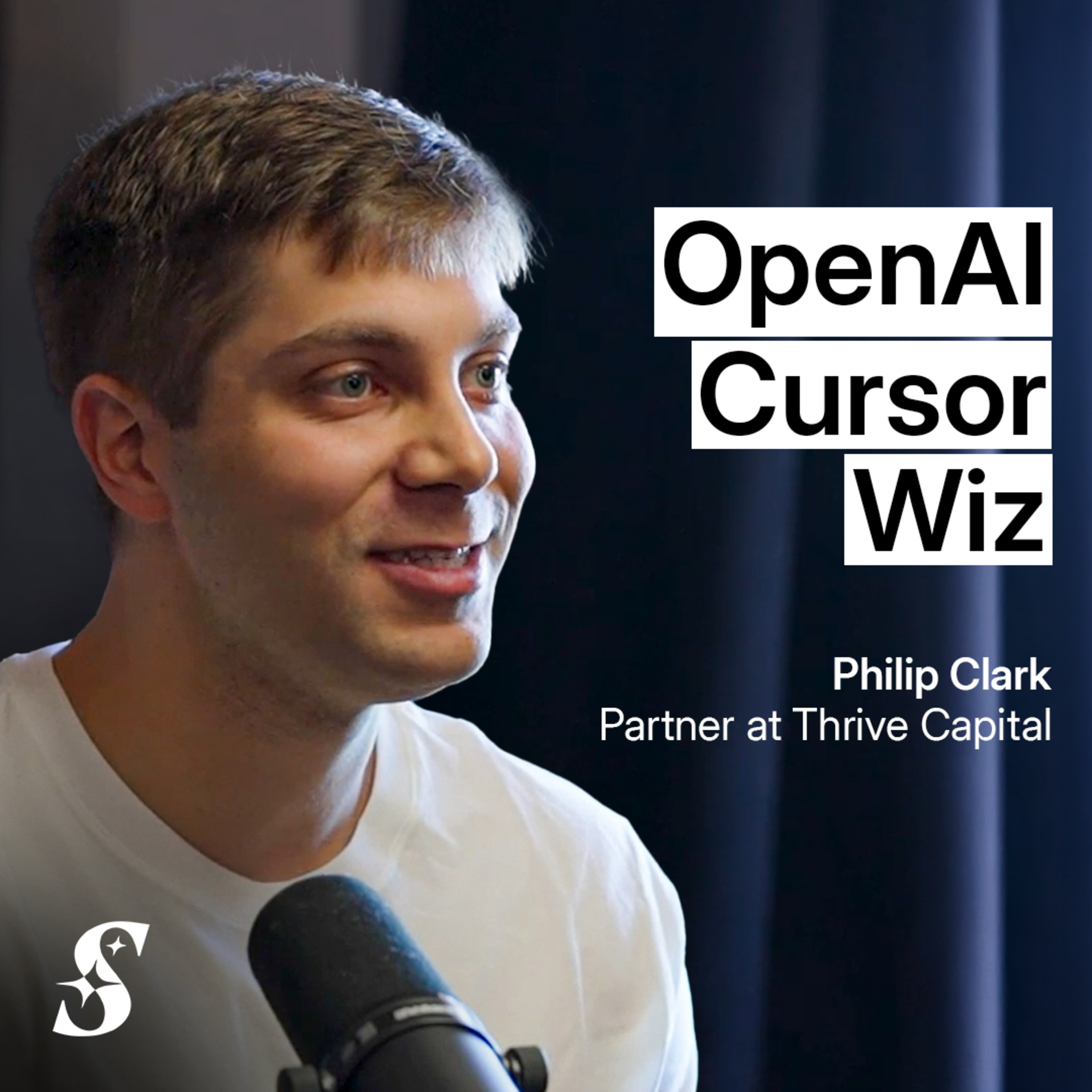
VCs at the highest level don't just write checks; they fundamentally reset a founder's aspirations. By placing a startup in the lineage of giants like Google and Oracle, they shift the goal from building a big business to creating a generational company.

Founders with deep market fit must trust their unique intuition over persuasive, but generic, VC advice. Following the standard playbook leads to cookie-cutter companies, while leaning into the 'weird' things that make your business different is what creates a unique, defensible moat.

In a crowded market, the most critical question for a founder is not "what's the idea?" but "why am I so lucky to have this insight?" You must identify your unique advantage—your "alpha"—that allows you to see something others don't. Without this, you're just another smart person trying things.

Resist the common trend of chasing popular deals. Instead, invest years in deeply understanding a specific, narrow sector. This specialized expertise allows you to make smarter investment decisions, add unique value to companies, and potentially secure better deal pricing when opportunities eventually arise.

Competing to be a founder's "first call" is a crowded, zero-sum game. A more effective strategy is to be the "second call"—the specialist a founder turns to for a specific, difficult problem after consulting their lead investor. This positioning is more scalable, collaborative, and allows for differentiated value-add.

Unlike operating companies that seek consistency, VC firms hunt for outliers. This requires a 'stewardship' model that empowers outlier talent with autonomy. A traditional, top-down CEO model that enforces uniformity would stifle the very contrarian thinking necessary for venture success. The job is to enable, not manage.

Instead of focusing on process, allocators should first ask managers fundamental questions like "What do you believe?" and "Why does this work?" to uncover their core investment philosophy. This simple test filters out the majority of firms that lack a deeply held, clearly articulated conviction about their edge.
