Get your free personalized podcast brief
We scan new podcasts and send you the top 5 insights daily.
Young people are turning to AI chatbots for emotional support because they are always available and won't challenge them. This avoids the difficult but necessary "pushback" that real friends provide, replacing genuine, challenging connection with easy, agreeable interaction.

Related Insights
AI companionship is not a future threat; it's a present reality. With 75% of US teens having used an AI companion and 20% preferring them to human interaction, society is facing a rapid, un-scrutinized shift toward outsourcing relationships to algorithms.

AI companion chatbots are dangerously effective at providing frictionless, agreeable conversations. This may create unrealistic expectations for young people, who may prefer the ease of a digital partner over the "sloppiness" of real human intimacy.

The powerful allure of AI relationships lies in their sycophantic nature. They provide a frictionless, non-judgmental partner who is always available to listen and please. This caters directly to the human desire to be the center of attention without the effort and compromise required in real relationships.
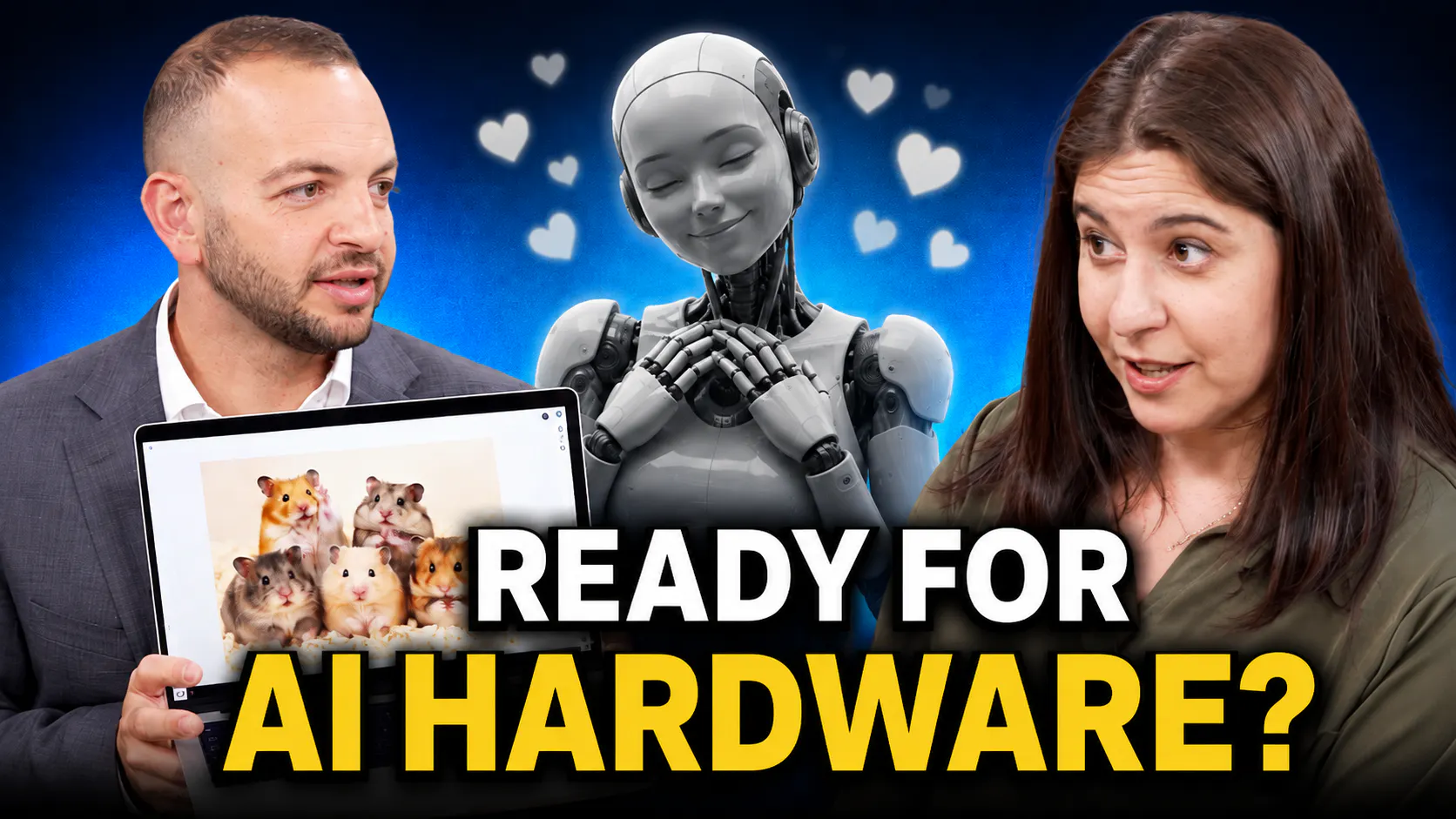
Real-world relationships are complex and costly, whereas AI companions offer a perfect, on-demand, low-friction substitute. Just as social media feeds provided a cheaper dopamine hit than coordinating real-life events, AI relationships will become the default for many, making authentic human connection a luxury good.

The flawless, ever-present nature of AI companions, while seductive, prevents children from learning through the "rupture and repair" cycles of real human interaction. This friction is essential for developing empathy, resilience, and other crucial social skills.

Beyond sensational failures like inappropriate content, the more insidious risk of AI companions is their core design. An endlessly accommodating chatbot that never challenges a child could stunt the development of crucial social skills like negotiation, compromise, and resilience, which are learned through friction with other humans.

Real relationships are built on navigating friction, messiness, and other people. Synthetic AI companions that are seamless and constantly agreeable create an unrealistic expectation, making the normal challenges of human interaction feel overwhelmingly problematic and undesirable by comparison.

The most rewarding aspects of life come from navigating difficult human interactions. "Synthetic relationships" with AI offer a frictionless alternative that could reduce a person's motivation and ability to build the resilience needed for meaningful connections with other people.
A national survey reveals a significant blind spot for parents: nearly one in five U.S. high schoolers report a romantic relationship with AI for themselves or a friend. With over a third finding it easier to talk to AI than their parents, a generation is turning to AI for mental health and relationship advice without parental guidance.
A primary danger of AI is its ability to offer young men 'low friction' relationships with AI characters. This circumvents the messy, difficult, but necessary process of real-world interaction, stunting the development of social skills and resilience that are forged through the friction of human connection.