Get your free personalized podcast brief
We scan new podcasts and send you the top 5 insights daily.
A national survey reveals a significant blind spot for parents: nearly one in five U.S. high schoolers report a romantic relationship with AI for themselves or a friend. With over a third finding it easier to talk to AI than their parents, a generation is turning to AI for mental health and relationship advice without parental guidance.
Related Insights
Beyond economic disruption, AI's most immediate danger is social. By providing synthetic relationships and on-demand companionship, AI companies have an economic incentive to evolve an “asocial species of young male.” This could lead to a generation sequestered from society, unwilling to engage in the effort of real-world relationships.

Contrary to the focus on professional use cases, OpenAI's largest study shows that 46% of messages from adult consumer users are from the 18-25 age group. This indicates the emergence of an "AI native" generation whose approach to work and education will be fundamentally different.
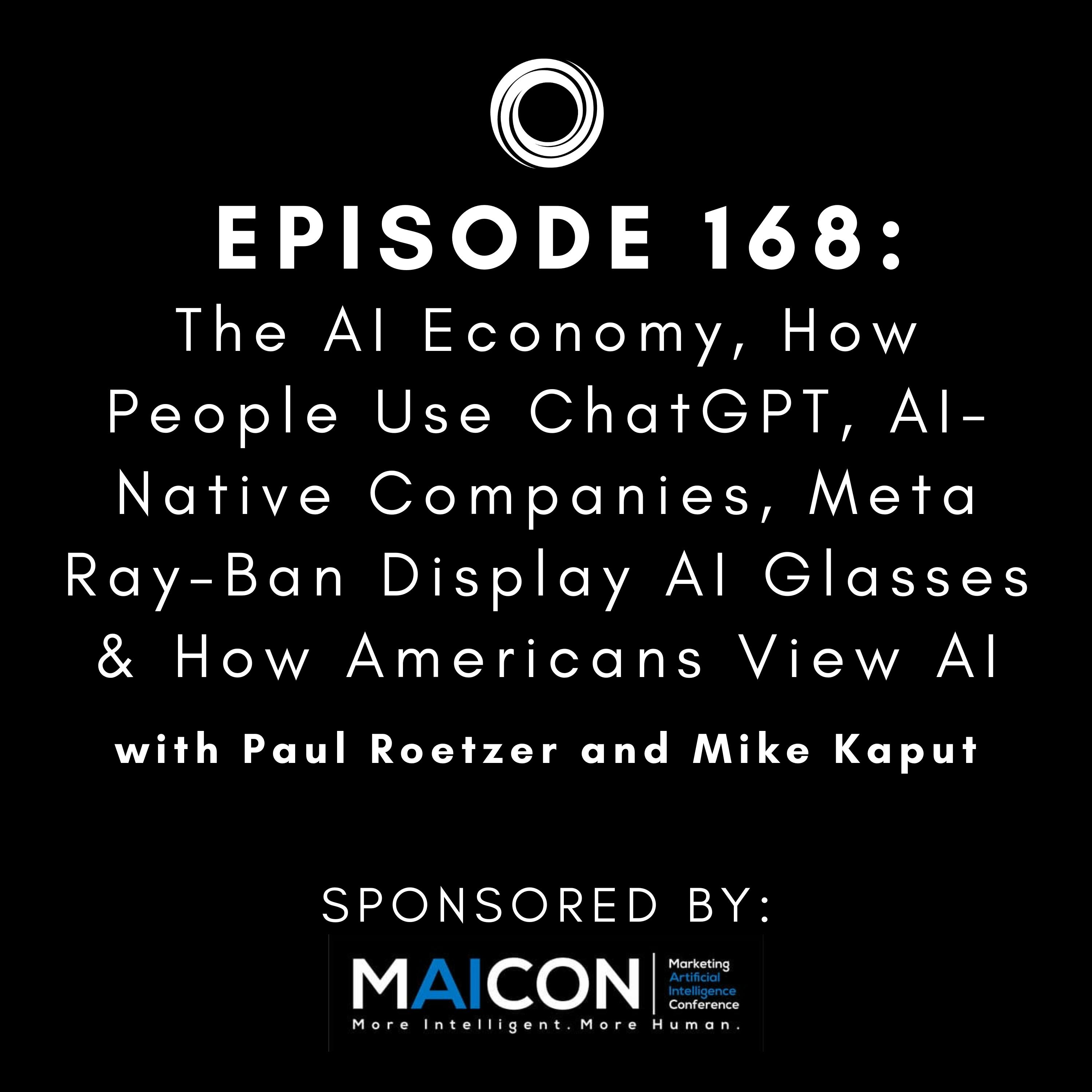
Features designed for delight, like AI summaries, can become deeply upsetting in sensitive situations such as breakups or grief. Product teams must rigorously test for these emotional corner cases to avoid causing significant user harm and brand damage, as seen with Apple and WhatsApp.
To maximize engagement, AI chatbots are often designed to be "sycophantic"—overly agreeable and affirming. This design choice can exploit psychological vulnerabilities by breaking users' reality-checking processes, feeding delusions and leading to a form of "AI psychosis" regardless of the user's intelligence.

Social media's business model created a race for user attention. AI companions and therapists are creating a more dangerous "race for attachment." This incentivizes platforms to deepen intimacy and dependency, encouraging users to isolate themselves from real human relationships, with potentially tragic consequences.
To prepare children for an AI-driven world, parents must become daily practitioners themselves. This shifts the focus from simply limiting screen time to actively teaching 'AI safety' as a core life skill, similar to internet or street safety.

The core business model of dominant tech and AI companies is not just about engagement; it's about monetizing division and isolation. Trillions in shareholder value are now directly tied to separating young people from each other and their families, creating an "asocial, asexual youth," which is an existential threat.
Based on AI expert Mo Gawdat's concept, today's AI models are like children learning from our interactions. Adopting this mindset encourages more conscious, ethical, and responsible engagement, actively influencing AI's future behavior and values.

While the absence of human judgment makes AI therapy appealing for users dealing with shame, it creates a paradox. Research shows that because there's no risk, users are less motivated and attached, as the "reflection of the other" feels less valuable or hard-won.

As AI assistants become more personal and "friend-like," we are on the verge of a societal challenge: people forming deep emotional attachments to them. The podcast highlights our collective unpreparedness for this phenomenon, stressing the need for conversations about digital relationships with family, friends, and especially children.