Get your free personalized podcast brief
We scan new podcasts and send you the top 5 insights daily.
A single AI model is insufficient for running a complex company. An orchestration layer allows you to assign different models (e.g., a powerful frontier model for the CEO, cheaper models for routine tasks) based on their unique "personalities" and cost-effectiveness.

Related Insights
Recognizing there is no single "best" LLM, AlphaSense built a system to test and deploy various models for different tasks. This allows them to optimize for performance and even stylistic preferences, using different models for their buy-side finance clients versus their corporate users.

Don't use your most powerful and expensive AI model for every task. A crucial skill is model triage: using cheaper models for simple, routine tasks like monitoring and scheduling, while saving premium models for complex reasoning, judgment, and creative work.

Instead of relying on a single AI, use different models (e.g., ChatGPT for internal context, Claude for an objective view) for the same problem. This multi-model approach generates diverse perspectives and higher-quality strategic outputs.

Just as developers use various databases for different needs, AI applications will rely on a "constellation" of specialized models. Some tasks will require expensive, high-reasoning models, while others will prioritize low-latency or low-cost models. The market will become heterogeneous, not monolithic.

Enterprises will shift from relying on a single large language model to using orchestration platforms. These platforms will allow them to 'hot swap' various models—including smaller, specialized ones—for different tasks within a single system, optimizing for performance, cost, and use case without being locked into one provider.

Jerry Murdock predicts agents will use an orchestration layer to triage tasks, selecting the best LLM for each job—like expensive Claude for reasoning and cheap open-source models for simple tasks. This shifts value from the models themselves to the agent's intelligent orchestration capabilities.

To optimize costs, users configure powerful models like Claude Opus as the 'brain' to strategize and delegate execution tasks (e.g. coding) to cheaper, specialized models like ChatGPT's Codec, treating them as muscles.
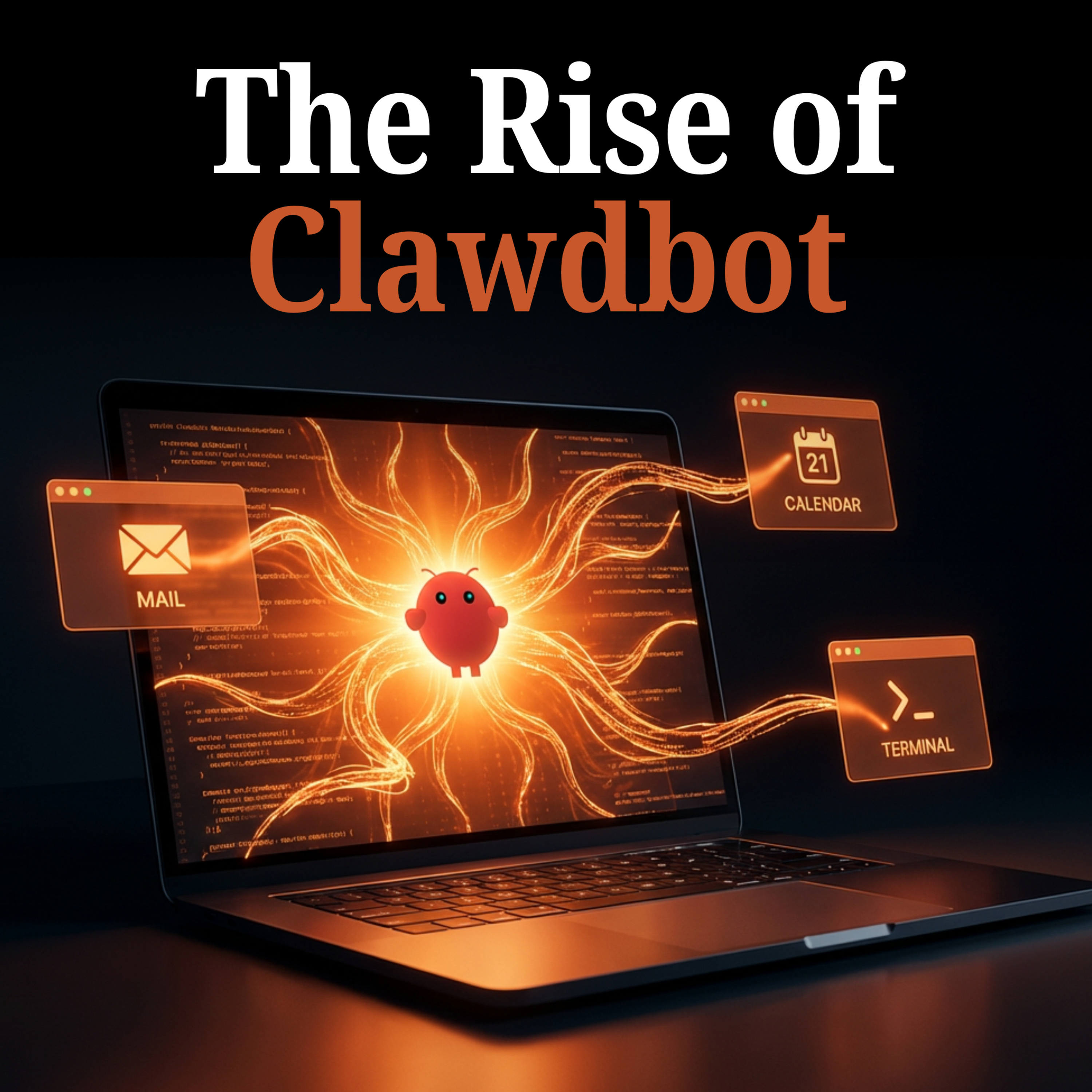
A hybrid approach to AI agent architecture is emerging. Use the most powerful, expensive cloud models like Claude for high-level reasoning and planning (the "CEO"). Then, delegate repetitive, high-volume execution tasks to cheaper, locally-run models (the "line workers").
Building one centralized AI model is a legacy approach that creates a massive single point of failure. The future requires a multi-layered, agentic system where specialized models are continuously orchestrated, providing checks and balances for a more resilient, antifragile ecosystem.
A single AI agent can run multiple "sub-bots" for different tasks. To optimize performance and cost, assign different underlying models to each. Use a powerful model like Claude Opus for complex tasks, and a cheaper model like Sonnet for routine functions.
