Get your free personalized podcast brief
We scan new podcasts and send you the top 5 insights daily.
Shein's acquisition of transparent brand Everlane is a strategic move to absorb its positive image, a practice dubbed 'brandwashing.' This shows how companies with negative reputations can purchase ethical credibility they can't build, especially when the target brand is financially distressed.

Related Insights
The decline of value-driven brands like Everlane (transparency) and Allbirds (sustainability) demonstrates a market reality. Despite stated preferences for ethics, consumers’ purchasing decisions are ultimately driven more by price and convenience than by proclaimed corporate values.
Chinese companies excel at manufacturing but lack the decades-long brand legacy of Western counterparts. By acquiring names like Sony's TV division, they instantly gain consumer trust and heritage, a "buy vs. build" strategy specifically for brand equity.
Unlike awareness, which can be purchased, true authenticity is unattainable for most brands directly. The most effective use of influencers is tapping into their pre-built, genuine communities to gain credibility and trust. This allows a brand to "borrow" the equity of authenticity from creators who have already earned it.

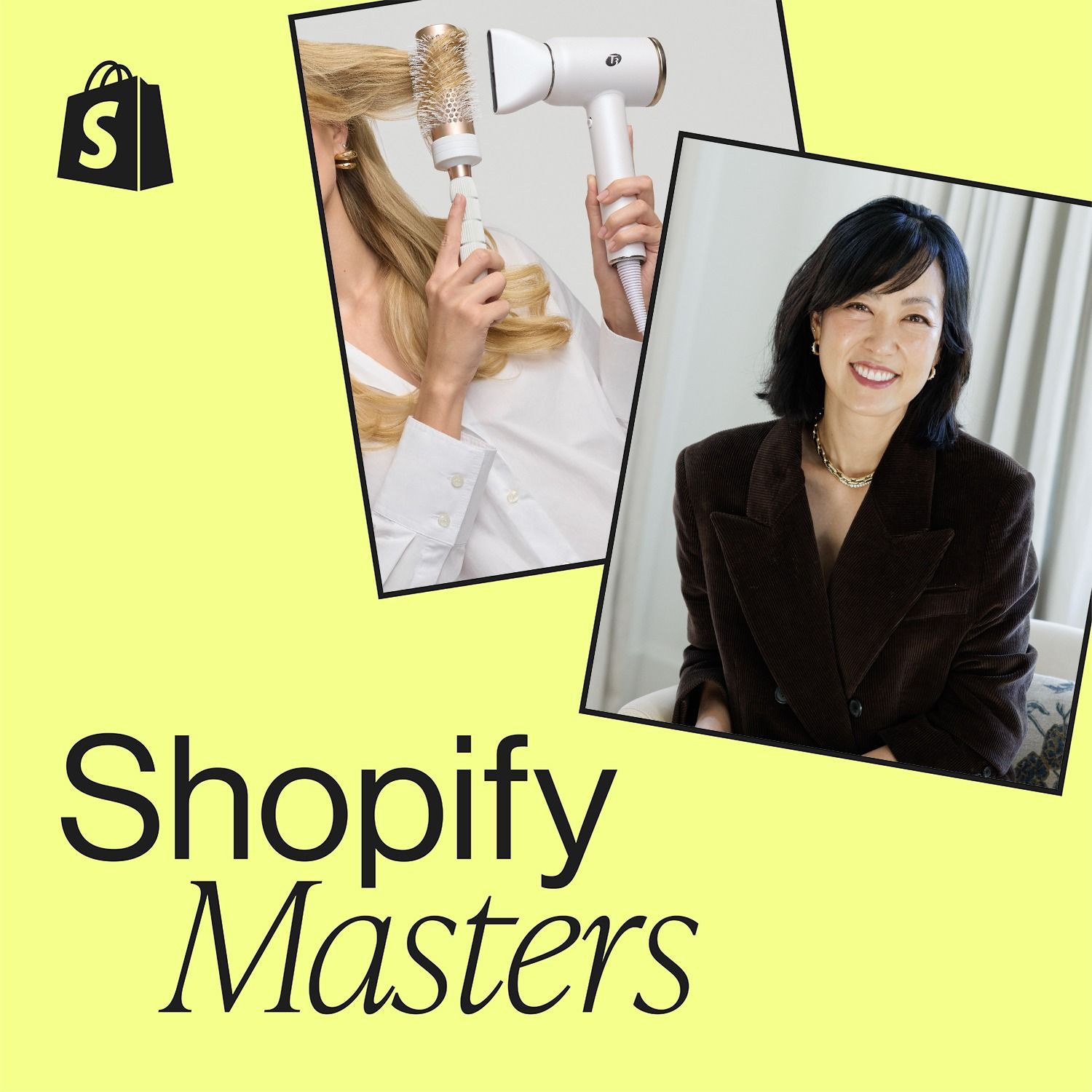
When Sephora first approached T3, their request was to create a Sephora-branded hair dryer. Despite being a young, bootstrapped company, T3 declined the white-label opportunity. They insisted on selling under their own brand name, a crucial decision that allowed them to build long-term brand equity instead of becoming a disposable supplier.
A UK watchdog banned Nike's sustainability-focused ads for making misleading claims, a practice known as "greenwashing." This action highlights a growing global trend of regulatory scrutiny over environmental marketing. Brands must now provide hard evidence for their sustainability claims or face significant legal and reputational consequences.

Meta likely partnered with respected AI art generator Midjourney for its "Vibes" feature to avoid "slop" allegations. However, none of Midjourney's positive brand equity transferred to Meta. The partnership was still perceived as Meta's product, proving that brand goodwill is not automatically passed on, especially without active co-promotion.

Everlane, which raised $145M, sold to Shein for just $100M. The brand was caught between low-end consumers seeking price and high-end consumers seeking status. This "stuck in the middle" position proved unsustainable at a venture-backed scale.

Instead of building brands from scratch, Chinese manufacturing giants are acquiring struggling but historically significant Western companies. This strategy allows them to instantly inherit brand legacy, consumer trust, and market access that would otherwise take decades to develop.

xAI's Grok faces enterprise adoption issues due to controversial branding associated with Elon Musk. By acquiring Cursor, which has a clean, professional image and a reassuring founder, xAI gains a vehicle to penetrate corporate markets that would otherwise be wary of its products, effectively laundering its brand perception.
Corporations exhibit a 'floating brand morality,' pulling support for one controversial figure while ignoring another's transgressions. This isn't about principles; it's a calculated decision based on what they believe is most profitable. Their moral stance shifts to protect the bottom line.