Get your free personalized podcast brief
We scan new podcasts and send you the top 5 insights daily.
xAI's Grok faces enterprise adoption issues due to controversial branding associated with Elon Musk. By acquiring Cursor, which has a clean, professional image and a reassuring founder, xAI gains a vehicle to penetrate corporate markets that would otherwise be wary of its products, effectively laundering its brand perception.

Related Insights
Expect Meta to rename the Manus AI technology before a wide rollout. This would be a strategic move to distance the product from its Chinese roots, thereby sidestepping potential user distrust and the intense regulatory scrutiny faced by companies like TikTok in the US.

Anthropic's refusal to allow the Pentagon to use its AI for autonomous weapons is a strategic branding move. This public stance positions Anthropic as the ethical "good guy" in the AI space, similar to Apple's use of privacy. This creates a powerful differentiator that appeals to risk-averse enterprise customers.

The merger between SpaceX and xAI was likely driven by xAI's high cash burn ($1B/month). By absorbing it, the cash-flow positive SpaceX provides a financial lifeline and makes it easier to raise capital for the AI venture under the umbrella of a stronger, more established brand, boosting the combined entity's IPO prospects.

Initially mocked, the Twitter acquisition now appears as a strategic play. It gave investors exposure to xAI, which is now in merger talks with SpaceX. This move could consolidate Musk's ventures into an AI-centric conglomerate, turning a social media investment into a high-value stake in a space and robotics powerhouse.

SpaceX gives coding AI company Cursor compute and a $10B payout if an acquisition fails, while securing an option to buy a state-of-the-art model. This innovative structure de-risks capital-intensive R&D for the startup and provides the acquirer with a low-cost call option on breakthrough technology.
SpaceX's acquisition of xAI funnels capital from a profitable venture into a high-burn AI company. This "sugar daddy" deal uses the promise of SpaceX's profitable rocket business to fund an expensive AI arms race via a massive upcoming IPO, essentially letting xAI hitch a free ride to the public markets.

OpenAI's acquisition of a podcast network was likely an acqui-hire for its talent in creating positive storytelling, not for its content. This move addresses a key weakness: OpenAI's poor public perception. The goal is to apply the network's "immaculate vibes" playbook to improve the company's overall brand image.
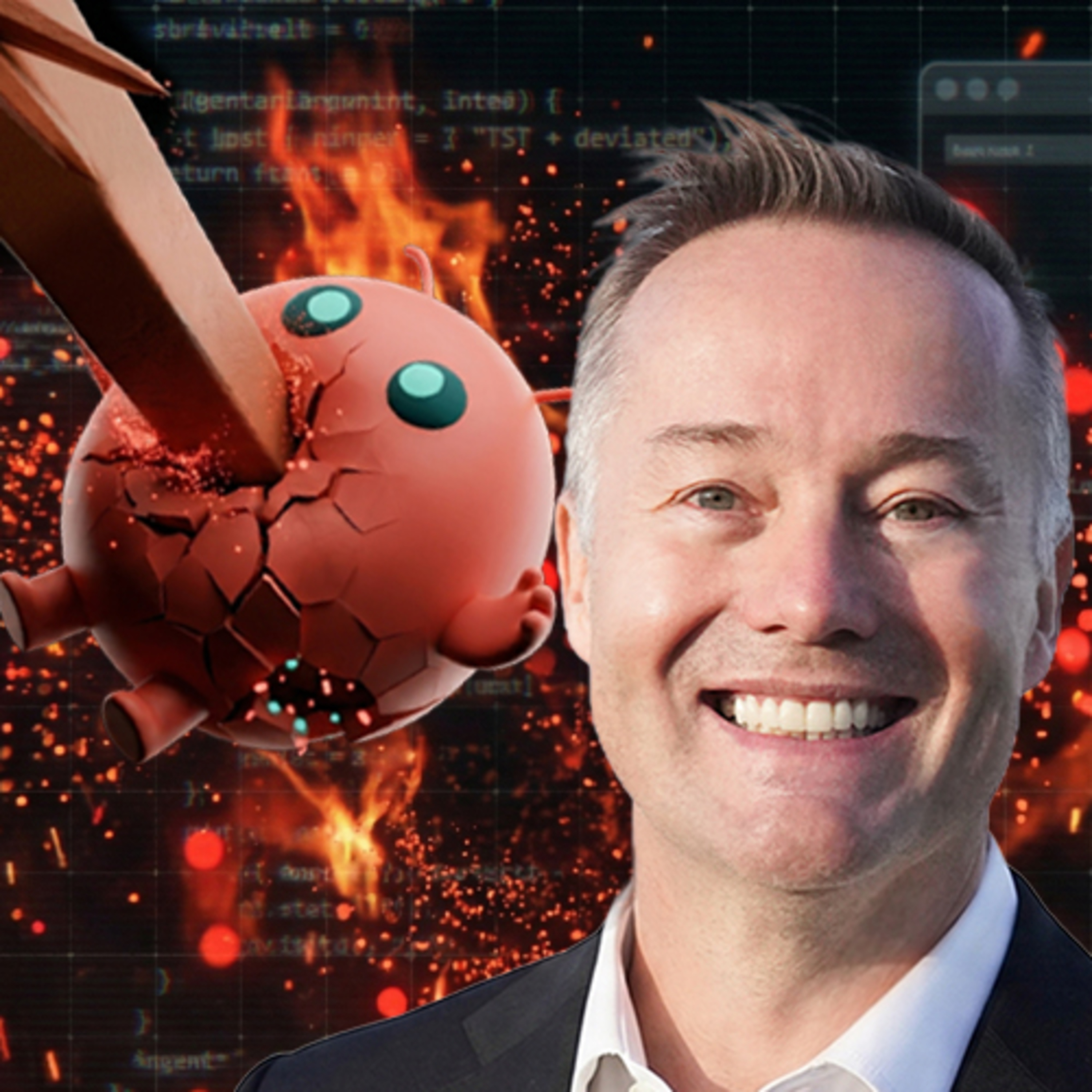
Despite technical capabilities, Grok's association with Elon Musk's controversial brand makes it a risk for large corporations. In contrast, Cursor's founder and brand project a welcoming, Stripe-like aesthetic. This makes them a more reassuring and palatable choice for enterprise buyers like Ford or GE, highlighting that brand perception is critical in B2B AI sales.

The SpaceX/Cursor deal, with its $60B acquisition option, reveals a symbiotic survival strategy. SpaceX has immense, underutilized compute but lacks a killer AI application and revenue. Cursor has a strong product and user base but is resource-constrained. This fusion solves both companies' critical weaknesses, signaling a new M&A driver where compute is traded for product-market fit.
By choosing Elon Musk's Grok for its 'conversational capabilities' despite its ongoing deepfake controversies, Razer demonstrates a willingness to prioritize technical performance over trust and safety, exposing a critical tension in its AI product strategy.
