Get your free personalized podcast brief
We scan new podcasts and send you the top 5 insights daily.
A philanthropist's choice to spend her fortune on public art instead of building a dynasty reflects the spirit of the estate laws Tocqueville admired, which were designed to break up wealth and prevent a hereditary aristocracy.
Related Insights
A new philanthropic model, championed by MacKenzie Scott and Melinda French Gates, involves wiring large sums to non-profits with no prior meetings or demands for public recognition. This 'trust-based' approach contrasts with traditional philanthropy that often requires extensive pitches and caters to donor ego.

Female billionaires exhibit a distinctly different philanthropic style from their male counterparts. Women like Mackenzie Scott and Melinda French Gates tend to disburse their wealth rapidly, directly, and without the fanfare of naming rights or public ceremonies. This contrasts with male philanthropists who often rely on pledges for future giving and seek public recognition.

For Tocqueville, American democracy's essence was not its elections but its "equality of conditions"—a social revolution that shaped norms, spurred voluntary associations, and defined everything from wealth to family dynamics.
Tocqueville warned that if a new, permanent aristocracy were to arise in America, it would come from its industrialists. This foresight is now reflected in the immense wealth and political influence of the modern billionaire class, whose power rivals that of historical aristocrats and challenges democratic equality.
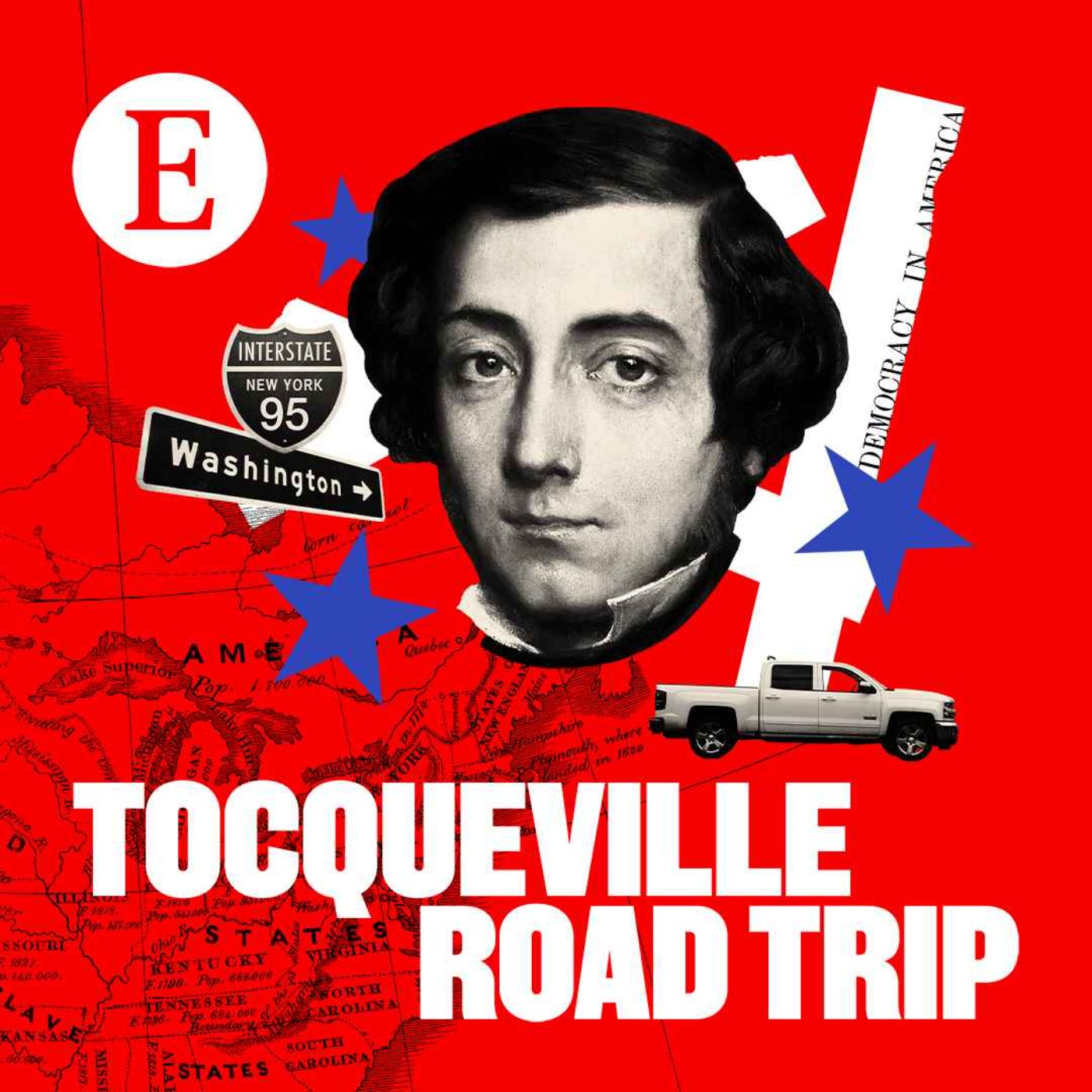
Nearly 200 years ago, Tocqueville warned that if a permanent aristocracy emerged in America, it would come from the industrialist class. This forecast resonates today with the growing political influence of the modern billionaire class.
The focus of billionaire philanthropy has shifted from building physical public works (like libraries) to funding NGOs and initiatives that aim to fundamentally restructure society, politics, and culture according to their ideological visions.

The purpose of high taxes on extreme wealth isn't just revenue. It's a crucial democratic safeguard that prevents individuals from accumulating enough power to "weaponize government," influence elections, and control political outcomes.

David Rubenstein reframes the act of putting his name on donated buildings. He explains it's not primarily for ego but to serve as a visible symbol for others, showing that someone from a poor background can achieve great success and give back to their community and country in a meaningful way.

Tocqueville's concept of "equality of conditions" wasn't about income parity. It was a social norm where wealth was earned and enjoyed, not hoarded to create dynasties. This is illustrated by America's estate laws that broke up fortunes and by philanthropists who aim to spend their money within their lifetime.
Hank Green argues that immense, concentrated wealth sitting in bank accounts is a massive, untapped funding source. He directly calls on the wealthy to become modern-day patrons for creators doing social good, bypassing traditional investment models to directly fund impactful work.
