Get your free personalized podcast brief
We scan new podcasts and send you the top 5 insights daily.
For Tocqueville, American democracy's essence was not its elections but its "equality of conditions"—a social revolution that shaped norms, spurred voluntary associations, and defined everything from wealth to family dynamics.
Related Insights
A philanthropist's choice to spend her fortune on public art instead of building a dynasty reflects the spirit of the estate laws Tocqueville admired, which were designed to break up wealth and prevent a hereditary aristocracy.
Tocqueville's key insight was that America is more than a country; it's a powerful, exportable "idea" or belief system. This "American Dream" concept has been more influential globally than the nation's physical presence.
Modern anxieties about a president's despotic tendencies, often associated with Donald Trump, are not new. Tocqueville himself observed similar concerns about Andrew Jackson in 1831, noting Jackson's inclination "to become a despot." This historical parallel suggests a recurring tension within American democracy regarding executive power.
According to Ken Burns, democracy was not the revolution's intention but its consequence. Initially an "elitist program," the leaders realized they needed to enlist the masses to win. This forced them to extend the language of liberty to everyone, which, once spoken, could not be taken back and ultimately applied to all.

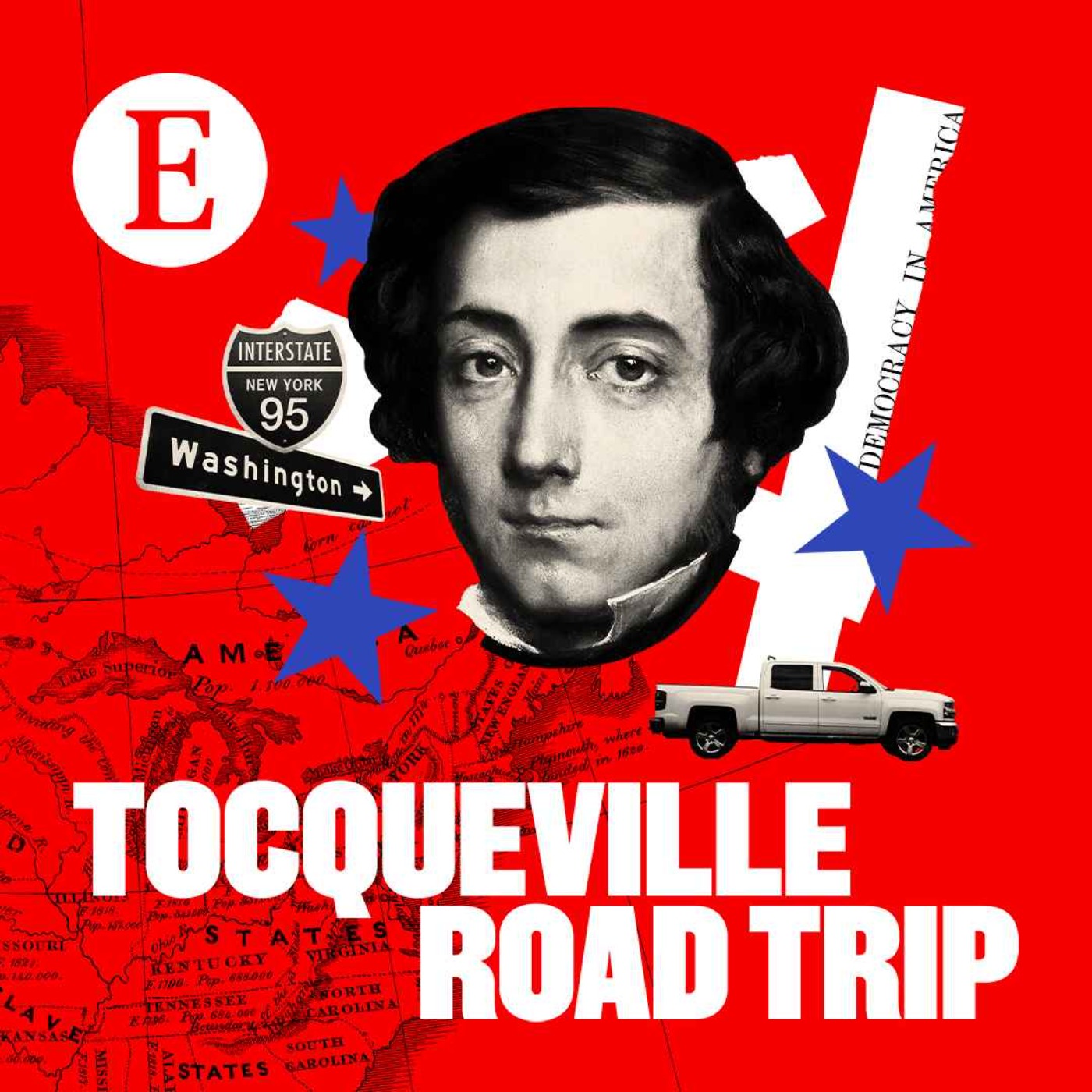
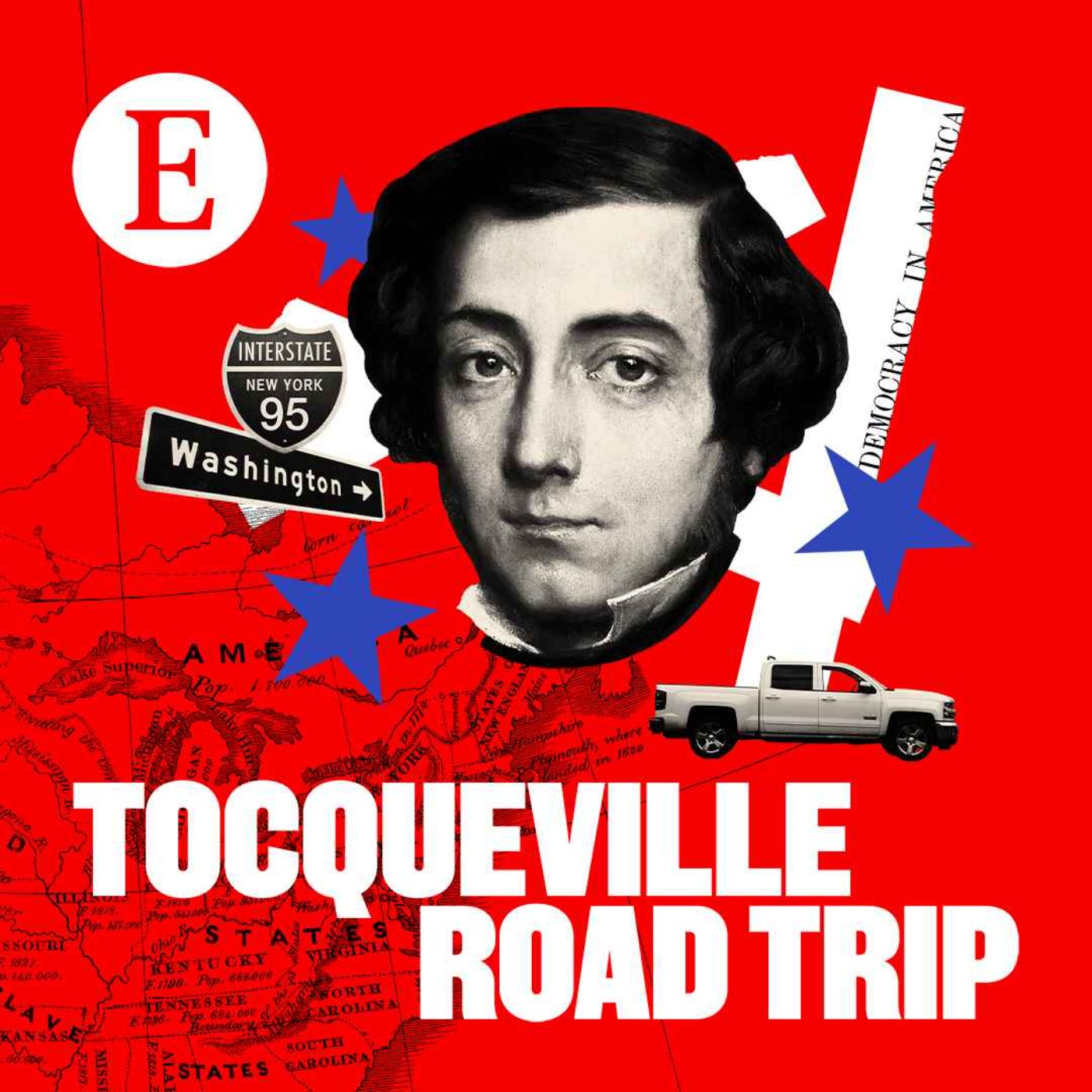
A journalist for The Economist uses Alexis de Tocqueville's 1831 book as his primary guide for a road trip to understand contemporary American society, demonstrating the work's profound and lasting relevance for political analysis.
Tocqueville warned that if a new, permanent aristocracy were to arise in America, it would come from its industrialists. This foresight is now reflected in the immense wealth and political influence of the modern billionaire class, whose power rivals that of historical aristocrats and challenges democratic equality.
Nearly 200 years ago, Tocqueville warned that if a permanent aristocracy emerged in America, it would come from the industrialist class. This forecast resonates today with the growing political influence of the modern billionaire class.
Tocqueville's key insight was that America's power lies in being a globally influential "idea"—the American Dream—rather than just a nation-state. This outsider's view explains why a foreigner can analyze the country's core principles and why its cultural and political identity has such a potent, almost religious, quality worldwide.
Tocqueville's concept of "equality of conditions" wasn't about income parity. It was a social norm where wealth was earned and enjoyed, not hoarded to create dynasties. This is illustrated by America's estate laws that broke up fortunes and by philanthropists who aim to spend their money within their lifetime.
The universal human tendency to compare fortunes and cry 'it's not fair' is more than a childish impulse; it is a psychological pillar of democracy. Unlike chimpanzee societies dominated by alpha males, human societies use the power of the collective to prevent individuals from becoming too powerful, creating more egalitarian structures.
