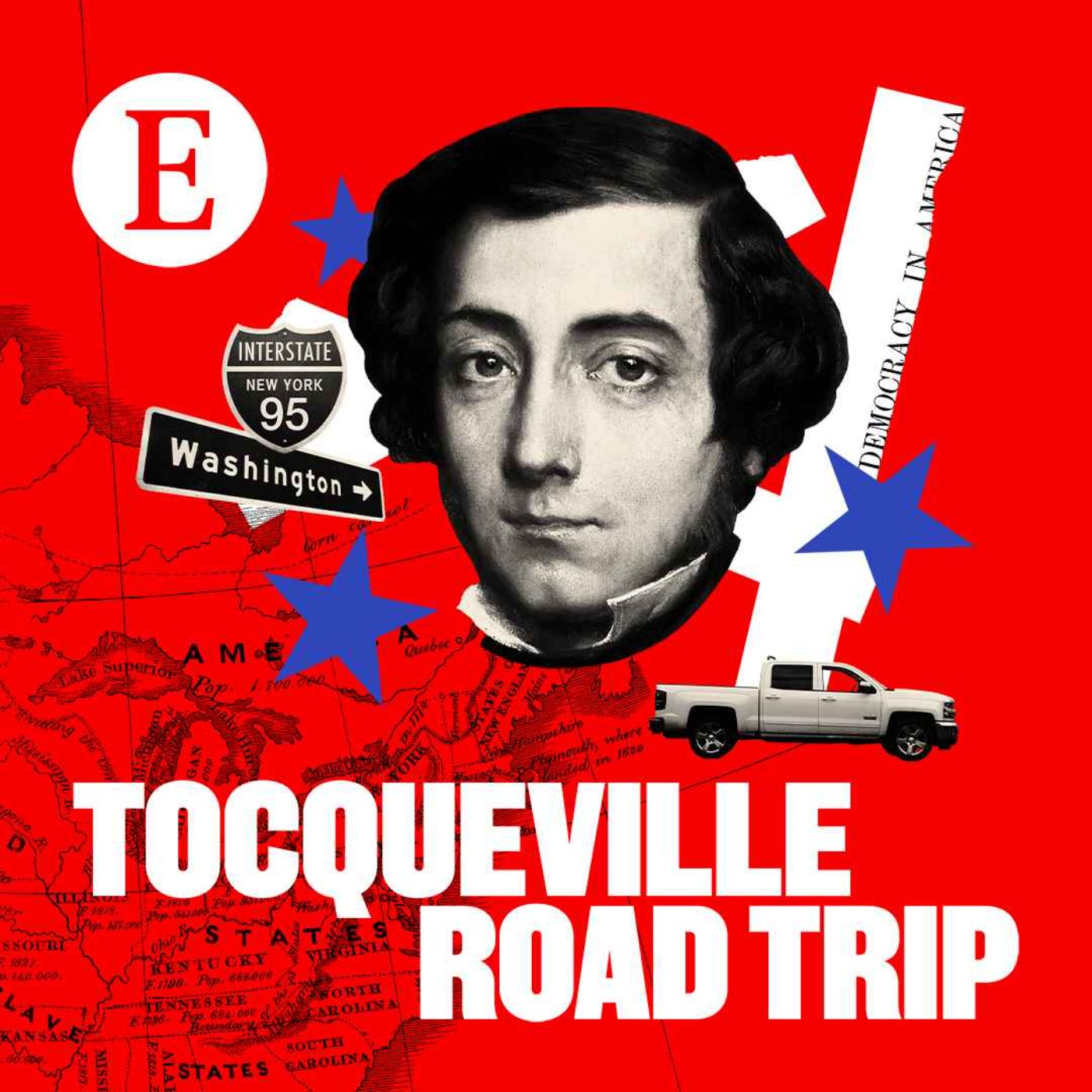
Modern anxieties about a president's despotic tendencies, often associated with Donald Trump, are not new. Tocqueville himself observed similar concerns about Andrew Jackson in 1831, noting Jackson's inclination "to become a despot." This historical parallel suggests a recurring tension within American democracy regarding executive power.
Tocqueville's concept of "equality of conditions" wasn't about income parity. It was a social norm where wealth was earned and enjoyed, not hoarded to create dynasties. This is illustrated by America's estate laws that broke up fortunes and by philanthropists who aim to spend their money within their lifetime.
Tocqueville warned that if a new, permanent aristocracy were to arise in America, it would come from its industrialists. This foresight is now reflected in the immense wealth and political influence of the modern billionaire class, whose power rivals that of historical aristocrats and challenges democratic equality.
Despite objective improvements in equity, life expectancy, and economic growth, a majority of Americans feel their country is failing and prefer to live in the past. This suggests the current crisis is rooted in a loss of shared national narrative and faith, rather than a decline in material conditions.
Tocqueville's key insight was that America's power lies in being a globally influential "idea"—the American Dream—rather than just a nation-state. This outsider's view explains why a foreigner can analyze the country's core principles and why its cultural and political identity has such a potent, almost religious, quality worldwide.
Figures like John Katsmatidis, an immigrant who achieved immense success, embody the "American Dream." Yet, they can become conduits for misinformation that fuels anti-immigrant sentiment, creating a paradox where beneficiaries of an open system advocate for ideas that could close it off to others.
The same radio station, WABC, that once broadcast the unifying, justice-oriented creed of "The Lone Ranger" now features MAGA loyalists railing against migrants. This evolution symbolizes a broader shift in American media from fostering a shared national identity to catering to and amplifying partisan anxieties and a sense of impending doom.