Get your free personalized podcast brief
We scan new podcasts and send you the top 5 insights daily.
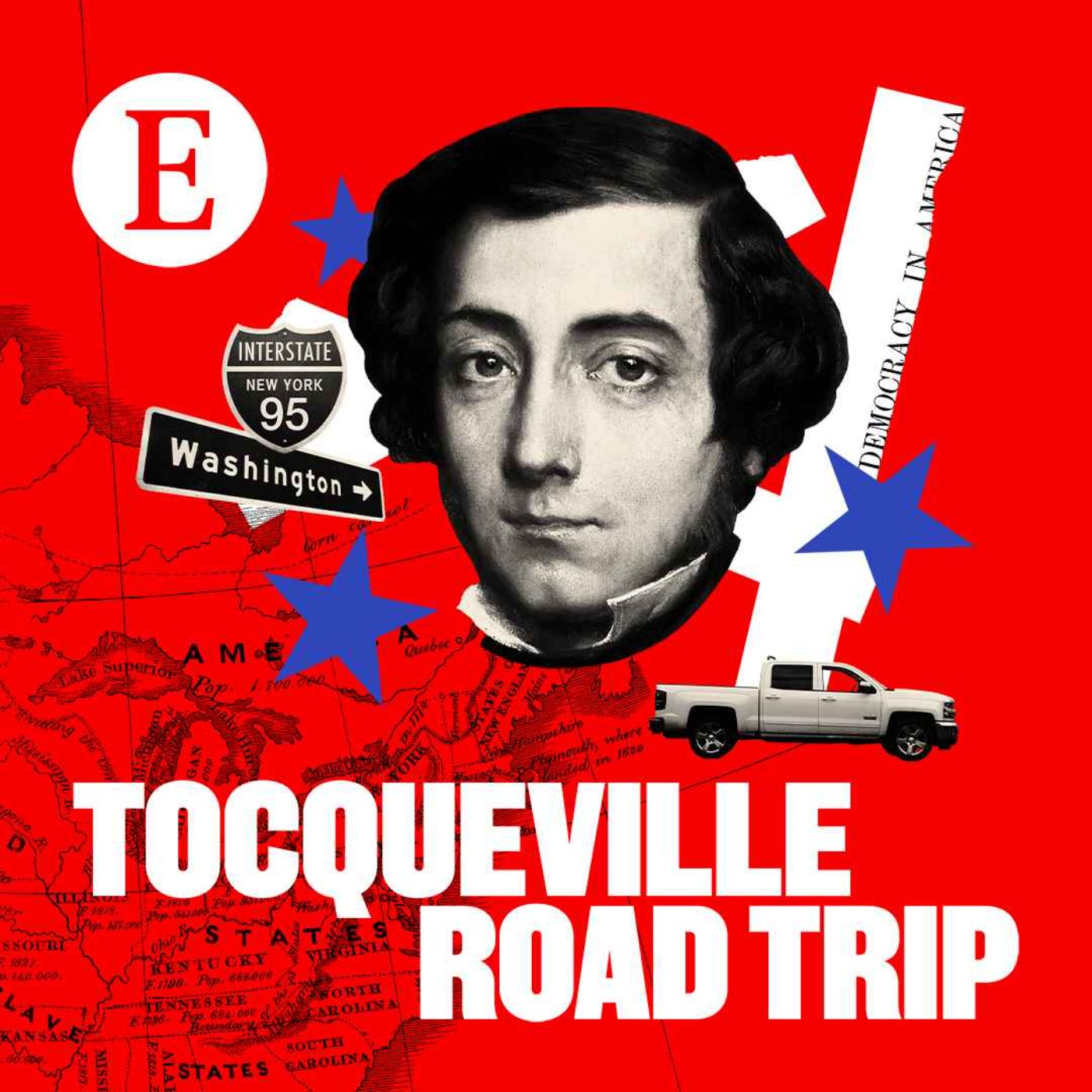
Tocqueville's concept of "equality of conditions" wasn't about income parity. It was a social norm where wealth was earned and enjoyed, not hoarded to create dynasties. This is illustrated by America's estate laws that broke up fortunes and by philanthropists who aim to spend their money within their lifetime.
Related Insights
A successful economy must be judged on two separate mandates: its ability to generate wealth (GDP growth) and its ability to distribute that wealth according to societal values. The U.S. excels at the first but struggles with the second, framing inequality as a failure of the political system, not the financial one.

The historical definition of wealth focused on happiness and well-being. This perspective challenges the modern obsession with monetary success, suggesting true wealth is a holistic state, not just an accumulation of assets, and that chasing only money leads to a lack of fulfillment.

While modern society offers a quality of life far superior to past billionaires like Rockefeller, this fact is irrelevant to social stability. Humans are psychologically wired to be driven mad by vast inequality, making relative wealth gaps a more potent source of unrest than absolute living standards.

The Vanderbilts lost their fortune not just from overspending, but from an inherited "social debt"—the crushing expectation to display their status. This hidden liability controlled their lives, proving that wealth without autonomy can lead to misery and financial ruin.

Massive wealth imposes a hidden 'social debt'—a crushing weight of expectations that dictates how heirs must live, who they can marry, and what values they must hold. As the Vanderbilt family story shows, this can destroy independence and happiness, effectively making heirs prisoners of their fortune.

Inheritance is not a universal experience. A Morgan Stanley survey reveals a stark divide: 43% of high-income households receive or expect an inheritance, compared to only 17% of lower-income ones. This highlights how intergenerational wealth transfers perpetuate existing financial disparities.

Tocqueville warned that if a new, permanent aristocracy were to arise in America, it would come from its industrialists. This foresight is now reflected in the immense wealth and political influence of the modern billionaire class, whose power rivals that of historical aristocrats and challenges democratic equality.
The current economic system is no longer capitalism, where work leads to wealth accumulation. It is an "inheritocracy." Because work income is heavily taxed while hoarded wealth is not, a young person's economic outcome is now almost entirely determined by the inheritance they receive, rendering hard work insufficient for most people.

Societal conflicts over economics often stem from two competing, innate definitions of fairness. One is proportional fairness, where you get out what you put in. The other is equal outcome fairness, where everyone gets an equal slice. These two morally resonant but contradictory ideas are at the root of the capitalism vs. socialism debate.

Families often default to equal inheritance, but this can be unfair. When one child actively manages the family enterprise, an equitable split that rewards their contribution is more effective for motivation and long-term success than a strictly equal one.