Get your free personalized podcast brief
We scan new podcasts and send you the top 5 insights daily.
Fiona Hill distinguishes between a stalemate, where neither side *can* move, and a deadlock, where they *refuse* to move. This framing suggests the Ukraine war isn't permanently frozen. A sudden concession, likely forced by external pressure on Putin from powers like China, could break the impasse unexpectedly.

Related Insights
Russia perceives itself as having momentum and believes its military position will strengthen in the coming months. This confidence removes any urgency to negotiate or make significant concessions, making it the most significant impediment to ending the conflict.

Contrary to popular hope, a scenario where Ukraine fully expels Russia and regains all territory is a 'total fantasy.' Based on historical precedent, the war has only two realistic outcomes: a Ukrainian collapse under sustained pressure or a compromise peace that grants Russia de facto control of some territory.

Despite the war being partly triggered by Ukraine's westward drift, Russia has accepted its EU path since early 2022. This is an underappreciated concession reflecting the reality that Russia has lost the contest for political and economic influence over government-controlled Ukraine.
The most significant challenge to a lasting peace is not agreeing on territorial lines but on the implementation sequence. Debates over whether a ceasefire, troop withdrawal, security guarantees, or referendums should come first create complex logistical and trust issues that could easily cause a deal to collapse.
According to Fiona Hill, senior Chinese officials have told Western scholars, 'if we wanted Russia to win, it would have done.' This suggests China is deliberately managing the conflict to its advantage and holds the ultimate key to forcing a resolution, solidifying its leverage over a dependent Russia.
Ukraine's most realistic theory of success is not reclaiming all territory militarily, but leveraging its advantages to stabilize the front and inflict unsustainable casualties and economic costs on Russia. This strategy aims to make the war so futile for Moscow that it forces a favorable negotiated settlement.
Beneath the official government narrative of resilience and total victory, a significant portion (40%) of the Ukrainian population is tired of the war and now open to a compromise to end the fighting, revealing significant war fatigue.
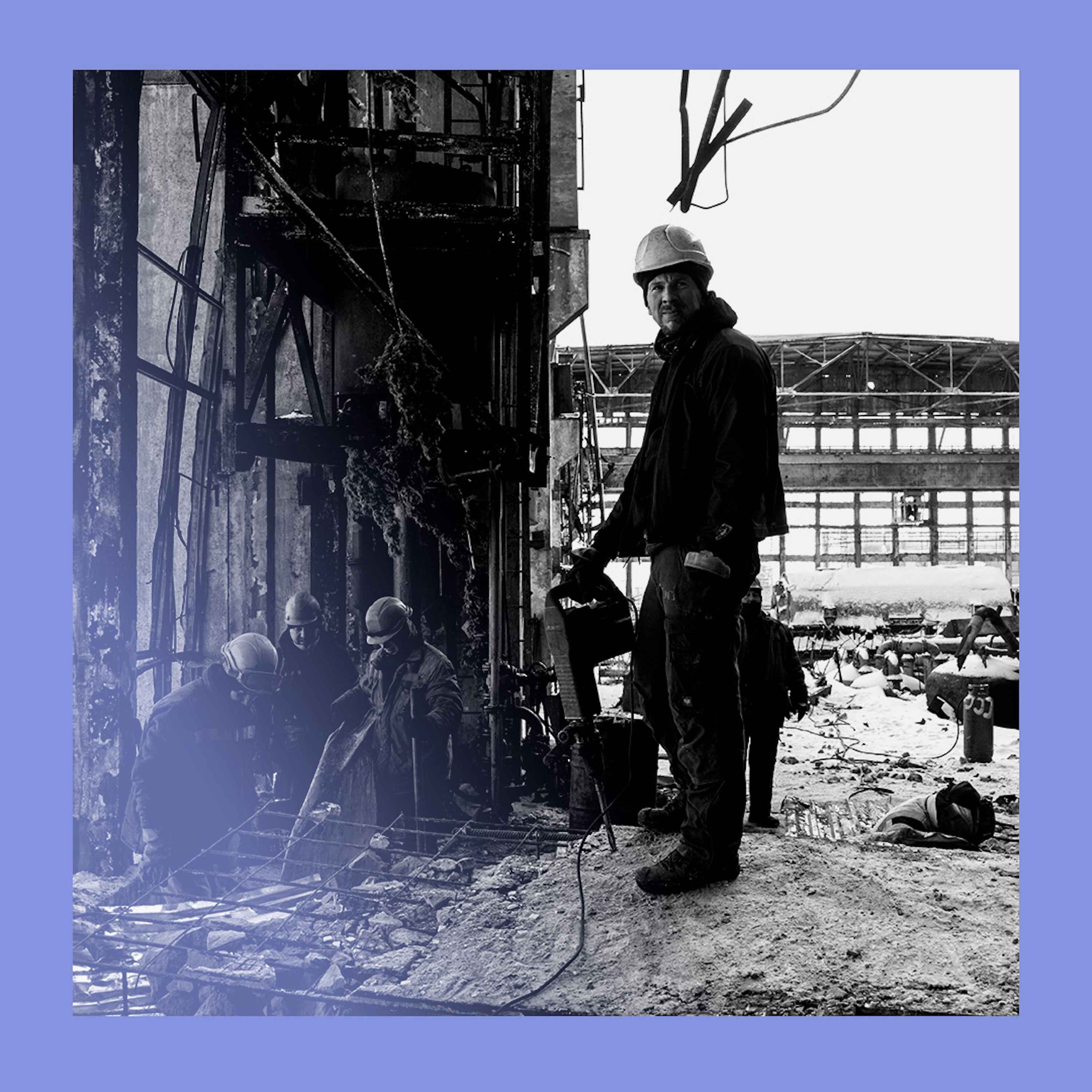
The idea that Ukraine must accept a peace deal because the war is "unwinnable" is a flawed narrative that mirrors Russian propaganda. This perspective overlooks Russia's massive daily casualties and straining wartime economy. The war is unsustainable, but arguably more so for Russia than for Ukraine.

With the goal of retaking all territory now unrealistic, Ukraine's military command has adopted a new strategy: inflict such high monthly casualties on Russian forces (40-50k) that Putin cannot sustain recruitment levels, ultimately forcing him to seek a ceasefire due to domestic pressure.

A hastily constructed peace deal that stalls during implementation would create a 'neither war nor peace' scenario. This state of limbo would benefit Russia in the near term, as Ukraine would face pressure to demobilize and struggle with investment uncertainty, while Russia could maintain its military posture.