Get your free personalized podcast brief
We scan new podcasts and send you the top 5 insights daily.
The new US-Iran framework is a unilateral deal, unlike the previous JCPOA which involved Europe, China, and Russia. This structural weakness makes the agreement less consequential for Iran to break, as they would only antagonize the U.S. rather than a global coalition, ultimately leaving Iran in a stronger geopolitical position.

Related Insights
Despite being the weaker military party, Iran's ability to inflict persistent pain on regional shipping and U.S. allies gives it leverage. To secure a ceasefire, the U.S. may have to offer incentives like sanctions relief, allowing Iran to turn military weakness into diplomatic strength.

The central debate within Iran regarding a deal with the U.S. is not ideological but pragmatic: whether the U.S. can be trusted to deliver on its promises. The current ceasefire serves as a critical test of American credibility, which will determine if negotiations on larger issues are even possible.
The US-Iran framework deal was primarily motivated by the need to reopen the critical Strait of Hormuz for oil transport. This narrow economic aim took precedence over allies' broader security concerns, such as dismantling Iran's missile program, revealing a divergence in strategic priorities between the US and Israel.
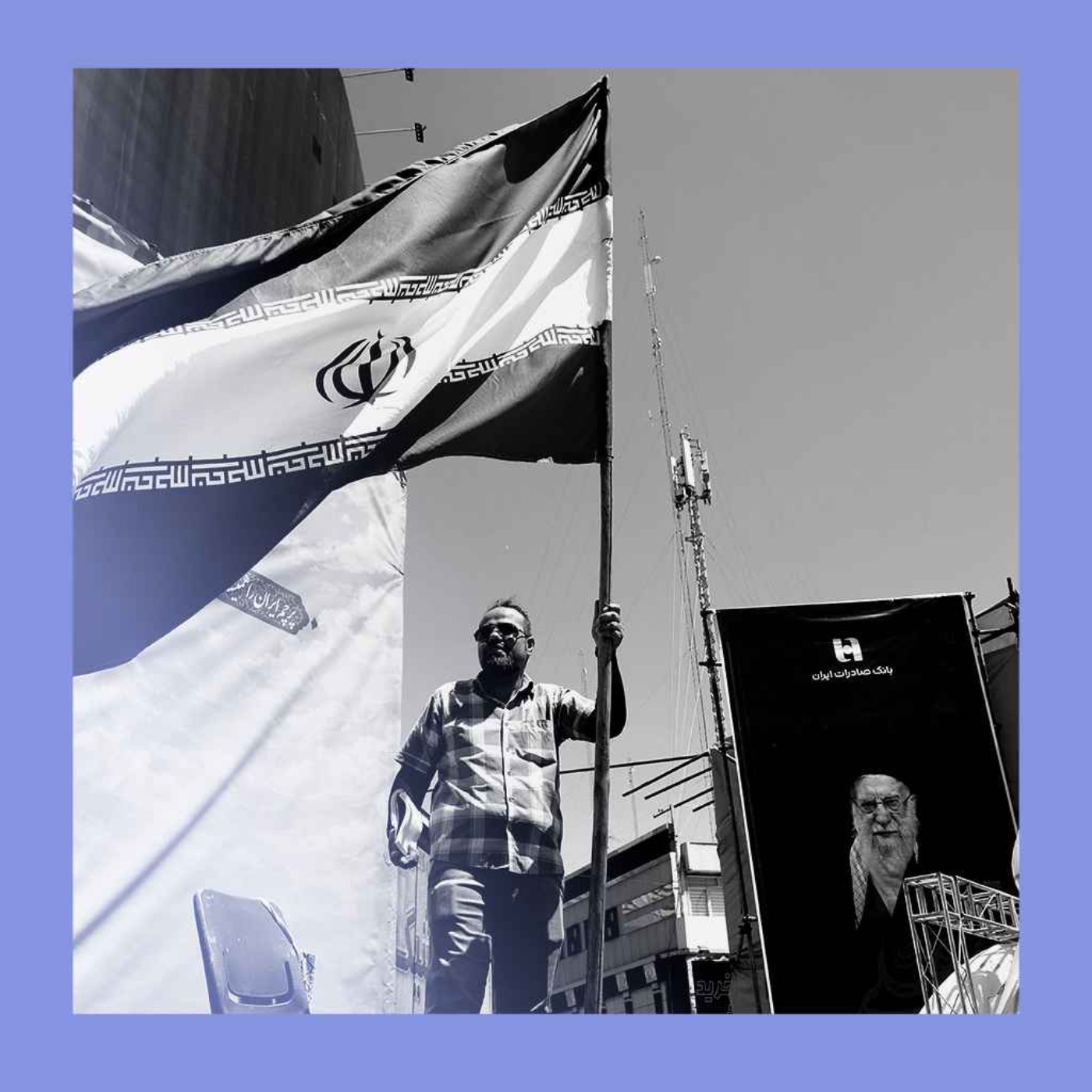
The US-Iran agreement is a "deal to do more deal making," deferring critical issues like the nuclear program and long-term sanctions. This approach secures short-term stability but fails to resolve underlying conflicts, creating a high probability that the crisis will re-ignite once the interim negotiation period ends.
The public threats of a military strike against Iran may be a high-stakes negotiating tactic, consistent with Trump's style of creating chaos before seeking a deal. The goal is likely not war, which would be politically damaging, but to force Iran into economic concessions or a new agreement on US terms.

A viable nuclear deal with Iran exists, structurally similar to the JCPOA. The primary barrier is not substance, but a clash of styles. Trump needs to publicly "win" and show he made Iran concede, while Iran's leadership culture cannot accept any deal that smacks of public surrender.
While US strikes weaken Iran's military, Trump's simultaneous focus on keeping oil markets stable allows Iran to sell its oil at a premium. This creates a contradictory outcome where Iran's economic leverage and funding for future aggression increase, even as its military is degraded.

Iran benefits from dragging out negotiations until the US midterms. The US administration's need for a quick economic and political win puts them in a weaker position, forcing concessions like upfront sanctions relief.

The Trump administration's stated goals for a new deal, including a commitment from Iran not to develop nuclear weapons and allowing inspections, are identical to the provisions of the JCPOA. This makes the current conflict an absurdly ironic path to potentially achieving a slightly different version of the agreement Trump dismantled.
The US withholding details of the Iran MOU creates suspicion. It suggests the terms are either unfavorable to the US or not yet finalized, allowing Iran to dominate the public narrative and appear stronger.