Get your free personalized podcast brief
We scan new podcasts and send you the top 5 insights daily.
Data scientist Jeff Lee secured his role at Netflix after previous rejections by cultivating a rare combination of skills. His expertise in both advertising systems and forecasting made him the ideal candidate when Netflix needed to build its new ad business, a problem requiring that specific intersection of knowledge.

Related Insights
Greg Jackson, founder of Octopus Energy, seeks "T-shaped" employees. This model values individuals who possess deep expertise in one specific area (the T's vertical bar) while also having the broad, adjacent knowledge to collaborate across functions (the horizontal bar).

The speaker credits his career success to being a well-rounded "product hybrid" with skills in data, software, product, and design. He argues this versatility, allowing him to move from debugging firmware to debating product strategy, is more valuable than deep specialization, quoting "specialization is for insects."
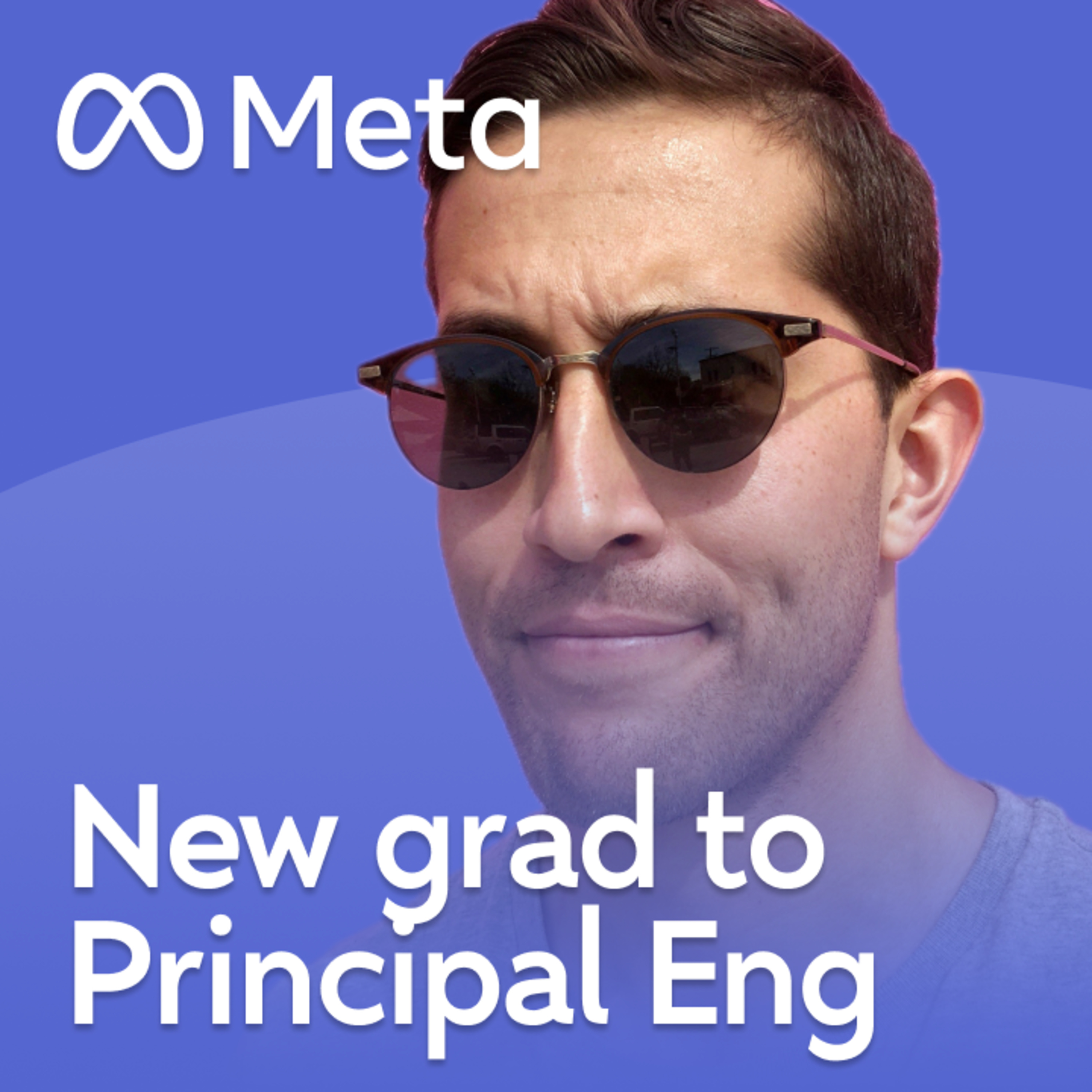
Netflix's ad business will evolve beyond replicating traditional TV ads. The plan is to create ad experiences that tell a cohesive story across a binge-watching session, recognizing and adapting to user behavior for greater impact and differentiation from linear TV.

Instead of focusing solely on a candidate's current skills, Figma's CEO looks for their 'slope,' or their trajectory of rapid learning and improvement. This is assessed by analyzing their history of decision-making and growth mindset, betting on their future potential rather than just their present abilities.
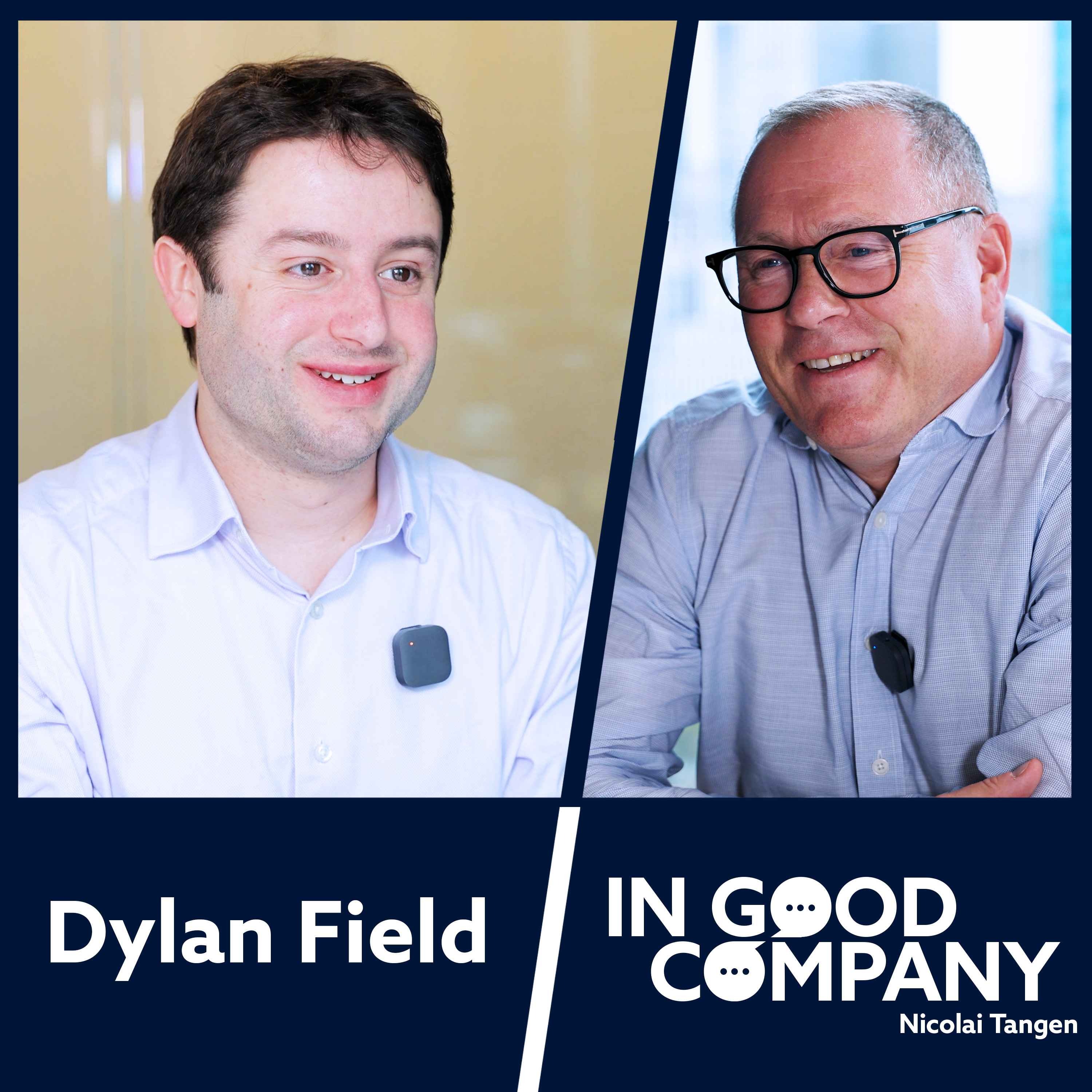
To make a hire "weird if they didn't work," don't hire for potential or vibe. Instead, find candidates who have already succeeded in a nearly identical role—selling a similar product to a similar audience at a similar company stage. This drastically reduces performance variables.

Instead of an extremely difficult hiring process, Netflix casts a wide net and uses the first year to assess fit, resulting in a high (~20%) attrition rate. The company is transparent about this, offering the chance to work on hard problems with great people in exchange for less job security.
![Reed Hastings - Building Netflix - [Invest Like the Best, EP.453] thumbnail](https://megaphone.imgix.net/podcasts/2f1ecac4-e4ba-11f0-a8e8-777eb8de0c5a/image/28fb3c25b09448a35f17657a5e614900.jpg?ixlib=rails-4.3.1&max-w=3000&max-h=3000&fit=crop&auto=format,compress)
Sophisticated data analysis isn't exclusive to large enterprises. The speaker's company replicated the work of the Wall Street Journal's large analytics team on a targeted project using just one intern. This demonstrates how smaller firms can gain a competitive edge with smart, focused hires.

To find a Chief Scientific Officer with a rare combination of skills, EARLI's CEO used LinkedIn search. He combined terms like "gene therapy," "venture," and "FDA experience" to narrow the global candidate pool to about 25 people, proving precise digital sourcing can outperform traditional networking for highly specialized roles.

At the start of a tech cycle, the few people with deep, practical experience often don't fit traditional molds (e.g., top CS degrees). Companies must look beyond standard credentials to find this scarce talent, much like early mobile experts who weren't always "cracked" competitive coders.
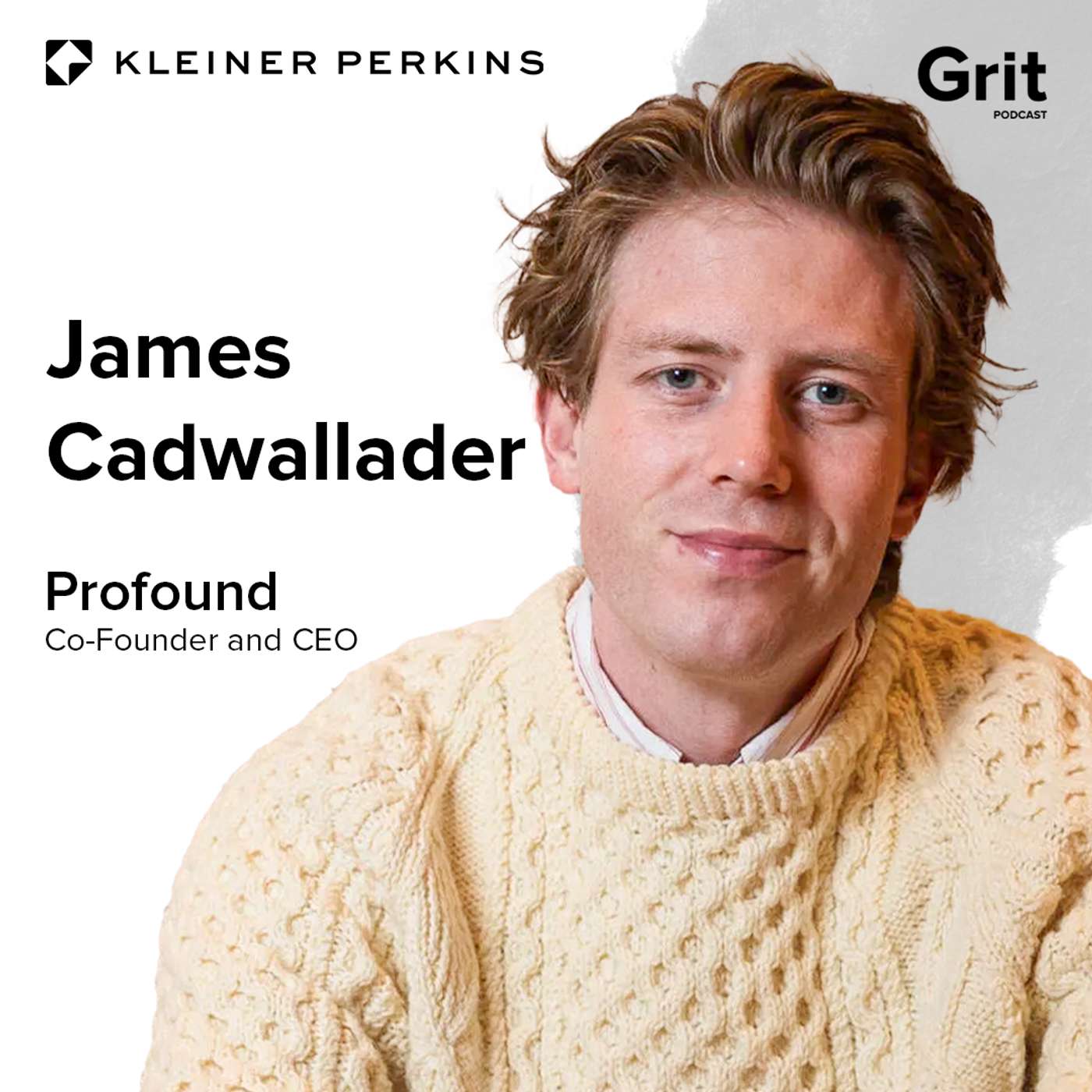
For cutting-edge AI problems, innate curiosity and learning speed ("velocity") are more important than existing domain knowledge. Echoing Karpathy, a candidate with a track record of diving deep into complex topics, regardless of field, will outperform a skilled but less-driven specialist.
