Get your free personalized podcast brief
We scan new podcasts and send you the top 5 insights daily.
The speaker credits his career success to being a well-rounded "product hybrid" with skills in data, software, product, and design. He argues this versatility, allowing him to move from debugging firmware to debating product strategy, is more valuable than deep specialization, quoting "specialization is for insects."

Related Insights
Lovable is moving away from the specialist, cross-functional squad model popularized by companies like Spotify, believing it creates decision-making bottlenecks. Instead, they hire "high slope" generalists with broad skills and good judgment who can own projects from start to finish, using AI to fill gaps.
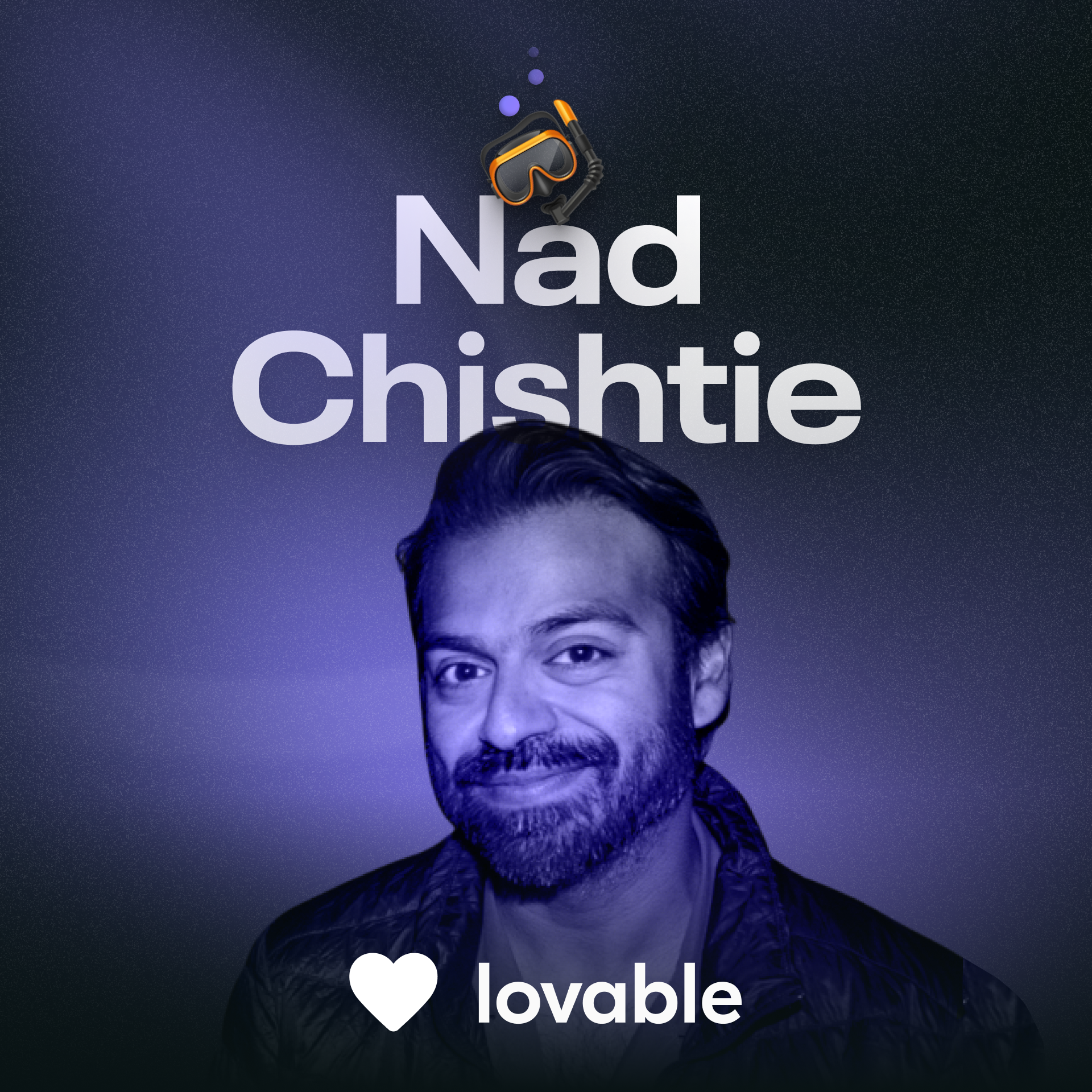
Instead of striving to be the best in a single domain, find a unique intersection of skills you're good at. Being able to negotiate across both design and engineering, for example, creates a niche where you are the "only" person with that combination, making you more valuable than being just another "good" specialist.

Dylan Field predicts that AI tools will blur the lines between design, engineering, and product management. Instead of siloed functions, teams will consist of 'product builders' who can contribute across domains but maintain a deep craft in one area. Design becomes even more critical in this new world.

The traditional tech team structure of separate product, engineering, and design roles is becoming obsolete. AI startups favor small teams of 'polymaths'—T-shaped builders who can contribute across disciplines. This shift values broad, hands-on capability over deep specialization for most early-stage roles.
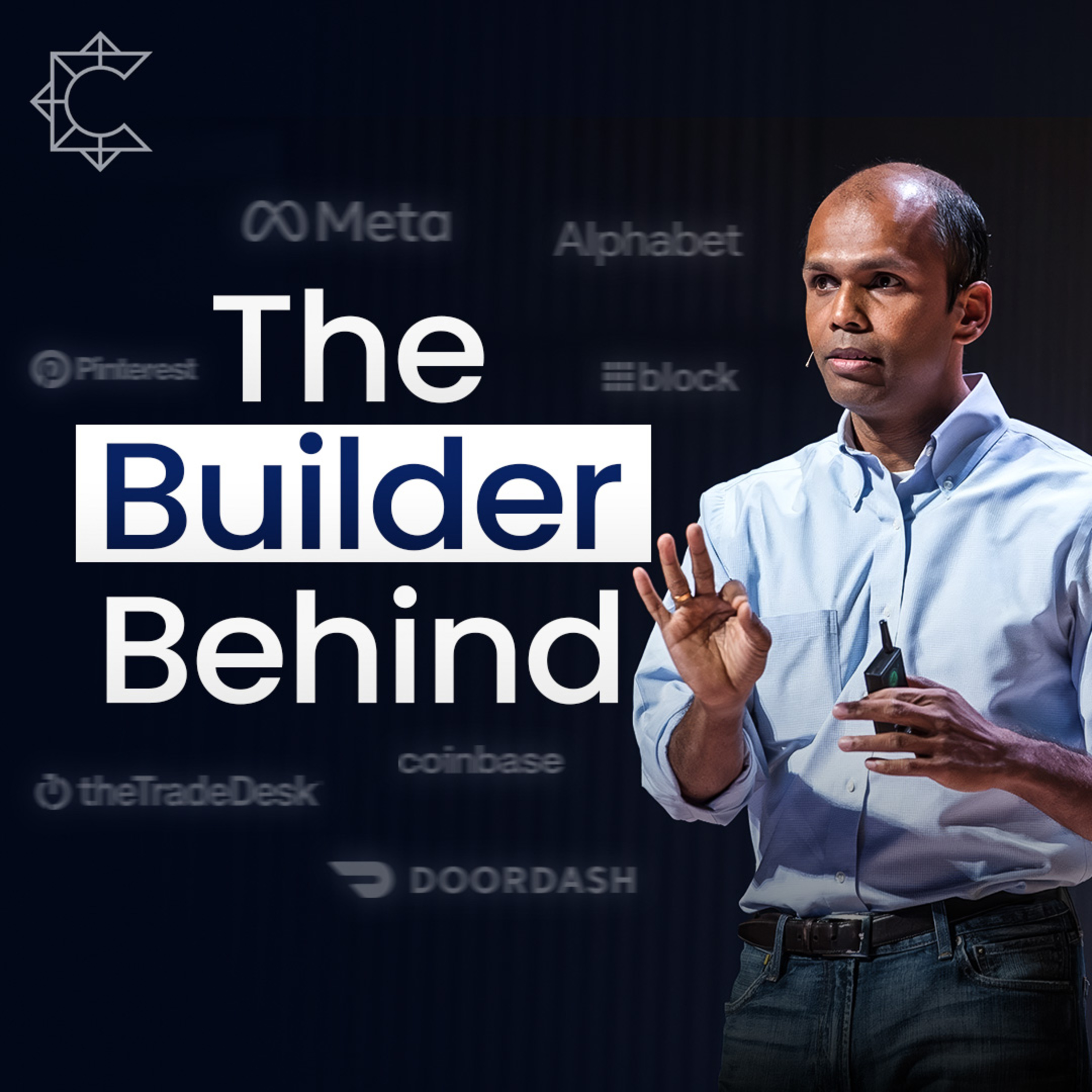
Instead of aiming to be the best in one narrow field, build a more antifragile career by becoming 80% competent in several different domains (e.g., design, sales, engineering). The unique intersection of these skills makes you the "only" person who can solve certain complex problems, creating durable value.

In a fast-moving environment, rigid job descriptions are a hindrance. Instead of hiring for a specific role, recruit versatile "athletes" with high general aptitude. A single great person can fluidly move between delivery, sales, and product leadership, making them far more valuable than a specialist.

The creator of Claude Code prioritizes hiring generalists who possess skills beyond coding, such as product sense and a desire to talk to users. This 'full-stack' approach, where even PMs and data scientists code, fosters a more effective and versatile team.
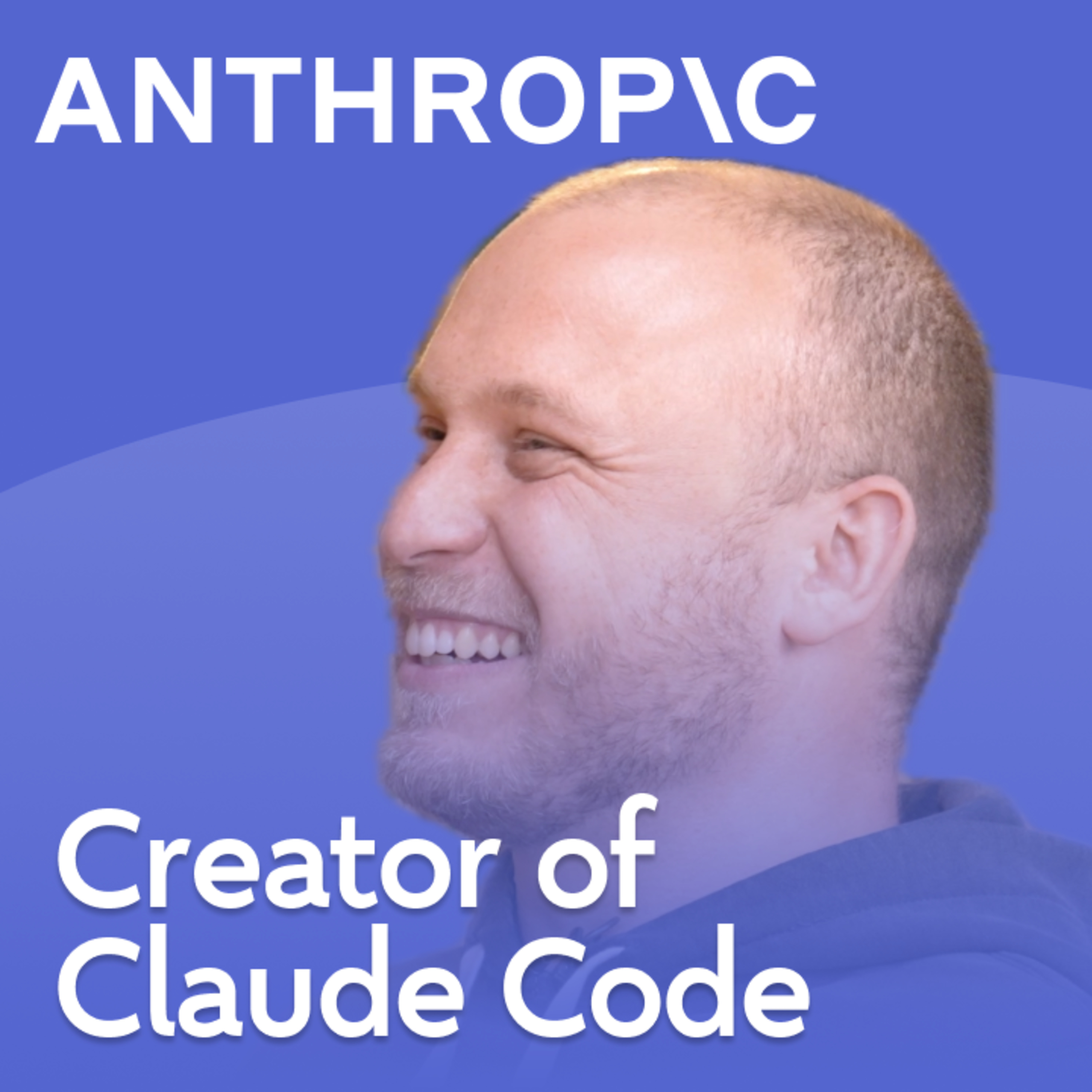
To deliver a high-stakes project on a tight deadline, an engineer took on product management responsibilities like defining scope and getting alignment. This ability to resolve ambiguity outside of pure engineering, which he calls the "product hybrid archetype," is a key differentiator for achieving senior-level impact.

In a rapidly changing world, the most valuable skill is not expertise in one domain, but the ability to learn itself. This generalist approach allows for innovative, first-principles thinking across different fields, whereas specialists can be constrained by existing frameworks.

As AI masters specialized knowledge, the key human advantage becomes the ability to connect ideas across different fields. A generalist can use AI as a tool for deep dives on demand, while their primary role is to synthesize information from multiple domains to create novel insights and strategies.
