Get your free personalized podcast brief
We scan new podcasts and send you the top 5 insights daily.
China is expanding its electricity generation at a staggering pace, adding the equivalent of Germany's entire grid each year. Contrary to the narrative of coal dependency, most of this new capacity now comes from solar and wind, highlighting China's rapid and large-scale pivot to green energy infrastructure.

Related Insights
China's dominance in clean energy technology presents a deep paradox: it is funded by fossil fuels. Manufacturing solar panels, batteries, and EVs is incredibly energy-intensive. To meet this demand, China is increasing its coal imports and consumption, simultaneously positioning itself as a climate 'saint' for its green exports and a 'sinner' for its production methods.

China's investment in green technology is driven less by environmentalism and more by strategic goals. By dominating renewables and EVs, China reduces its dependence on foreign oil—a key vulnerability in a potential conflict with the US—while building global soft power and boosting its GDP through green tech exports.
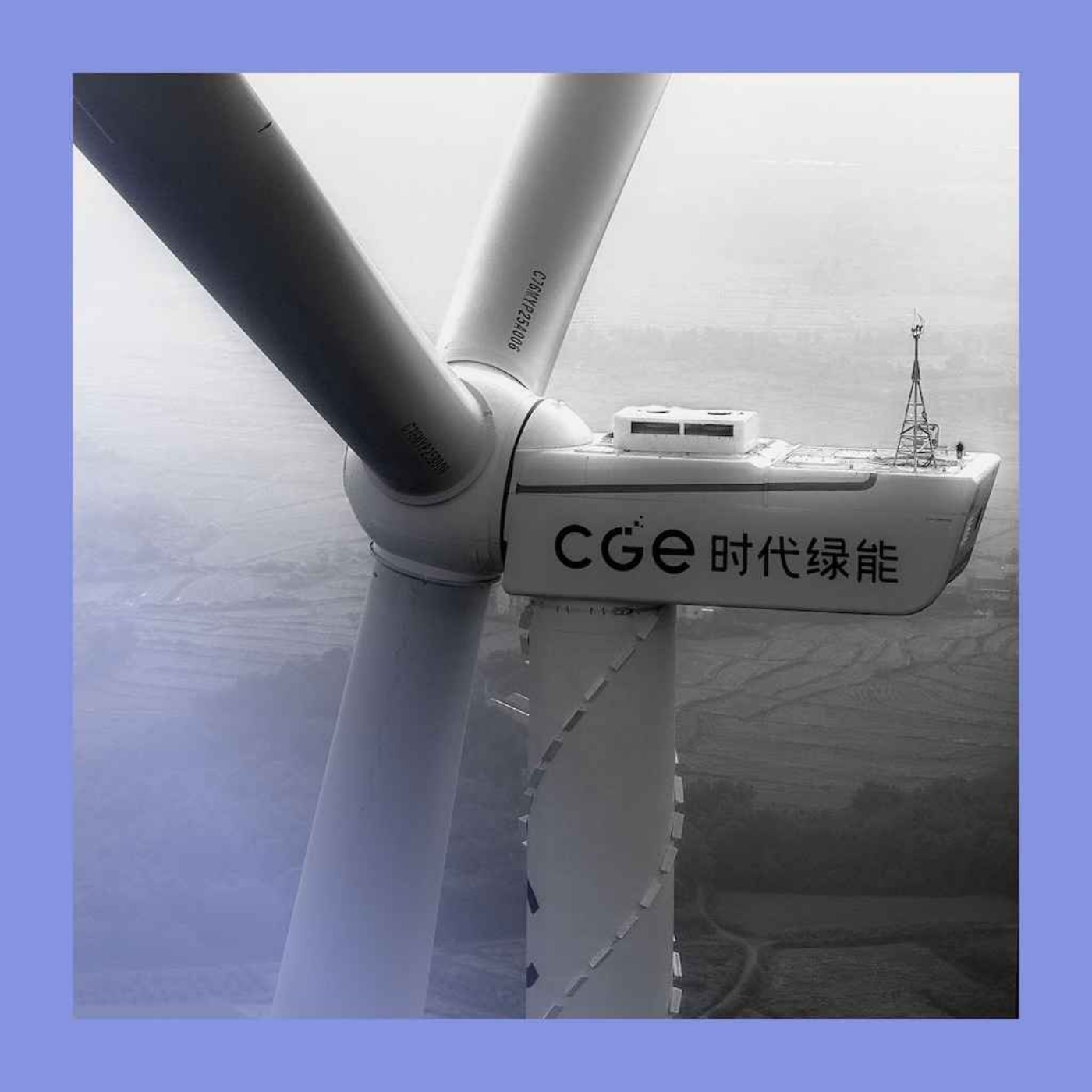
Beyond algorithms and talent, China's key advantage in the AI race is its massive investment in energy infrastructure. While the U.S. grid struggles, China is adding 10x more solar capacity and building 33 nuclear plants, ensuring it will have the immense power required to train and run future AI models at scale.
![Dan Wang - The US vs China In The 21st Century - [Invest Like the Best, EP.444] thumbnail](https://megaphone.imgix.net/podcasts/e1599a88-a9f6-11f0-b532-e3695bb27d60/image/0f5c07552cef2689e5834d56786ad6f1.jpg?ixlib=rails-4.3.1&max-w=3000&max-h=3000&fit=crop&auto=format,compress)
Blockades in critical waterways like the Strait of Hormuz force nations to seek energy independence through renewables. This structural shift primarily benefits China, which controls the majority of the global supply chain for windmills (60%), EVs (70%), and solar panels (80%), solidifying its long-term strategic advantage.

China avoids major power outages during coastal typhoons because much of its electricity, especially from renewables, is generated in the western interior. A purpose-built, typhoon-resistant ultra-high voltage grid then transmits this power to the vulnerable eastern coastal regions, creating a resilient energy infrastructure.

While US AI is energy-constrained, China benefits from a modern grid built for recent urbanization. Government-mandated renewable energy projects created vast, cheap power sources, making energy a non-issue for its AI expansion. This was a coincidental benefit, not strategic foresight.

China's leadership in renewables isn't just in manufacturing. It has strategically secured control over the entire supply chain—from owning international mines and refining raw ore to producing the final solar panels and batteries—giving it immense geopolitical and economic leverage.

While the U.S. pursues "energy dominance" via LNG and oil exports, China is establishing itself as a "green tech superpower." By supplying affordable solar panels, batteries, and EVs, China offers other nations a path to energy security and independence, creating a new form of geopolitical influence that challenges the fossil fuel-based world order.
China has undergone a radical transformation, from being opened by British coal-fired warships in the 19th century to now being a nation whose immense fossil fuel demand and green energy manufacturing dominance fundamentally reshapes the entire global geopolitical landscape.

The global energy transition is also a geopolitical race. China is strategically positioning itself to dominate 21st-century technologies like solar and EVs. In contrast, the U.S. is hampered by a legacy mindset that equates economic growth with fossil fuels, risking its future competitiveness.
