Get your free personalized podcast brief
We scan new podcasts and send you the top 5 insights daily.
China's leadership in renewables isn't just in manufacturing. It has strategically secured control over the entire supply chain—from owning international mines and refining raw ore to producing the final solar panels and batteries—giving it immense geopolitical and economic leverage.

Related Insights
The strategic competition with China is often viewed through a high-tech military lens, but its true power lies in dominating the low-tech supply chain. China can cripple other economies by simply withholding basic components like nuts, bolts, and screws, proving that industrial basics are a key geopolitical weapon.

China's investment in green technology is driven less by environmentalism and more by strategic goals. By dominating renewables and EVs, China reduces its dependence on foreign oil—a key vulnerability in a potential conflict with the US—while building global soft power and boosting its GDP through green tech exports.
For 30 years, China identified rare earths as a strategic industry. By massively subsidizing its own companies and dumping product to crash prices, it methodically drove US and global competitors out of business, successfully creating a coercive dependency for the rest of the world.

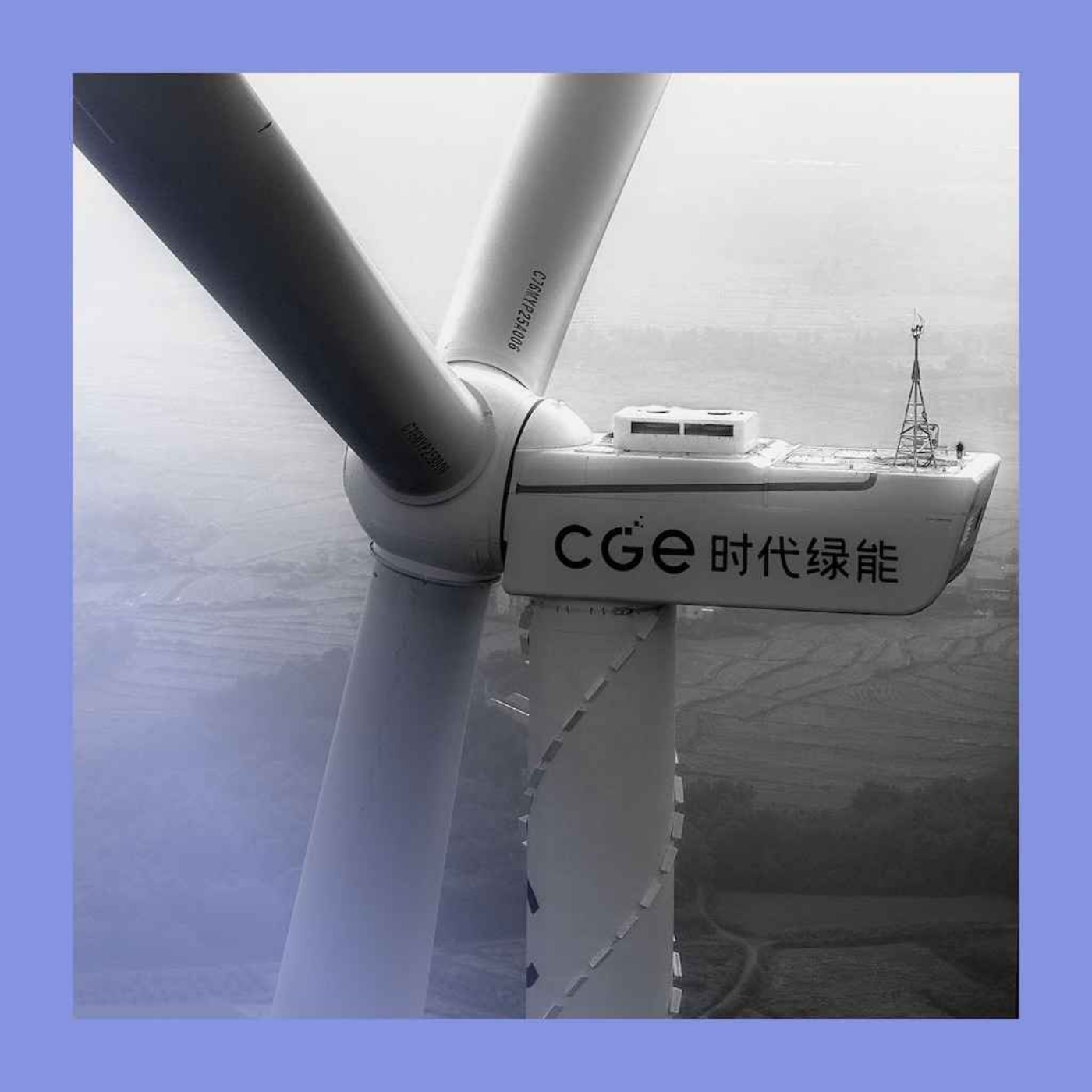
China's strategy involved not only extracting and processing rare earths but also creating domestic demand through EVs and wind turbines. This holistic approach, combined with state-owned enterprises that don't require profitability, created an unbeatable market position.

Following US policy moves, China is likely to expand its use of export controls on critical materials. Silver, essential for EVs, solar panels, and AI data centers, has been added to its list, signaling a willingness to leverage its supply chain dominance as a geopolitical tool against rivals.

While headlines focus on advanced chips, China’s real leverage comes from its strategic control over less glamorous but essential upstream inputs like rare earths and magnets. It has even banned the export of magnet-making technology, creating critical, hard-to-solve bottlenecks for Western manufacturing.

China achieved its near-monopoly on rare earths not by chance, but through a long-term state-sponsored strategy. This involved providing capital to key firms, funding overseas acquisitions, banning foreign ownership of domestic mines, and consolidating the industry to control global prices.

China is restricting exports of essential rare earth minerals and EV battery manufacturing equipment. This is a strategic move to protect its global dominance in these critical industries, leveraging the fact that other countries have outsourced environmentally harmful mining to them for decades.

China's global dominance isn't in owning mines, but in controlling the midstream refining and smelting processes. This creates a critical choke point for the West's supply of essential materials for defense, AI, and electrification, as they control 50-98% of processing capacity for key metals.

While the U.S. pursues "energy dominance" via LNG and oil exports, China is establishing itself as a "green tech superpower." By supplying affordable solar panels, batteries, and EVs, China offers other nations a path to energy security and independence, creating a new form of geopolitical influence that challenges the fossil fuel-based world order.