Get your free personalized podcast brief
We scan new podcasts and send you the top 5 insights daily.
Staffed on a lean deal team, Senior Associate Hannah Song was forced to perform the duties of a VP. This experience taught her that you don't need a formal title or all the answers to step into a leadership role; you can learn by doing and trusting that "everything's figureoutable."

Related Insights
Formal leadership roles are not the only way to lead. Aspiring leaders should seek opportunities to guide projects, initiatives, or teams they don't directly manage. These experiences provide valuable feedback and demonstrate leadership capability long before a promotion, removing the mental boundary that a title is required to lead.

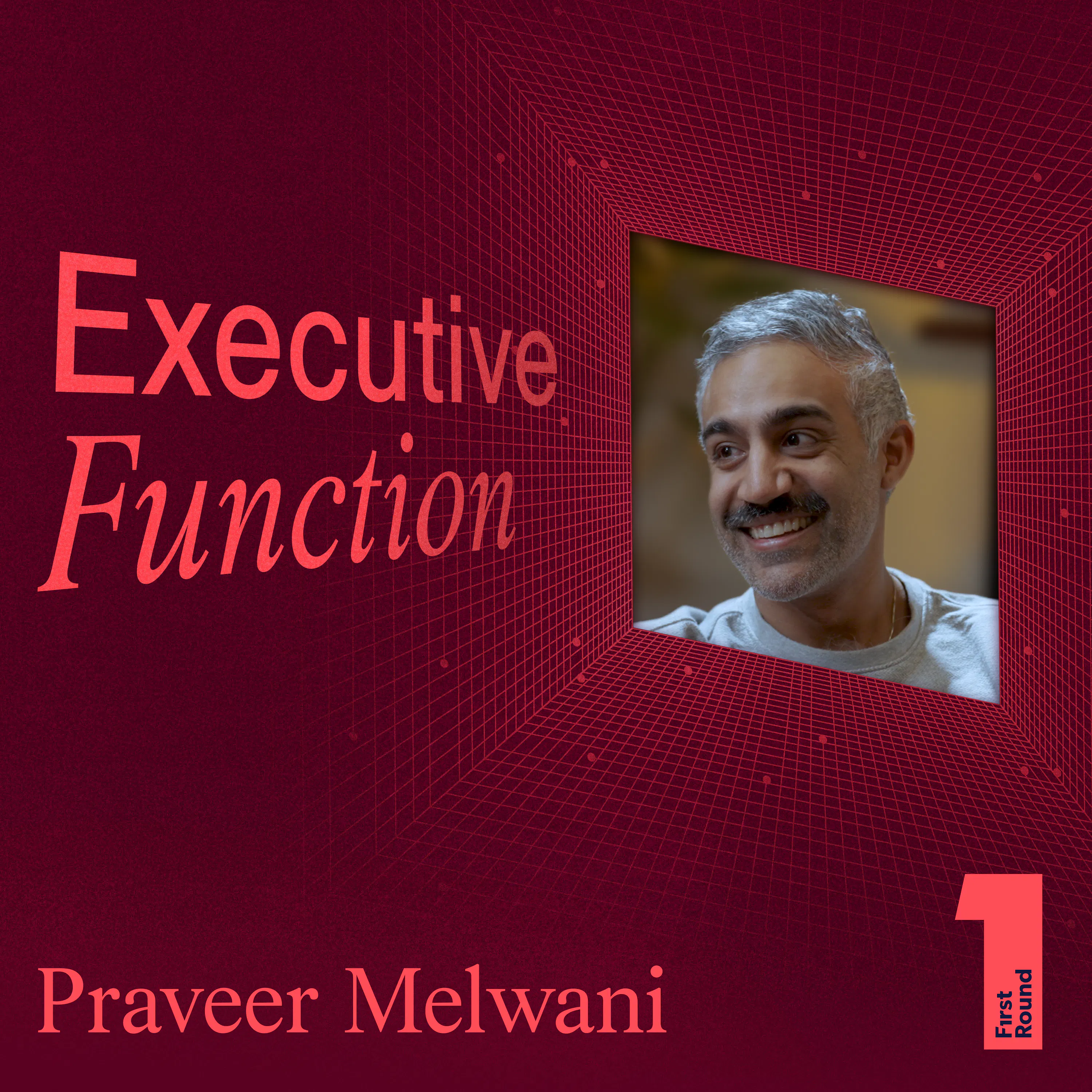
When Figma's COO left, CFO Praveer Melwani viewed the operational void not as a crisis, but as a chance to learn. He volunteered for unfamiliar functions like legal and sales ops, accelerating his development by hiring experts and managing areas beyond his experience.
Professionals transitioning into private equity should accept a Senior Associate role over a VP role, even post-MBA. This provides essential, hands-on deal execution experience, creating a stronger foundation to be a more effective VP in the long run.

A formal management title is not a prerequisite for leadership. Top-tier individual contributors can have a massive impact by mentoring junior reps, leading their account teams, and shaping the sales culture. This demonstrates that the IC track can be a fulfilling, long-term leadership path.

Don't wait for a promotion or for the perfect role to be created. The most effective path to leadership is to proactively identify and take on critical, unowned tasks within your organization. This demonstrates value and allows you to carve out a new role for yourself based on proven impact.

The journey from individual contributor to VP of Product at Descript wasn't about formal promotions. Instead, it was a gradual process of adding so much value in product discussions that she was invited into progressively more strategic meetings. When you're consistently indispensable in "the room," you eventually belong there permanently.
When entering a new region or industry without a network, accepting a role slightly below your experience level is a powerful strategy. It lowers the barrier to entry and allows you to quickly prove value, earn trust, and ultimately get promoted faster than if you had held out for a more senior role from the start.

Before becoming a founder, Melody Bender accelerated her career by rewriting her own job description to include work she wanted to do, like "beauty brand development." This demonstrated capability and created opportunity, leading directly to her next leadership role without waiting for permission.

Don't wait for a senior title to think strategically. Junior PMs should stretch beyond pure delivery and engage with customer discovery, business context, and pain points to build the strategic skills necessary for advancement.

The fastest career acceleration comes from being inside a hyper-growth company, regardless of your initial title. The experience gained scaling a 'rocket ship' is far more valuable than a senior title at a slower-moving business. The speaker herself took a step down from Senior Director to an individual contributor role to join OpenAI.