Get your free personalized podcast brief
We scan new podcasts and send you the top 5 insights daily.
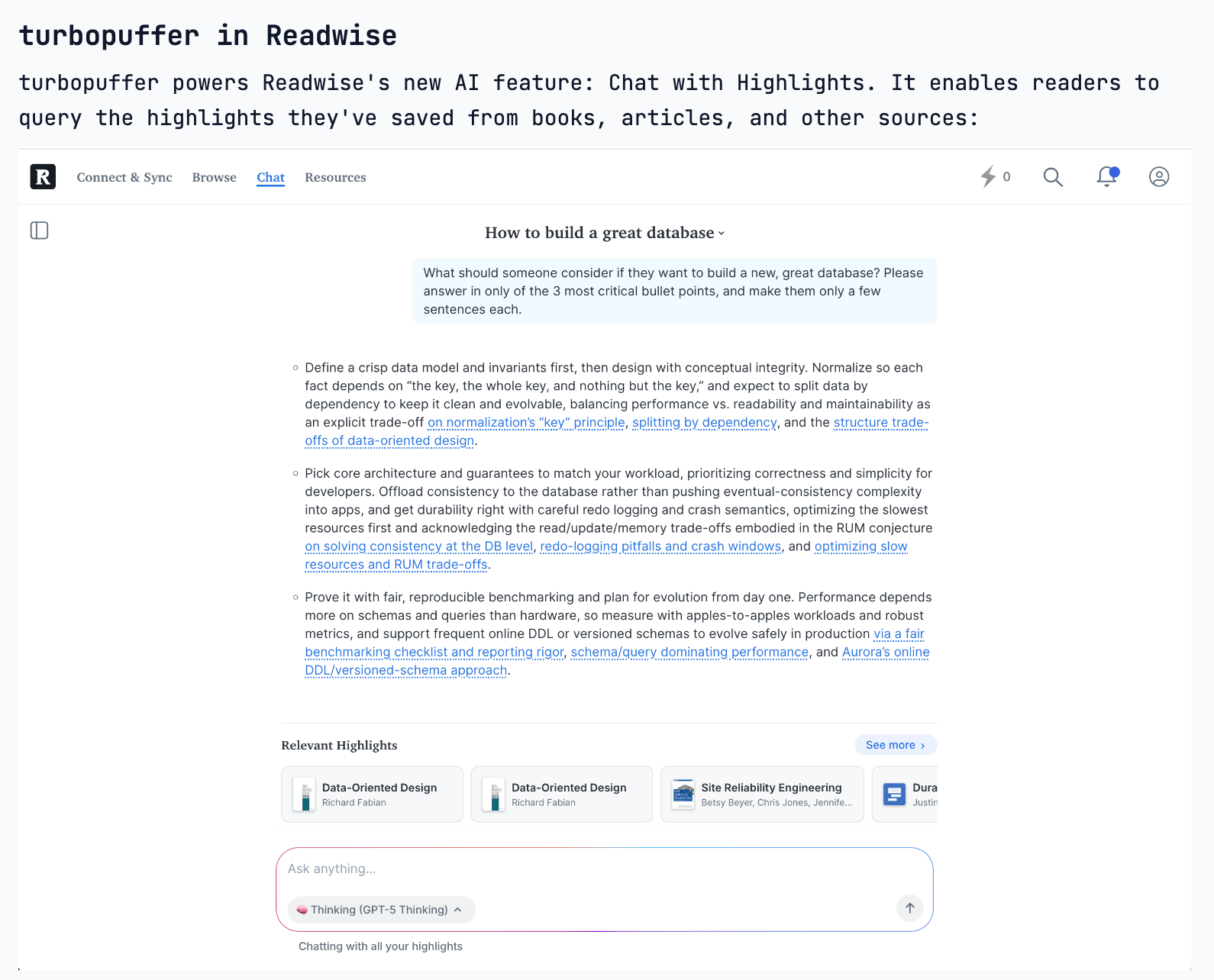
Simon Eskildsen told his first investor that he'd return the money if the company didn't find product-market fit within a year. This extreme transparency, while unconventional, was seen as a sign of deep commitment and integrity, ultimately winning the investor's trust.
Related Insights
After realizing their initial idea was wrong, the founder tried to return $200K to angel investors. The investors refused, stating their investment was in the founders, not the specific idea. They insisted the team take the money and pivot, demonstrating that early-stage bets are often on people's potential to find a solution.

During a pivot with no new product to show, Ladder's fundraising relied entirely on selling the team's conviction. Co-founder Tom Digan personally leading the round despite being financially stretched was the ultimate signal of "skin in the game" that convinced other investors to join.
![Tom Digan & Greg Stewart - Building the World’s Best Fitness App - [Invest Like the Best, EP.454] thumbnail](https://megaphone.imgix.net/podcasts/8459013c-f00c-11f0-ac98-fbad2fe189ee/image/d99352e9439af266dbb87c1efac1299f.jpg?ixlib=rails-4.3.1&max-w=3000&max-h=3000&fit=crop&auto=format,compress)
To navigate a challenging financing environment, founders must build loyalty with their existing shareholders. This means frequent communication about wins and setbacks, even with the earliest "friends and family" investors, to ensure they feel part of the journey and will participate in future financing rounds.

Instead of scheduling a pitch, Owner.com's CEO immediately sent his last three investor updates to a potential investor. This act of radical transparency showcased strong performance and trajectory, building instant trust and leading to an investment without a meeting.

The ideal founder-investor dynamic is built on a shared, unique vision—like being "in on a secret together." When an investor deeply believes in a startup's specific approach, it fosters the trust needed for radical honesty about challenges, which in turn unlocks their network and resources for help.

After personal tragedies caused a seed round to collapse, the founder's openness with investors and decision to self-fund the company demonstrated extreme resilience. This convinced his team to stay and even brought back previous investors, showcasing that founder conviction is a powerful signal.
When founders invest their own money, it signals an unparalleled level of commitment and belief. This act serves as a powerful 'magnetic pull,' de-risking the opportunity in the eyes of external investors and making them significantly more likely to commit their own capital.

Instead of a formal roadshow, founders should let future lead investors invest small amounts months in advance. Providing them with regular updates and hitting stated milestones builds immense trust, making the actual fundraise a quick, targeted process that optimizes for partner over price.
Unlike typical founders, Wang has been transparent about the market's finances, even telling the Wall Street Journal about his losses. This candor, born from not expecting the project to last, became an accidental asset. It fostered trust and showed he wasn't exploiting the community, deepening his connection with vendors and patrons.

During a tough fundraising process, founders should remove emotion and ask themselves a critical question: 'Would I invest my entire personal fortune into this right now?' Answering 'yes' with rational conviction is the key to weathering rejections and ultimately persuading an anchor investor to make the first bet.