Get your free personalized podcast brief
We scan new podcasts and send you the top 5 insights daily.
CEO Melissa Mash intentionally sought co-founders with complementary skills: a creative designer for brand connection and an analytical COO for operational rigor. This balanced her consumer-facing CEO role, ensuring all strategic bases were covered from day one.
Related Insights
A key to business success is partnering with people who possess different skills. The Devonshire's founding team combines a big-picture commercial strategist, a world-class chef obsessed with product detail, and an operator focused on atmosphere and people, preventing internal redundancy and covering all bases.

Who Gives A Crap's founders credit their success to a natural division of labor based on skills in product, strategy, and operations. Crucially, they have just enough shared understanding to collaborate effectively without overstepping into each other's domains.

Johnny Harris credits his company's success to his partnership with his wife, who acted as CEO. She built the operational infrastructure (hiring, finance, HR) that allowed him, the creator, to focus on content, turning his one-man band into a scalable organization.
Instead of a traditional president or COO, Todd Graves hired a Co-CEO to find someone demonstrably better than him at his weakest areas (finance, IT, supply chain). The shared title gives them the authority and pride to own these functions, freeing the founder to focus on his strengths like marketing and culture.

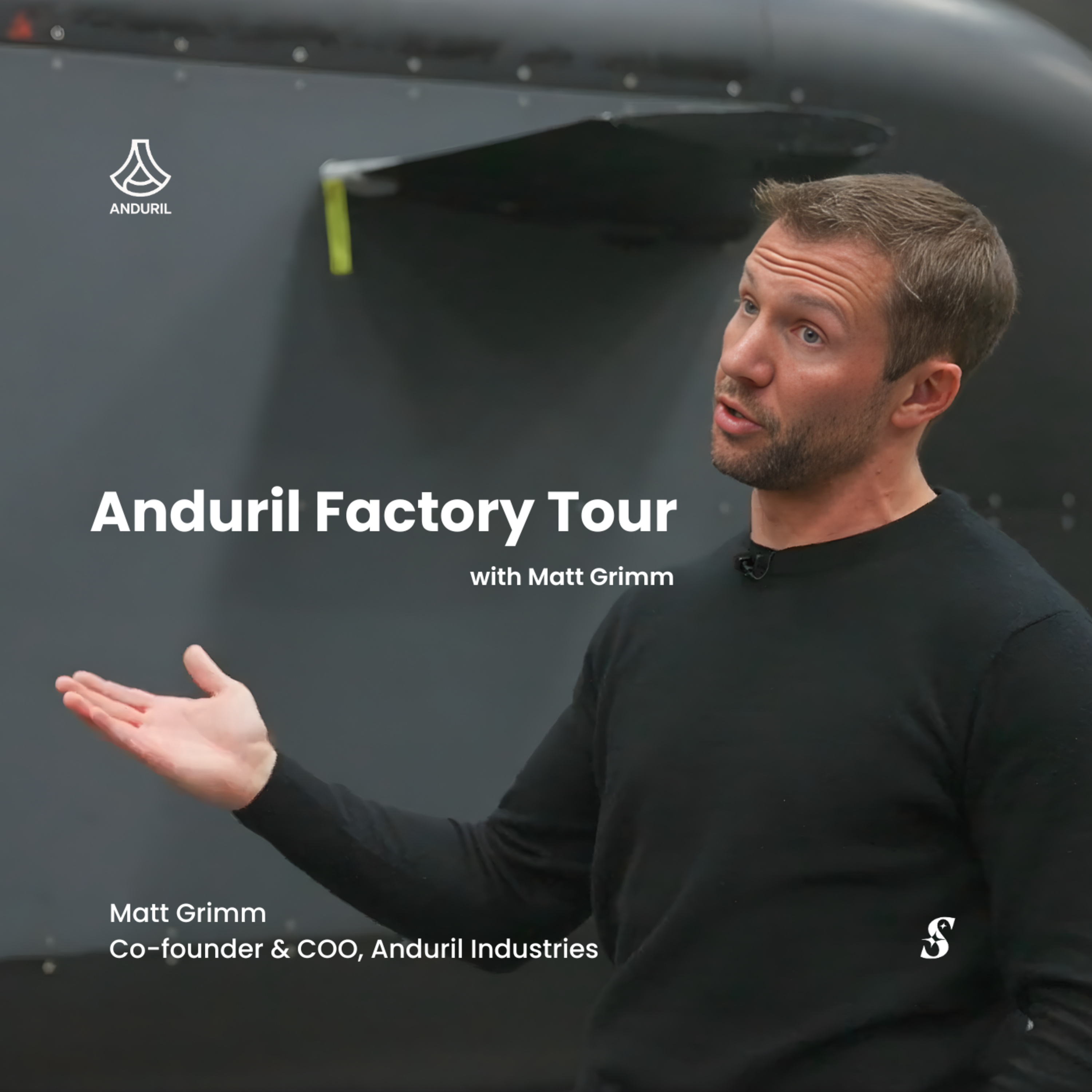
As Anduril scaled, its founders specialized. Palmer Luckey drives product innovation. CEO Brian Schimpf is the strategic 'genius' who sees the global chessboard. Trey Stephens handles investor relations and brand marketing. Matt Grimm acts as COO, the 'chief janitor' managing the complex operational guts of the company.
A critical step for technical founders is honestly assessing their non-scientific weaknesses. Professor Waranyoo Phoolcharoen knew she couldn't be both CTO and CEO, so she deliberately sought a co-founder with strong business, finance, and marketing skills to complement her technical expertise.

The old model of replacing a founder with a 'professional CEO' is often flawed because it removes irreplaceable product insight. The modern approach is for founders to design their executive team to complement their unique strengths, ensuring they stay engaged for the long journey.
The founder of KIND attributes much of its success to his partnership with President John Leahy. Their different, complementary skill sets (Yin and Yang) and a willingness to hire people better than himself in specific roles were key to scaling the company effectively.

The business grew quickly because its three co-founders each brought a distinct, essential skill: creative design, business management, and deep product knowledge (fandom). This division of labor allowed them to scale the company while still working their other full-time jobs, with each founder's expertise complementing the others.

Gymshark's CCO explains her successful partnership with founder Ben Francis. They share core values, ensuring they move in the same direction, but their completely different "superpowers" create a healthy tension that leads to better-rounded decisions and prevents groupthink.