Get your free personalized podcast brief
We scan new podcasts and send you the top 5 insights daily.
To maintain power, the Venezuelan government uses a separate secret police, the DGCIM, specifically to police its own military. This unit monitors, tortures, and imprisons hundreds of military officers, revealing deep internal distrust and serving as a key mechanism to prevent any organized dissent from within the armed forces.

Related Insights
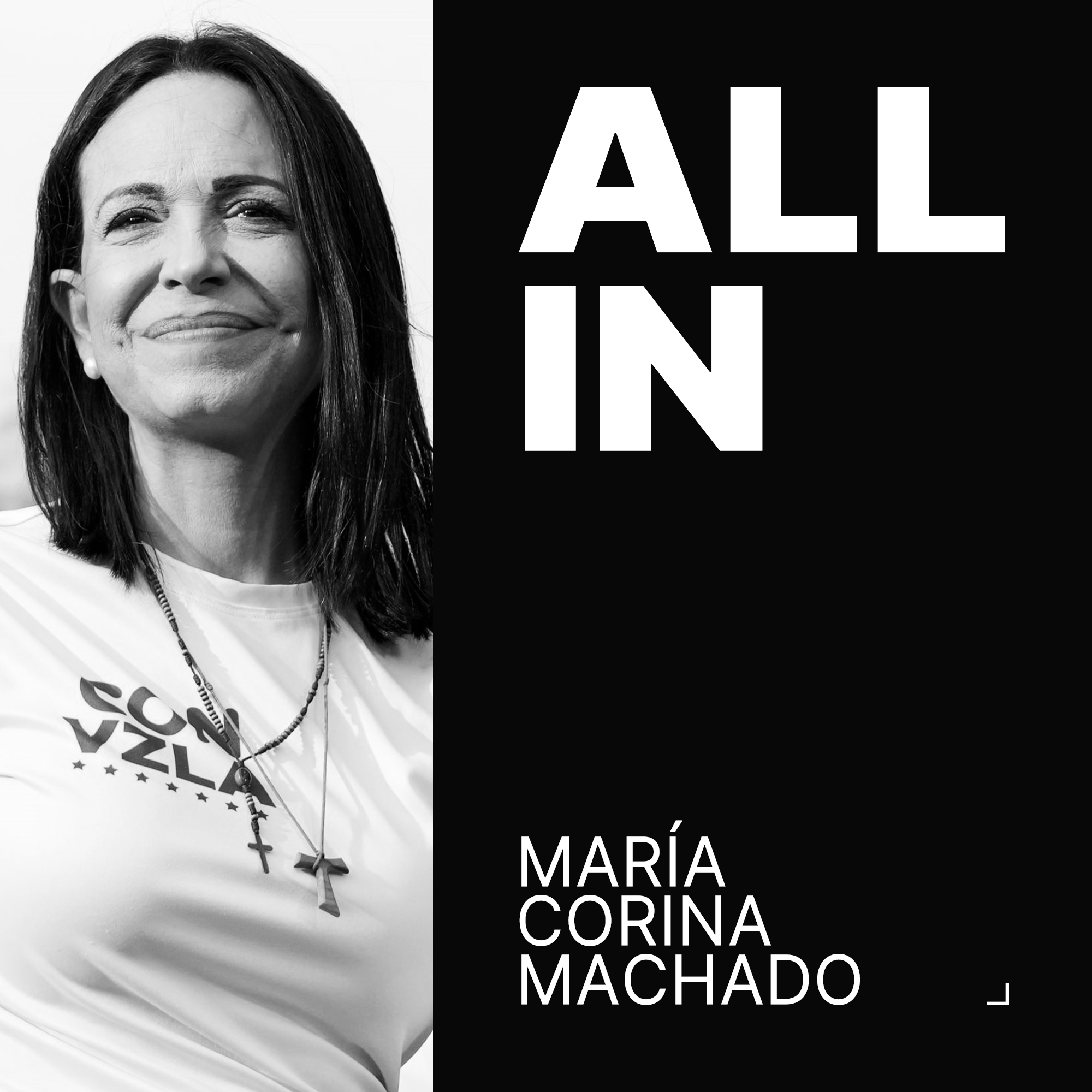
According to Maria Corina Machado, Nicolás Maduro's rise to power was not an internal decision but a direct choice by the Cuban government. Having been trained in Cuba and demonstrating total loyalty to the Castro regime, Maduro was selected to ensure Cuba's continued influence and control over Venezuela.
Authoritarian leaders like Hugo Chavez systematically dismantle democracy from within after winning elections. They replace competent individuals in the military and government with those who are absolutely loyal, destroying meritocracy to ensure the state apparatus serves the regime, not the people.
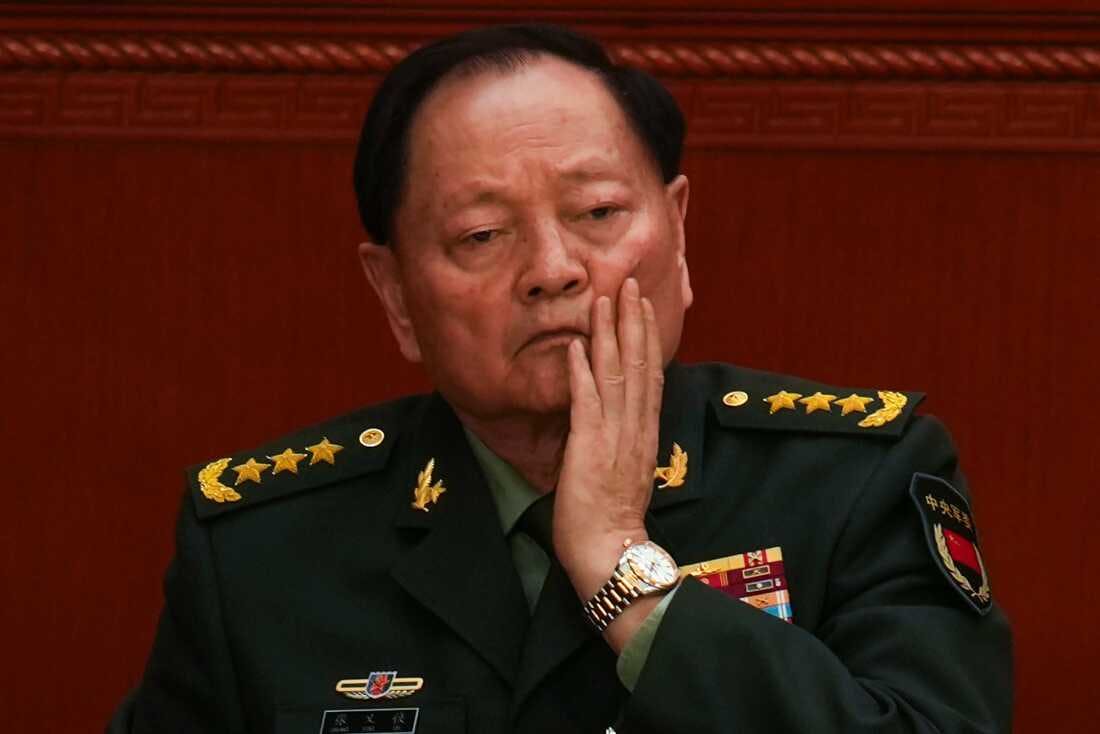
A potential invasion of Taiwan by China is less likely due to internal military purges and dissent than to US military posturing. An authoritarian leader like Xi Jinping cannot launch a complex invasion if he doesn't trust his own generals, making domestic instability a powerful, albeit unintentional, deterrent.

The Maduro regime is not just a corrupt petrostate; it is a diversified criminal enterprise. It has expanded into drug trafficking, gold smuggling, and human trafficking, turning Venezuela into a safe haven for global criminal networks, terrorist groups, and adversaries like Russia and Iran.
To crush popular dissent after losing an election, the Maduro regime escalated to what international bodies label "state terrorism." This included imprisoning not just activists but also their family members and even citizens who merely posted a supportive picture online, aiming to terrify the entire population into silence.
Knowing they cannot win a conventional war, Venezuela's military doctrine relies on asymmetrical warfare. Their key leverage is the credible threat to unleash chaos via guerrillas and gangs, making the country ungovernable for any occupying force.

Interim President Delcy Rodriguez's authority stems from her unique ability to engage with international actors like the U.S., a skill her powerful military rivals lack. This makes her both indispensable and vulnerable within the regime.
Widespread corruption within the PLA means nearly every senior officer has a usable 'dossier.' This provides Xi Jinping with a permanent, justifiable pretext to eliminate anyone for political reasons, with corruption charges acting as the public-facing justification.
A dictator's attempts to consolidate power by purging potential rivals are counterproductive. This strategy creates a culture of fear where subordinates are too afraid to deliver bad news, isolating the leader from ground truth. This lack of accurate information increases the risk of catastrophic miscalculation and eventual downfall.
The Rodriguez siblings, key figures in the Chavista regime, harbor deep-seated animosity toward the West. A former U.S. official believes this stems from their father being tortured to death by a previous government, an event they attribute to imperialist influence.