Get your free personalized podcast brief
We scan new podcasts and send you the top 5 insights daily.
Most people adopt an unnatural persona when they first start recording. By simply cutting the first 30 seconds of a take, you remove the awkward 'warm-up' period and get straight to your more natural, confident flow.

Related Insights
The tactical way to "be yourself" is to minimize the time between idea and execution. The more time spent scripting, filtering, and refining a post, the less authentic and unique it becomes. Shortening this cycle allows your true personality and quirks to shine through naturally.

To become a better video presenter, you must overcome the discomfort of self-review. Heike Young advocates for actively watching your own videos to identify and correct subconscious delivery quirks, like hard blinking or tongue clicking. Avoiding this 'cringe' step prevents crucial self-improvement.
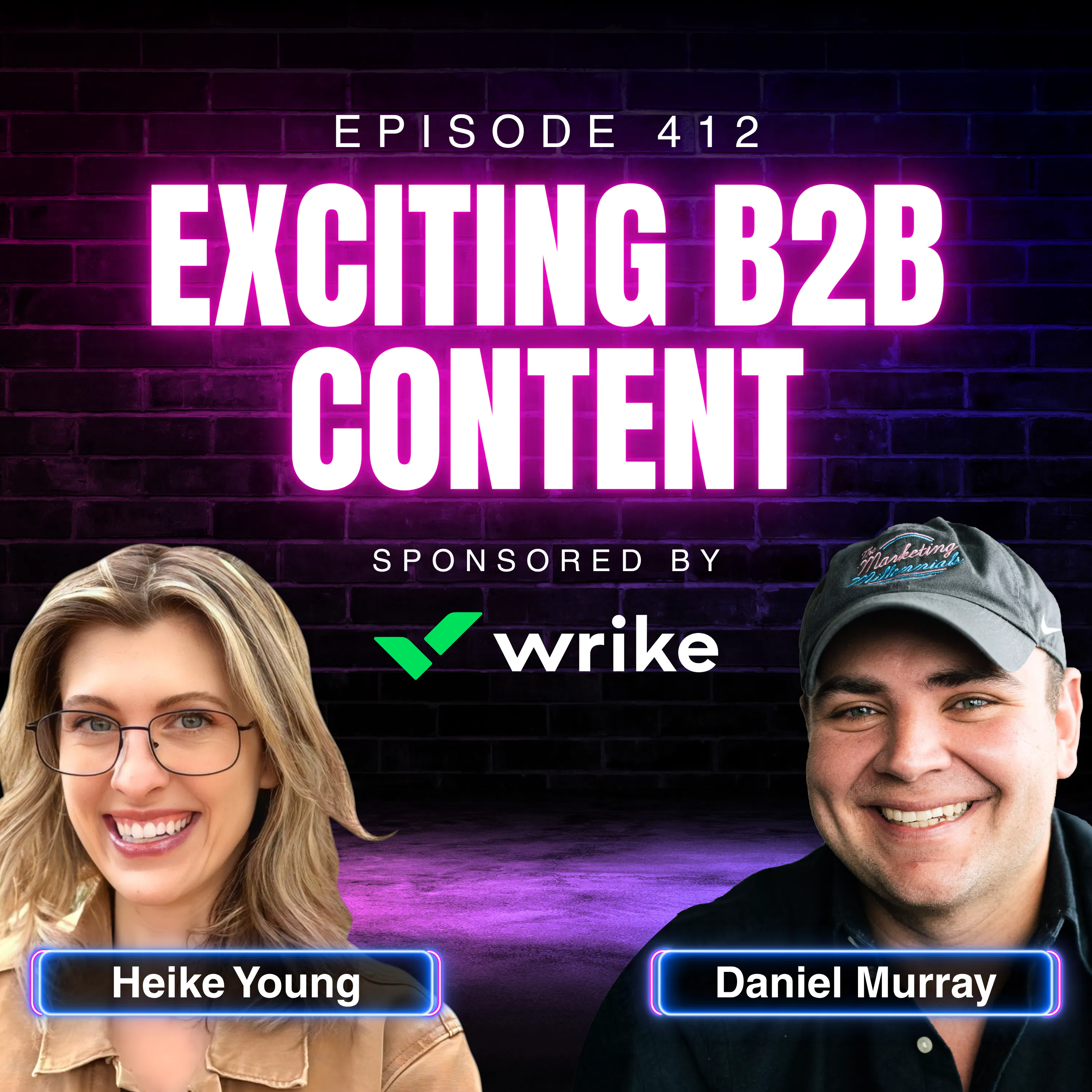
To prevent guests from adopting a rehearsed, "idealized" persona, the podcast host starts recording as soon as they sit down. By eliminating formal cues like "Are you ready?", the conversation feels natural and unplanned, leading to more honest and unguarded responses that reflect the guest's true personality.

Many professionals avoid video because they dislike watching themselves. Instead of ignoring this discomfort, lean into it. Methodically re-watching your videos is the fastest way to identify and correct awkward delivery quirks, like repetitive blinking or verbal tics. This self-analysis is a critical step to becoming a more polished presenter.

To get the most out of recording yourself, review it three separate times. First, listen without video to focus on your tone, pace, and filler words. Second, watch without sound to analyze body language and posture. Finally, watch with sound to see the complete picture. This isolates variables for more effective feedback.
Instead of feeling intimidated by a camera lens or a potential mass audience, creators should visualize one specific person—their ideal client or a former version of themselves. This transforms the recording process into an intimate conversation, making content more authentic and relatable.
Don't create long, founder-led monologues for launch videos. The vast majority of viewer drop-off happens after the initial 30 seconds. Focus nearly all creative energy on making the first 30 seconds incredible by getting straight to the core value props. The rest of the video's length is secondary.

The key to an authentic on-camera presence isn't performance skill, but speaking from deep knowledge. When you talk about things you truly understand, content flows naturally. Trying to memorize a script or an unfamiliar topic leads to a stiff, robotic delivery that viewers distrust.

The fear of being on video often stems from self-criticism. Reframe this anxiety by understanding that it is a form of conceit to assume prospects care that much about your minor imperfections. They are focused on your message, not your perceived flaws. This mental shift encourages action over analysis paralysis.

To avoid a lengthy editing process sifting through multiple similar clips, commit to the principle that your final attempt at a line is the one you'll use. This contrasts with the Hollywood method of shooting multiple 'best' takes and forces decisiveness, ensuring the usable clip is always at the end of your raw footage.