Get your free personalized podcast brief
We scan new podcasts and send you the top 5 insights daily.
Instead of fearing AI will make employees lazy, leaders should encourage them to strategically delegate tasks where the learning curve is flat (e.g., formatting tables). This cognitive offloading frees up hours for deep, creative, and strategic work that drives real skill development.

Related Insights
Increased efficiency from AI should not automatically be filled with more tasks. Instead, this newfound capacity should be intentionally allocated to "thinking time"—marinating on hard problems. This slow, System 2 thinking is crucial for leadership and judgment.

The common fear of AI eliminating jobs is misguided. In practice, AI automates specific, often administrative, tasks within a role. This allows human workers to offload minutiae and focus on uniquely human skills like relationship building and strategic thinking, ultimately increasing their leverage and value.

Engineers should define an "agent line": the threshold of tasks an AI agent can handle. By continuously re-evaluating what fits "below the agent line" and delegating it, senior engineers can free up significant time for more strategic, high-level work and creative problem-solving.

Frame internal AI initiatives not as a way to replace employees, but to automate their chores. This frees them to move 'up the stack' to perform higher-value functions like client relations, creative strategy, and founder meetings, ultimately increasing overall output.
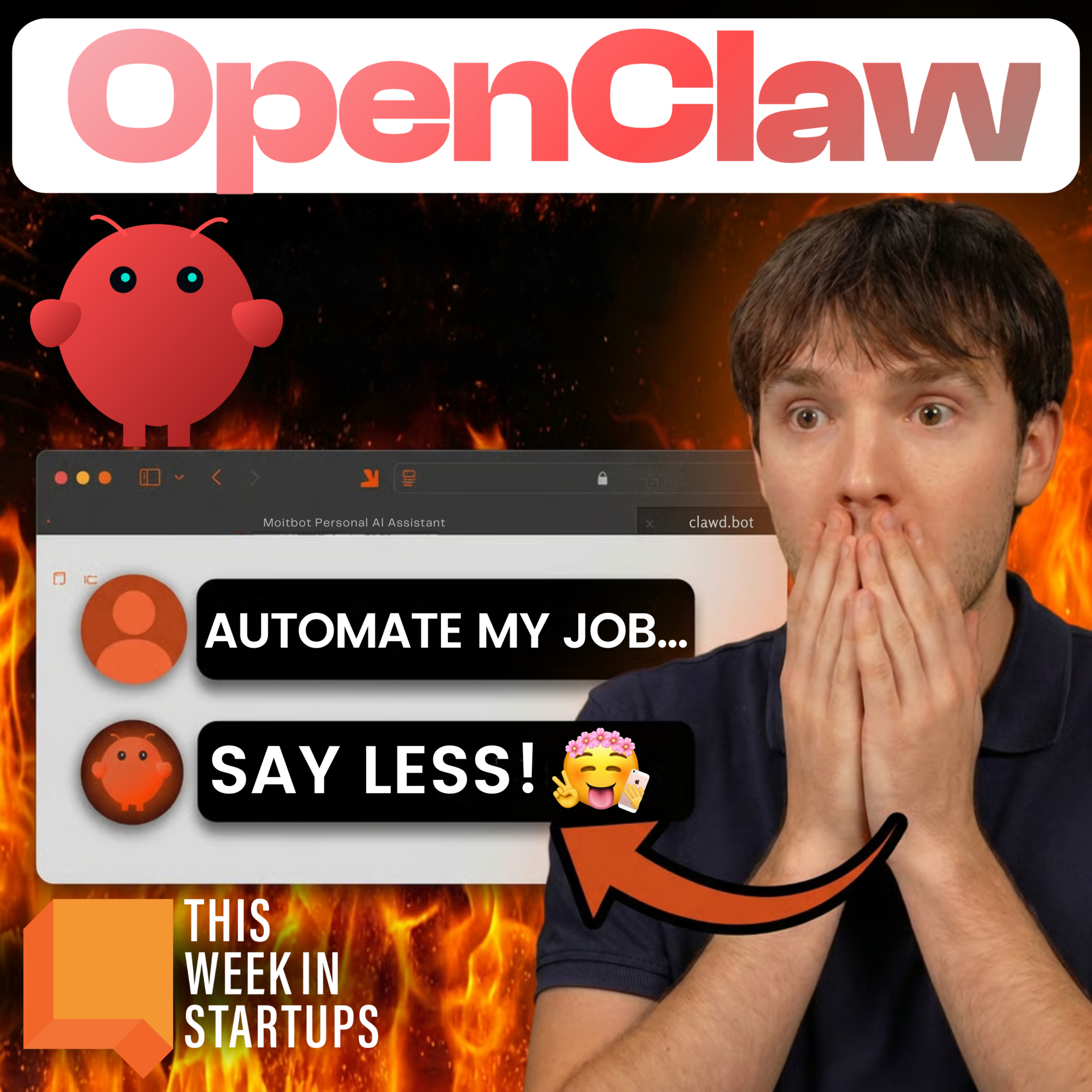
Instead of using AI to cut headcount, use it to elevate your team. Callan Faulkner requires every employee to automate 70% of their role each year. This shifts them from tactical execution to higher-level strategy and problem-solving, dramatically increasing the company's overall capacity and output without layoffs.

A framework for AI use: delegate 'vicious friction' (tedious tasks like data entry) but retain 'virtuous friction' (challenging problems that require deep thought). Outsourcing the latter prevents the cognitive struggle necessary for learning, expertise, and building new neural pathways.

Delegate tasks like email triage or financial monitoring to AI, not just for efficiency, but to act as a "safety net." This offloads the mental stress of worrying about missing something important, freeing up significant cognitive bandwidth for higher-value work.

Adopt a 'more intelligent, more human' framework. For every process made more intelligent through AI automation, strategically reinvest the freed-up human capacity into higher-touch, more personalized customer activities. This creates a balanced system that enhances both efficiency and relationships.

The true power of AI for leaders isn't just automating tasks for productivity gains. It's about clearing cognitive clutter from back-to-back meetings and administrative work. This creates invaluable 'space' for strategic thinking, creativity, and higher-impact leadership activities that were previously squeezed out.

Before automating a tedious task, consider its developmental value. A task that is low-leverage for a senior employee, like formatting slides, might be a critical skill-building exercise for a junior team member. Effective automation strategy must account for where each person is on their professional learning curve.