Get your free personalized podcast brief
We scan new podcasts and send you the top 5 insights daily.
Le Labo's signature scent, Santal, which drives 70% of sales, was initially deemed a failure and given away. Its organic adoption by an influential hotel created viral demand, proving that market reception, not internal opinion, is the ultimate arbiter of a product's success.

Related Insights
When an early cut of the "Man Your Man Could Smell Like" ad was met with internal confusion, the brand team conducted impromptu research. They went to a bar, bought drinks for patrons in exchange for watching the ad, and observed their raw, unfiltered reactions, giving them confidence in the unconventional creative.

The success of deodorant brand Salt & Stone highlights that in CPG, product quality is the ultimate moat. While many VC-backed brands with operational expertise failed, Salt & Stone's founder-led obsession with creating a genuinely superior product led to organic retention and retailer pull, proving that a great product sells itself.

Way's top-selling product was developed and marketed entirely by leveraging community feedback. They used humorous, user-generated scent descriptions from the comments section (e.g., "smells like you got upgraded to the pineapple suite") as their official ad copy, proving the power of crowdsourced marketing.
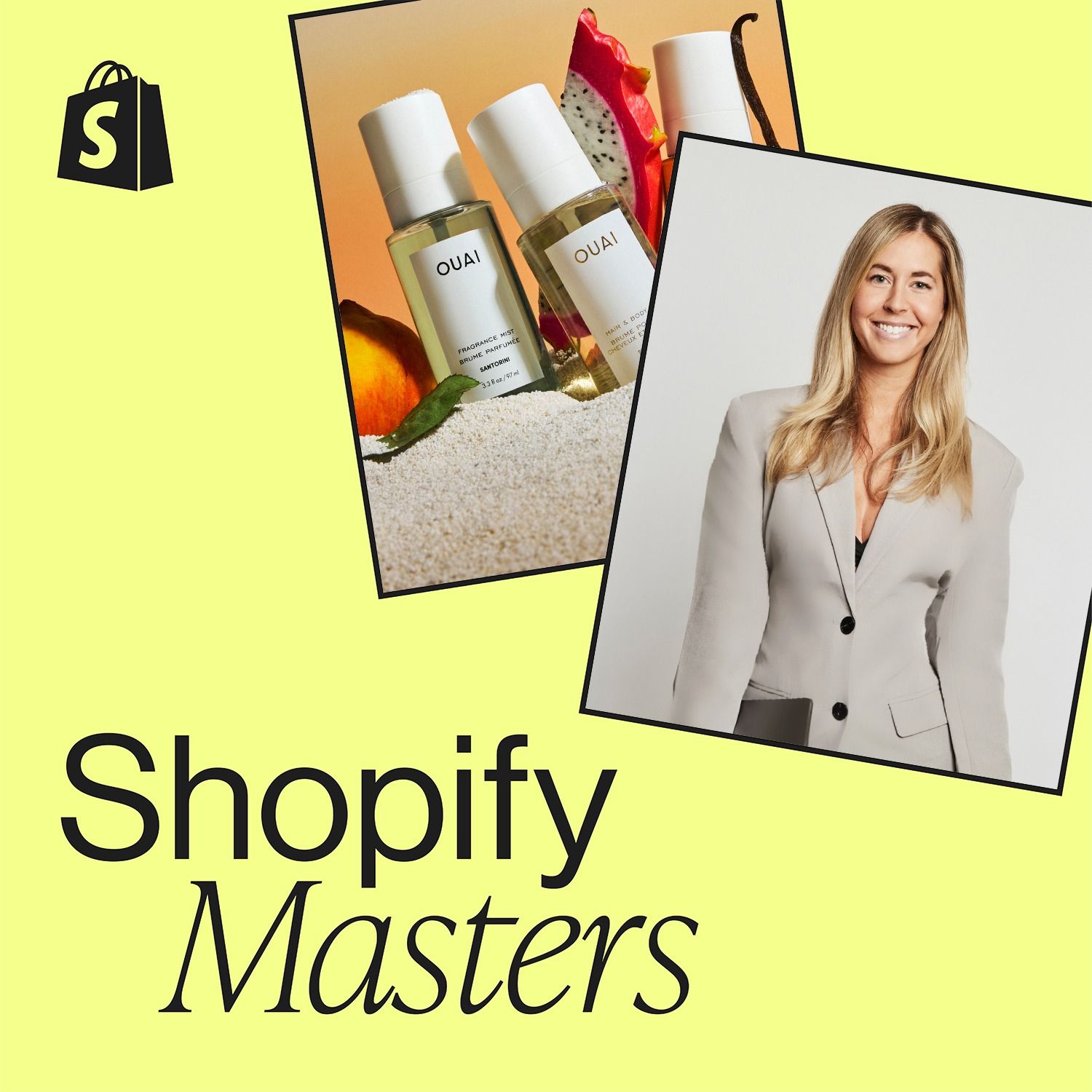
The brand’s first fragrance wasn't born from market research but from the founder's personal need as a makeup artist for a scent that was clean and not overpowering to clients. This hyper-personal origin created a unique product and became a core theme for all future development.

The "Liquid Death" name was a hurdle with early retail buyers but became a key differentiator. The brand accepts that a fraction of people will never buy it, recognizing that creating passionate loyalty among the majority is far more valuable than broad, lukewarm appeal.

Lauder realized women rarely bought perfume, seeing it as a scandalous gift received from men. She sidestepped this cultural barrier by creating "Youth Dew," a bath oil that doubled as a perfume. This genius reframing gave women permission to buy a luxury for themselves, creating an entirely new market.

Companies like Bath & Body Works are moving beyond visual marketing by infusing physical spaces with signature scents. This "scent-a-gration" leverages the powerful link between smell and memory to create deep, lasting brand associations in high-traffic areas.

Give Hugs' success was built on lessons from a prior, less successful merch line. The founders made crucial mistakes in SKU management, fulfillment, and delivery promises, which provided low-stakes, invaluable experience that directly informed their methodical and successful launch of Hugs.
Instead of treating collaborations purely as marketing, Siblings leverages them to develop its most unique and best-selling scents. Partnerships with brands like Fly By Jing and Rooted led to innovative fragrances that became core to their product line, turning collabs into a form of R&D.
The brand launched a technically advanced "love of sleep" spray designed to promote intimacy. When consumers weren't ready for the concept, they discontinued it. This demonstrates a willingness to innovate ahead of the curve while also having the discipline to "fail fast" and move on without fear.
