Get your free personalized podcast brief
We scan new podcasts and send you the top 5 insights daily.
Give Hugs' success was built on lessons from a prior, less successful merch line. The founders made crucial mistakes in SKU management, fulfillment, and delivery promises, which provided low-stakes, invaluable experience that directly informed their methodical and successful launch of Hugs.

Related Insights
Instead of fearing failure, Ridge institutionalizes it by allocating a $1M annual budget specifically for testing new product expansions. This removes pressure from any single launch, encourages aggressive experimentation, and has led to eight-figure successes alongside predictable flops like watches.
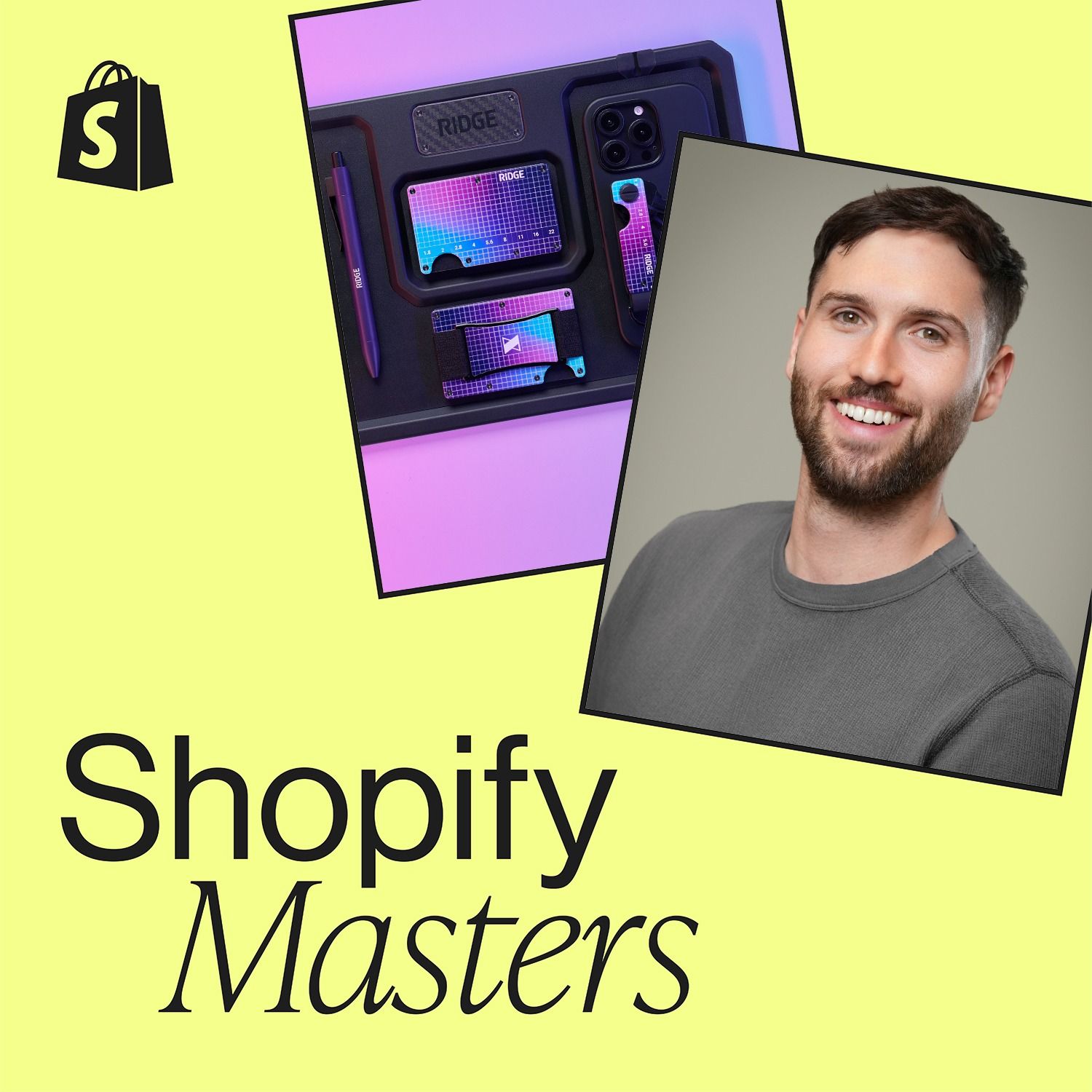
Instead of hiding early product flaws, founders can build a stronger community by openly sharing their mistakes and the correction process. This transparency makes the brand more relatable and human, fostering trust and loyalty more effectively than projecting an image of perfection.

Instead of hiding operational failures like 200 broken PR boxes, the founders create content about them. This authentic, "warts-and-all" approach builds community trust and often results in viral videos, turning a negative into a brand-building positive.

Seemingly costly failures provide the unique stories, data, and scars necessary to teach from experience. This authentic foundation is what allows an audience to trust your guidance, turning past losses into future credibility.

Success isn't linear. Mobile gaming giant Supercell didn't start with mobile games, and drone delivery firm ZipLine began with a robotic toy. This shows that foundational failures in one area can be the necessary learning experiences that lead to market-defining success in another.
An early product failure can be a catalyst for growth. Porterfield's first course flopped, teaching her to only teach from direct results. This pivot led to a more authentic product, which attracted a key partnership with Lewis Howes that generated over a million dollars in revenue.
Product development's most valuable activity is iteration. The goal isn't to avoid failure, but to achieve it quickly and cheaply to maximize learning. A good failure uses the simplest possible prototype (e.g., duct tape and a 2x4) to answer a key question and inform the next step.

Breezy Griffith's early ventures, like selling sorbets and sandwiches at a loss, weren't failures. They were crucial learning experiences that built the foundational skills and resilience needed to launch a successful CPG brand.

Instead of a traditional big-bang retail launch, Magic Mind first sold direct-to-consumer (D2C). This allowed for 150+ product iterations based on direct customer feedback, ensuring product-market fit *before* scaling into high-stakes retail channels, a strategy borrowed from software development.

The brand launched a technically advanced "love of sleep" spray designed to promote intimacy. When consumers weren't ready for the concept, they discontinued it. This demonstrates a willingness to innovate ahead of the curve while also having the discipline to "fail fast" and move on without fear.
