Get your free personalized podcast brief
We scan new podcasts and send you the top 5 insights daily.
The success of deodorant brand Salt & Stone highlights that in CPG, product quality is the ultimate moat. While many VC-backed brands with operational expertise failed, Salt & Stone's founder-led obsession with creating a genuinely superior product led to organic retention and retailer pull, proving that a great product sells itself.

Related Insights
Despite running a company with a near $2 billion valuation, Olipop's CEO Ben Goodwin personally formulates every flavor. He views this hands-on work not as a hobby, but as his most direct and unfiltered expression to customers, ensuring the product quality that underpins the brand's success.
The company never proactively pitched major retailers. Instead, they focused on creating a powerful digital presence and a superior product. This strategy made the brand so desirable that major players like Sephora initiated the partnership, flipping the traditional wholesale sales dynamic.
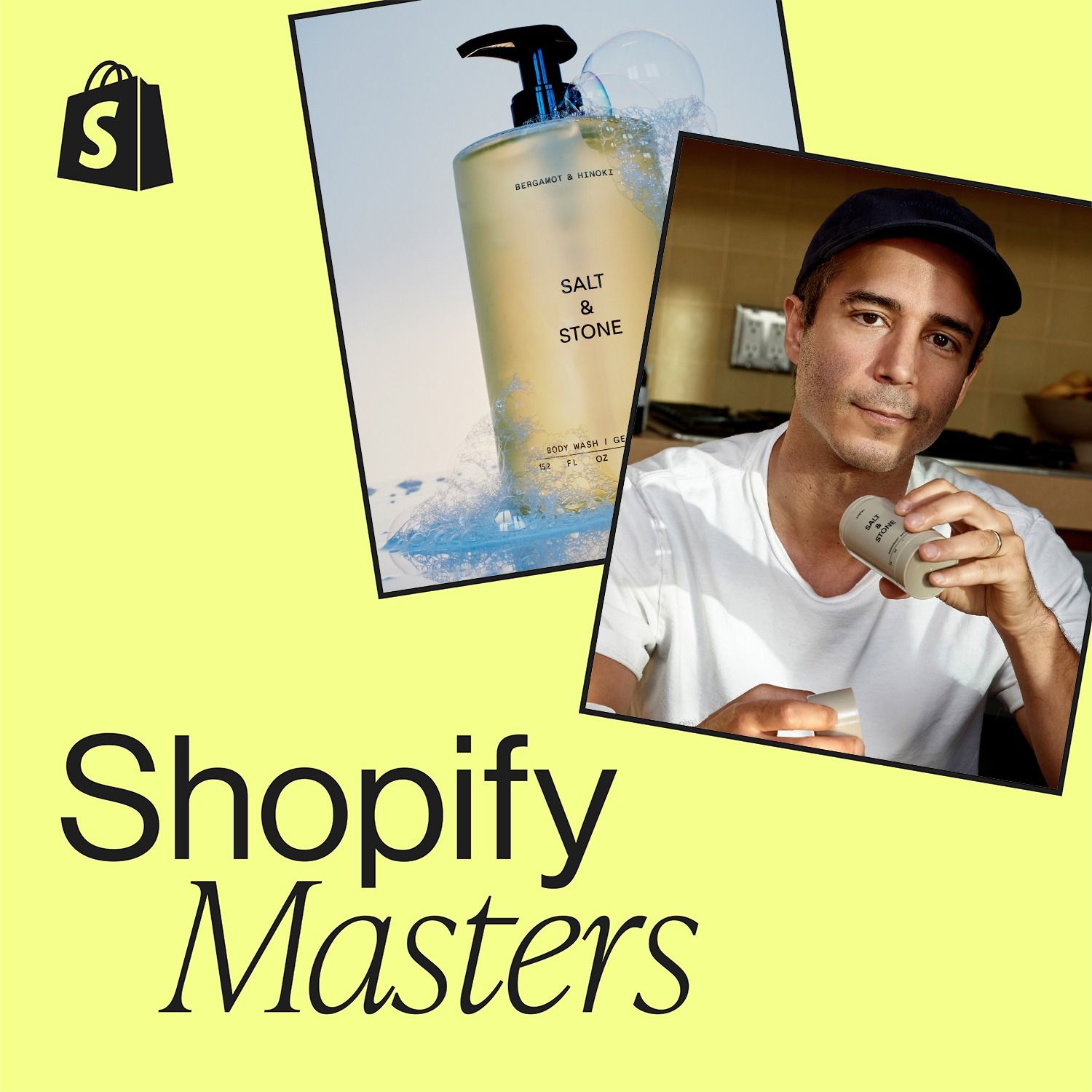
Salt & Stone launched its first deodorant knowing it wasn't the final version. The key was that it was significantly better than any competitor. The founder advises launching a superior product and iterating publicly, rather than waiting for an unattainable state of perfection.
The brand’s first fragrance wasn't born from market research but from the founder's personal need as a makeup artist for a scent that was clean and not overpowering to clients. This hyper-personal origin created a unique product and became a core theme for all future development.

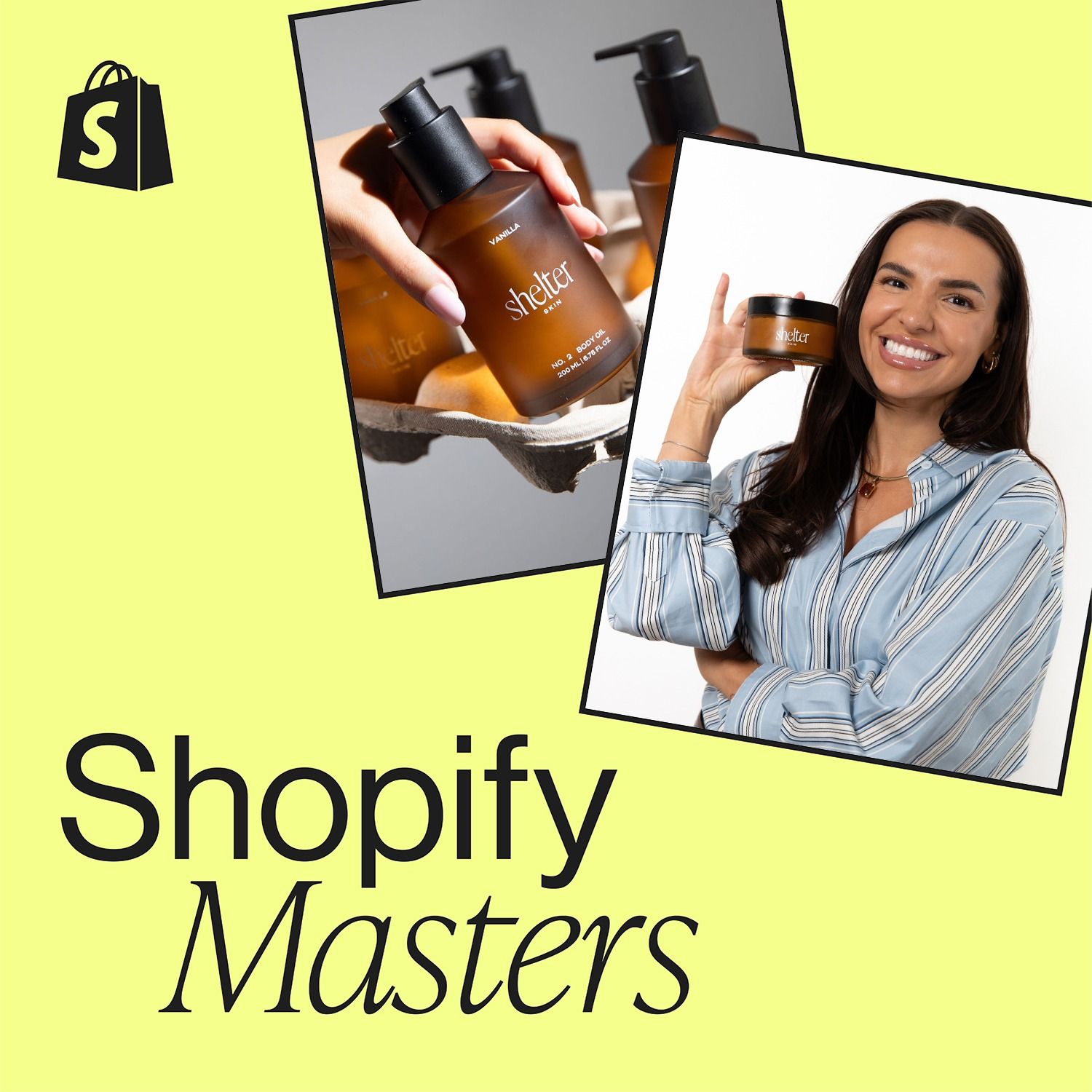
Founder Catherine Lockhart isn't afraid of copycats. She shares her manufacturing process openly, believing the sheer difficulty of execution is a sufficient barrier to entry. This radical transparency builds customer trust and turns potential trade secrets into a powerful marketing asset.
A founder's success is more dependent on the product's intrinsic value than their operational skills. The best marketer cannot overcome the headwind of a mediocre product that doesn't deserve to be on the shelf. A great product creates a natural tailwind, making growth significantly easier and attracting opportunities.
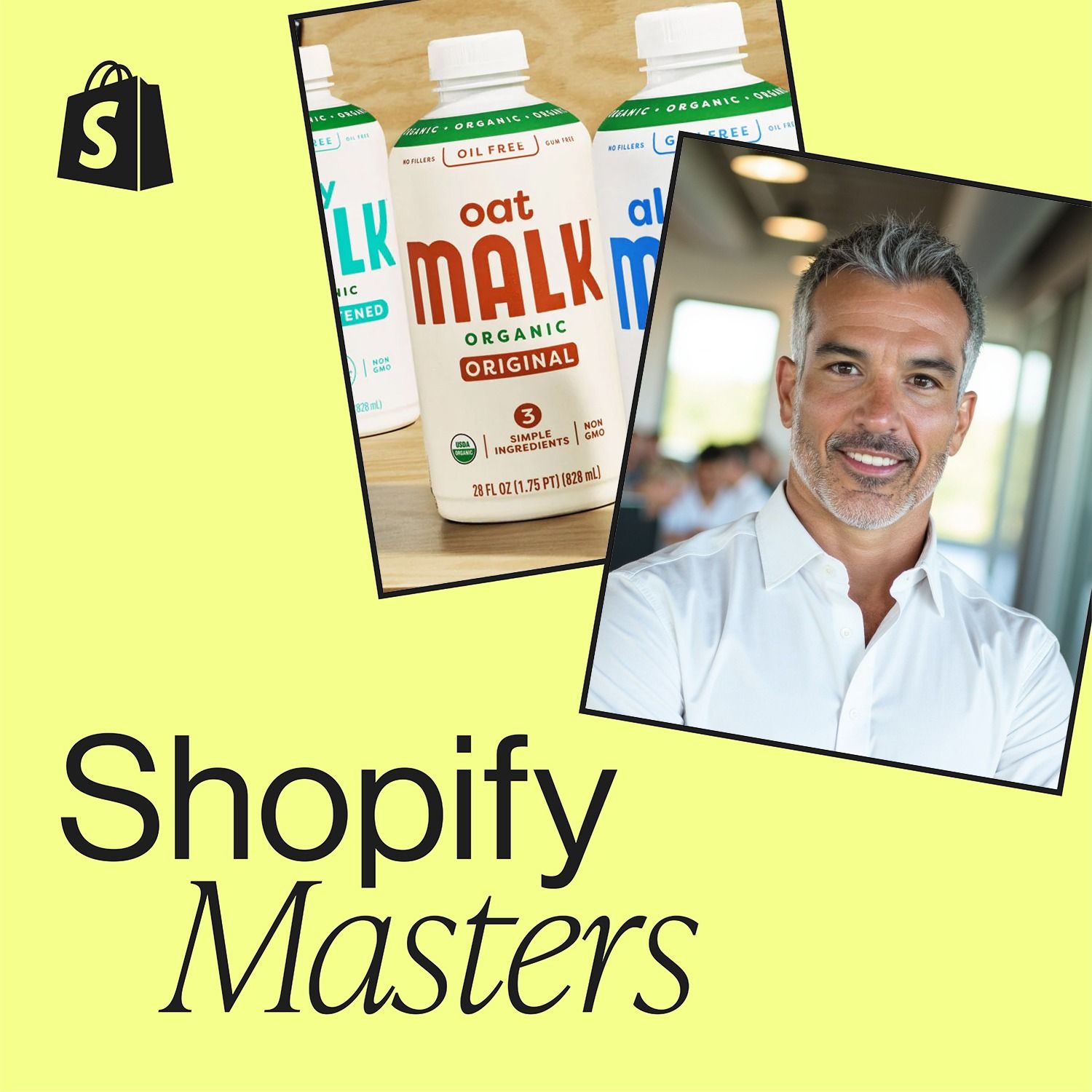
Persisting with a difficult, authentic, and more expensive production process, like using fresh ingredients instead of flavorings, is not a liability. It is the very thing that builds a long-term competitive advantage and a defensible brand story that copycats cannot easily replicate.

To create a brand that outlasts any individual, founder Nima Jalali avoids making his pro-snowboarder background the central marketing story. He believes a brand’s narrative should be bigger than one person's story to achieve true longevity, comparing it to how Apple markets the iPhone, not Steve Jobs.
The founder of BuzzBalls built a massive CPG brand by rejecting the typical asset-light model. By vertically integrating and producing her own patented plastic containers and spirits, she maintained quality control and supply chain reliability. This demonstrates a powerful, though less common, path to success for bootstrapped CPG founders.
Founder Nima Jalali intentionally designed packaging, branding, and content to feel large and established from day one. This strategy attracted customers and premium retailers by projecting success long before the company achieved scale, bucking the trend of appearing like a scrappy startup.