Get your free personalized podcast brief
We scan new podcasts and send you the top 5 insights daily.
Prolific traitor Aldrich Ames was remarkably undisciplined, with a severe alcohol problem and extreme carelessness. His success stemmed not from sophisticated spycraft but a systemic failure within the CIA to investigate or reprimand him for years, despite blatant red flags.

Related Insights
History’s most shocking atrocities are defined less by their authoritarian leaders and more by the 'giant blob of enablers' who facilitate them. The current political climate demonstrates this, where professionals and politicians abdicate their expertise and principles to avoid conflict, becoming complicit in the process and allowing destructive ideologies to gain power.
In analyzing a public scandal, Scott Galloway notes that the greatest damage in a crisis typically isn't the initial event but the subsequent "shrapnel": the attempts to cover up, excuse, or avoid accountability. An effective response requires acknowledging the problem, taking responsibility, and overcorrecting.

Exceptional people in flawed systems will produce subpar results. Before focusing on individual performance, leaders must ensure the underlying systems are reliable and resilient. As shown by the Southwest Airlines software meltdown, blaming employees for systemic failures masks the root cause and prevents meaningful improvement.

Small lies can snowball into major fraud because the brain habituates to the act of lying. With each lie, the emotional centers of the brain that signal negative feelings respond less strongly. This reduction in guilt or discomfort removes the natural barrier to escalating dishonesty.
A former CIA operative suggests that government secrecy is frequently a tool to hide administrative incompetence, premature announcements, or procedural errors, rather than to cover up nefarious, large-scale conspiracies. This perspective reframes public distrust from calculated malice to bureaucratic failure.

The UK government's decision to drop charges against two alleged spies for China created a massive political scandal. Rather than containing the issue, the collapse of the case fueled widespread suspicion that the government was appeasing Beijing. This turned the public focus away from the alleged spies and onto the government's perceived weakness and foreign policy failures.
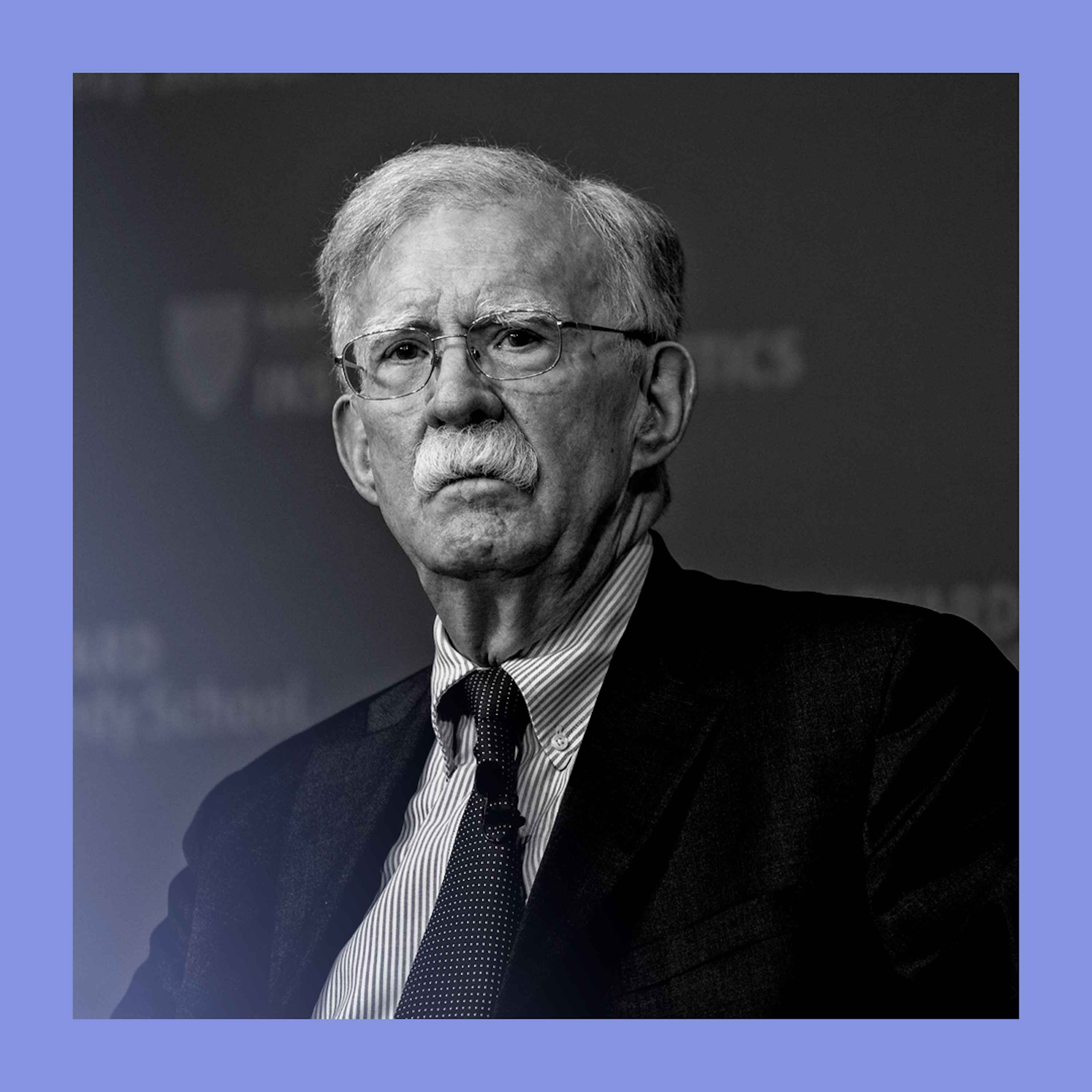
Conspiracy theories are often logically fragile because they require believing in a group of conspirators who exhibit perfect psychopathy, flawless competence, and complete information control over long periods—an impossibly stable combination in the real world.
The US has historically benefited from a baseline level of high competence in its government officials, regardless of party. This tradition is now eroding, being replaced by a focus on loyalty over expertise. This degradation from competence to acolytes poses a significant, underrecognized threat to national stability and global standing.
The inability to execute basic administrative functions, like correctly appointing a prosecutor, is more than just embarrassing—it's a national security risk. It projects weakness and incompetence on the world stage, eroding the 'brand' of American capability and emboldening adversaries who see a clown car instead of a superpower.
Applying Hanlon's Razor ("Don't attribute to malice what is adequately explained by incompetence"), it's more probable that a political figure was killed due to security failures than a complex, flawless conspiracy by a foreign state. Incompetence is statistically more common than a perfectly executed secret plot.