Get your free personalized podcast brief
We scan new podcasts and send you the top 5 insights daily.
Radical acceptance on its own can lead to passivity. The key is pairing it with "availability"—an attitude of being ready to act on opportunities as they arise. This combination creates a powerful state of being calm, present, and poised to make the most of any situation.

Related Insights
Patience becomes a vice (passivity or inaction) when not balanced with courage. Research shows that pursuing goals with both patience and courage leads to success, avoiding the extremes of recklessness (courage alone) or passivity (patience alone).
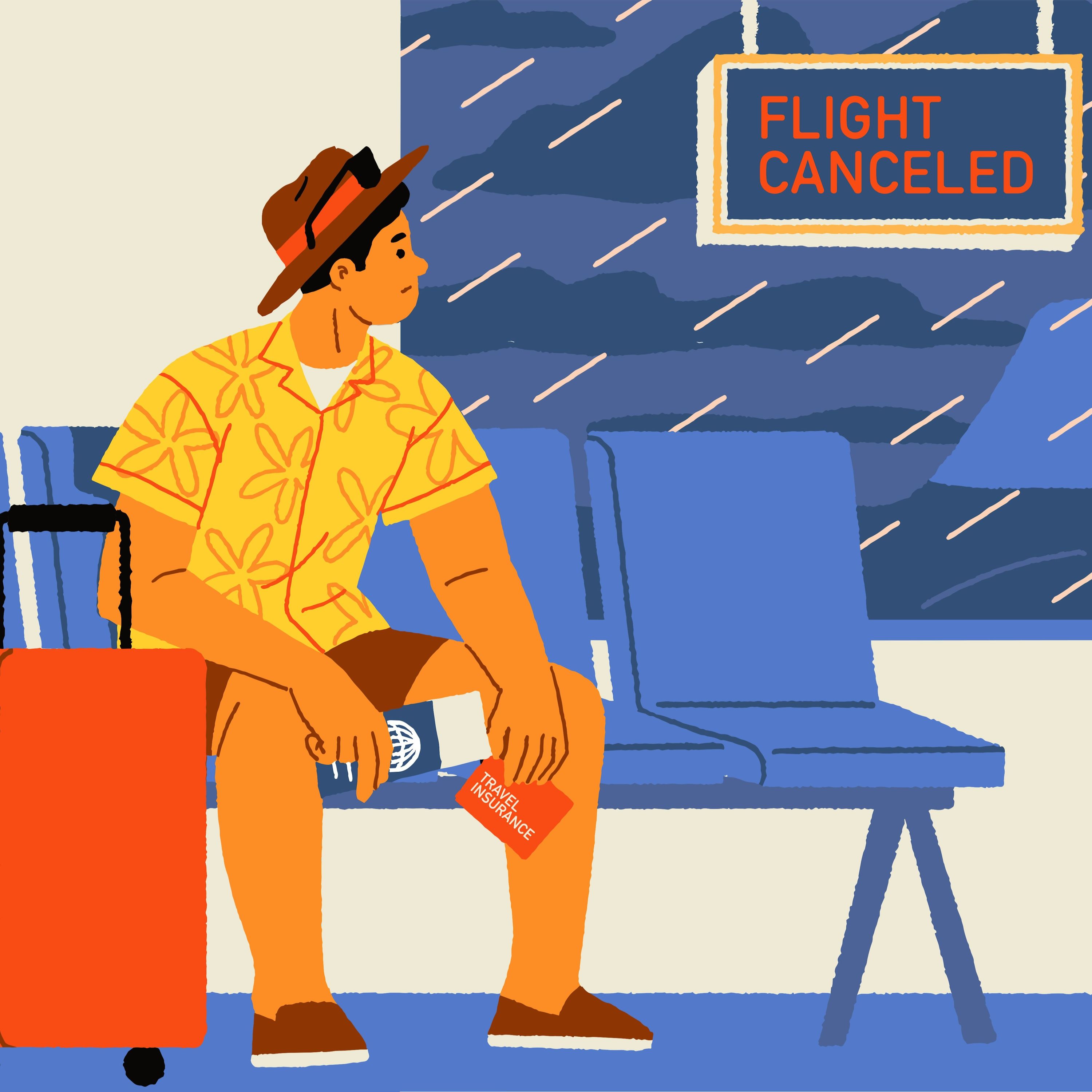
Instead of wishing for circumstances to be a certain way, true peace comes from wanting them to be the way they are and adapting accordingly. This is encapsulated by the mindset of being a "dress for the weather guy"—not preferring hot or cold, but being ready and able to thrive in any condition.

True power comes not from reacting to problems but from anticipating them. By understanding the predictable patterns and challenges in business, relationships, or parenting, you can prepare in advance, which builds certainty and prevents fear-based decision-making.

Feelings of overwhelm and anxiety lead to inaction. Execution, however, should be fact-based, not feeling-based. Meditation is the core discipline for gaining control over your mind, allowing you to detach from emotional reactions and make rational, fact-based decisions that lead to better outcomes.

Contrary to the impulse to eliminate stress, the Zen approach is to learn to permit its presence. By creating space for uncomfortable sensations and including them in your awareness without resistance, you paradoxically reduce their power and de-stress yourself.

We experience every event three times: in anticipation, in the actual moment, and in memory. The key to managing anxiety about the future and regret about the past is to keep these three "trips" distinct. This framework encourages being fully present in the current moment, which is the only one you control.

Contrary to popular belief, accepting reality doesn't lead to inaction. Questioning fearful and limiting thoughts removes the mental clutter that causes procrastination, freeing you to act more decisively and effectively.

This counterintuitive mindset is not about self-blame but about reclaiming control. By accepting that everything in your life is your responsibility, you empower yourself to change your circumstances, rather than waiting for external factors to improve. This agency is the foundation of happiness.

In high-stress situations, attentional resources are depleted. Attempting to force a positive reframe ("this is exciting, not scary") is cognitively expensive and can degrade performance further. A mindful, non-judgmental acceptance of the situation is less taxing and more effective at preserving cognitive function.

Since human life is finite, you will inevitably "fail" to do everything you want to do. Accepting this isn't depressing; it's liberating. It frees you from the constant, anxious struggle to avoid failure, allowing you to relax and focus on doing what truly matters with the time you have.
