Get your free personalized podcast brief
We scan new podcasts and send you the top 5 insights daily.
A contrarian theory suggests the US "reshoring" narrative is a cover for shifting manufacturing from China to allies like Japan and Korea. This requires those nations to devalue their currencies to make their goods cheap enough for US consumption, representing a new form of financial warfare.

Related Insights
The narrative of a coordinated "Plaza 2.0" style agreement to weaken the US dollar is likely flawed. The US chose to secure investment commitments from countries like Japan and Korea in recent trade deals, rather than pushing for currency appreciation, indicating its true policy priority.

The trend of moving manufacturing to countries like Mexico or Vietnam to avoid China tariffs is often driven by Chinese companies themselves. They establish clone factories abroad, sometimes with Chinese labor, meaning the economic benefits largely still flow back to China.

The concept of 'weaponized interdependence,' highlighted by China's use of export controls, is driving Asian nations like Japan, India, and South Korea to implement economic security acts. This shifts investment toward domestic supply chains in critical minerals, semiconductors, and defense, creating state-backed opportunities.

Modern global conflict is primarily economic, not kinetic. Nations now engage in strategic warfare through currency debasement, asset seizures, and manipulating capital flows. The objective is to inflict maximum financial damage on adversaries, making economic policy a primary weapon of war.

While publicly announcing a trade truce with China, the Trump administration simultaneously signed deals with other Asian nations to diversify supply chains and bolster defense partnerships, effectively preparing for future confrontation with Beijing.
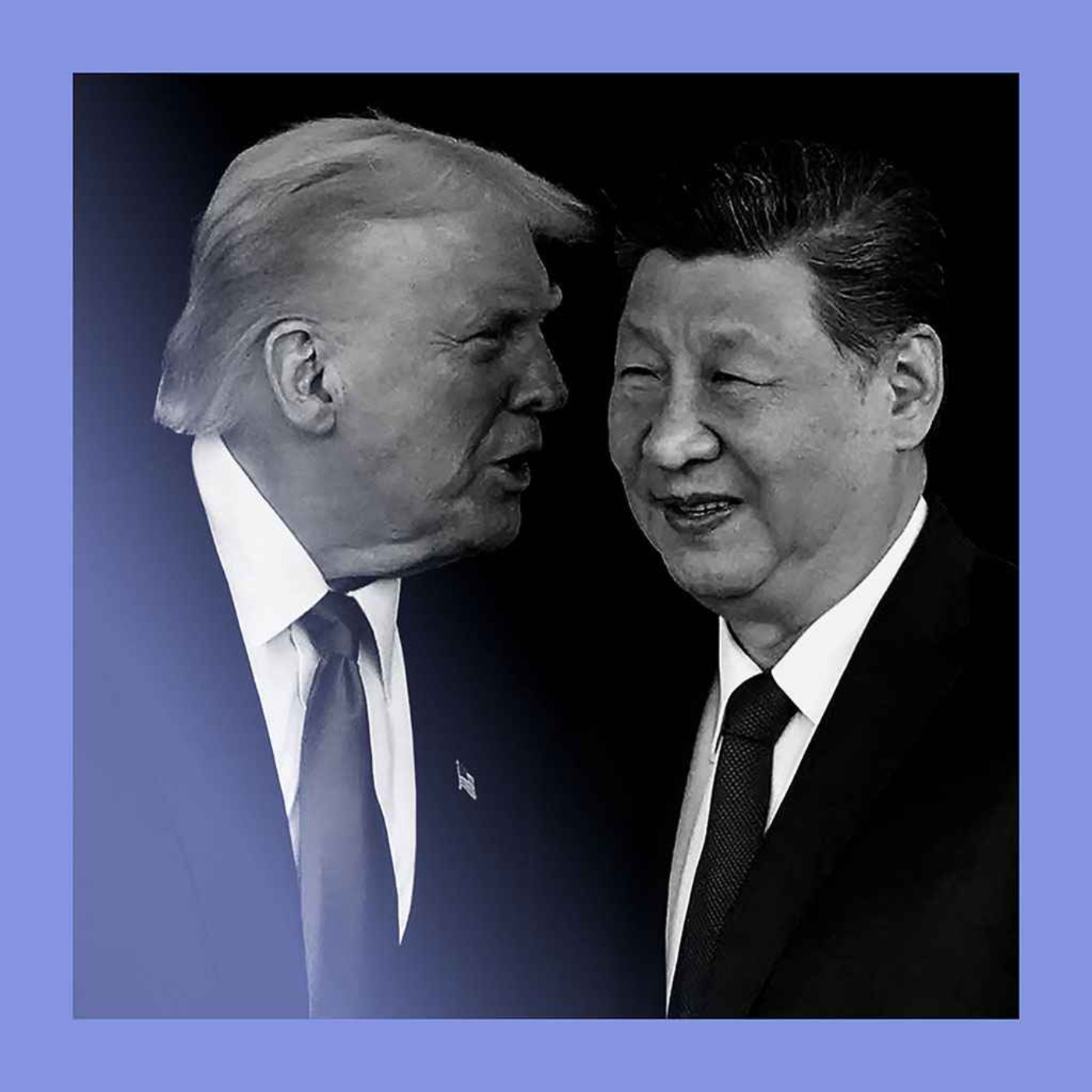
The U.S. industrial strategy isn't pure "reshoring" but "friend-shoring." The goal is to build a global supply chain that excludes China, not to bring all production home. This creates massive investment opportunities in allied countries like Mexico, Vietnam, Korea, and Japan, which are beneficiaries of this geopolitical realignment.

The US is signaling a major shift from its long-standing 'King Dollar' policy. By being willing to devalue the dollar, it can strategically intervene in currency markets to bolster allies like Japan while simultaneously hurting economic adversaries like China by making US manufacturing more competitive.

Facing China's export restrictions on rare earth metals, the U.S. immediate strategy is "ally-shoring": striking a major deal with Australia. This secures the supply chain through geopolitical partnerships as a faster, more pragmatic alternative to the long process of building domestic capacity from scratch.

Redirecting trade from direct routes (e.g., China to US) to less direct ones through friendly nations makes logistics less efficient. For a given volume of trade, this inefficiency requires more infrastructure like shipping containers to support it, creating a significant investment opportunity.

The primary goal of certain US tariffs is not to generate revenue but to strategically weaken China's economy. By incentivizing US businesses to leave China, the US aims to slow its rival's growth, thereby protecting the dollar's global reserve status from the rising yuan.
