Get your free personalized podcast brief
We scan new podcasts and send you the top 5 insights daily.
The complexity of B2B sales is quantifiable. LinkedIn data reveals an average deal cycle of 211 days with 22 influencers, half of whom are external to the buyer's company. This highlights the need for long-term brand building and influencing a wide network, not just the primary contact.

Related Insights
Because B2B buying cycles are long, one-off influencer posts are less effective. A recurring presence over 3-6 months or longer builds trust and keeps the brand top-of-mind for when buyers are actually in-market.
The B2B sales channel has evolved from a linear reseller model to a complex ecosystem. Deals are now shaped by multiple, often unknown, partners like consultants and system integrators. Vendors must act like detectives to map this hidden influence network to succeed.

In B2B sales with multiple decision-makers, tracking individual MQLs is a "lazy metric" that misrepresents buying intent. Success depends on identifying and engaging the entire buying group. Marketing's goal should be to qualify the group, not just a single lead.

Sales cycles are lengthening because decisions now involve large committees (7-8 people) where no single individual wants to take the risk of making a bad choice. Sellers must navigate this group dynamic by building consensus and multi-threading effectively.

In complex enterprise sales, don't rely solely on your champion. Proactively connect with every member of the buying committee using personal touches like video messages. This builds a network of allies who can provide crucial information and help salvage a deal if it stalls.
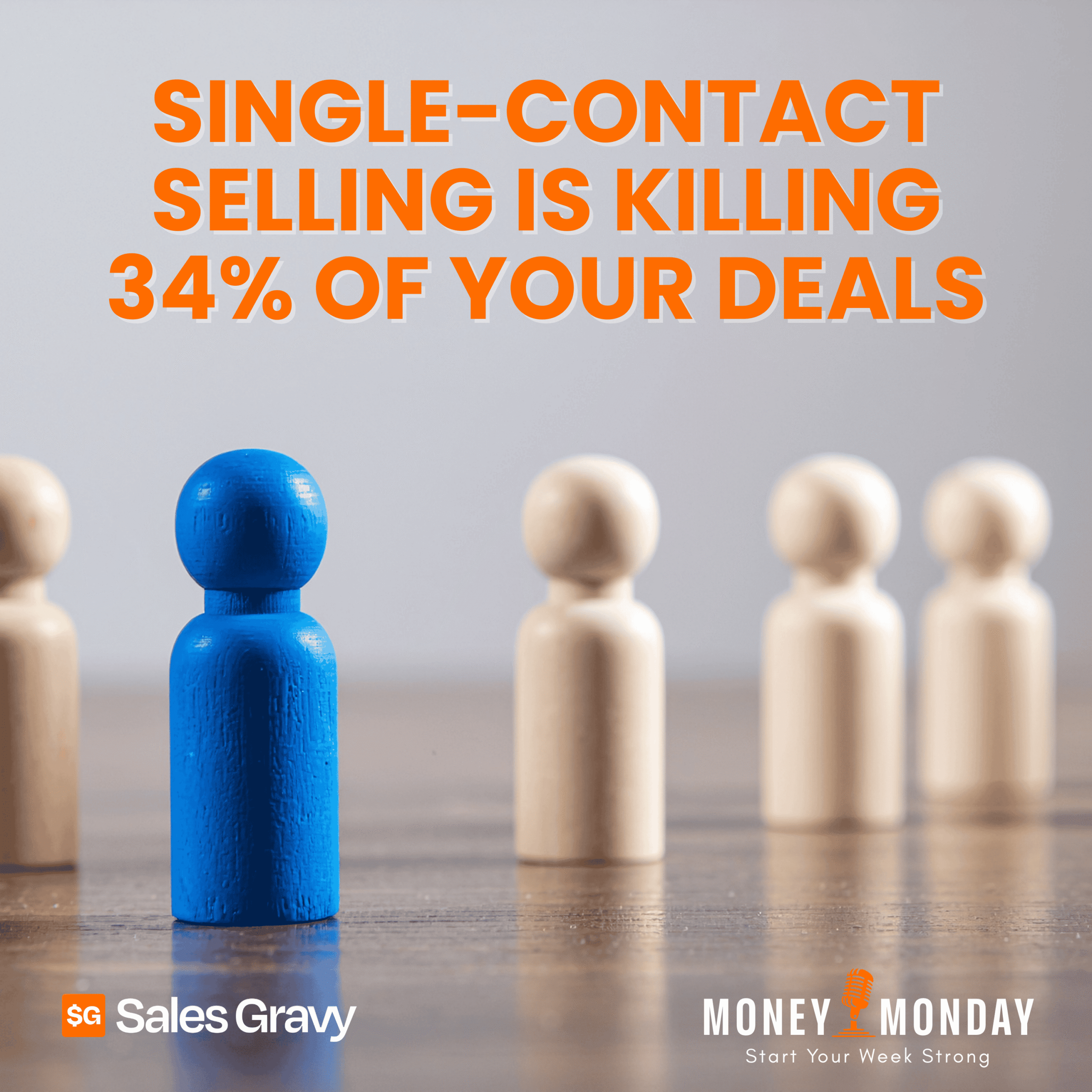
Data from LinkedIn Sales Solutions reveals sales teams engaging multiple stakeholders are 34% more likely to win a deal. This counters the common strategy of focusing on a single champion, as complex buying decisions typically involve four to seven influencers. A singular connection is fragile, whereas a web of connections is resilient.
The buying committee is larger than just the key contacts sales engages. Hidden influencers, particularly in procurement, play a crucial role. If they have no brand awareness or trust in your company when the deal reaches their desk for final approval, they can single-handedly block it.

In a competitive deal, the winning vendor is often the one everyone at the decision table already knows and trusts. Use platforms like LinkedIn to build broad visibility and credibility across the organization, not just with your main contact. When decision-makers are familiar with your content and value, you become the default, trusted choice.

Modern B2B buying isn't a linear path from a Google search to a demo. Buyers piece together their understanding from disparate, trusted sources like LinkedIn DMs, peer comments, and Slack communities. Marketing must meet them in these channels to be visible and earn trust.
Successful social selling on LinkedIn is a long-term strategy, not a quick sales tactic. Analysis shows it takes approximately 320 days from initiating a value-driven content campaign to closing new business. Attempting to generate leads in under six months is the wrong approach and will likely fail.
