Get your free personalized podcast brief
We scan new podcasts and send you the top 5 insights daily.
Malone understood that different company stages require different leaders. He was a financial engineer for TCI's scale-up phase, but he brought in an operational expert like Tom Rutledge for Charter's rebuild, demonstrating an ability to step back and install the right talent for the job.

Related Insights
For a mature company like Apple, the ideal successor to an operator like Tim Cook may not be a risk-taking visionary. A leader like John Ternus, known for maintaining products and driving margins, can be more valuable for sustaining dominance and incremental growth in established markets.

Business growth strategist Pat Alacqua outlines a 5-phase journey from startup to enterprise. Leaders often fail to advance because the skills that created success in one phase (e.g., 'hustle') become a liability in the next (e.g., 'systems'). Personal transformation must precede business transformation.

The founder journey requires different skills at different stages. Instead of being a generalist CEO for ten years, founders can specialize in the chaotic 0-to-1 phase. By repeatedly building companies to initial traction and then handing them off, they get more reps and build deep expertise.

To transition from working 'in the business' to 'on the business,' Snowflake's CRO was told his hands-on, 'deal hound' approach wouldn't work at scale. The solution was to hire other capable 'drivers,' trust them to do their jobs, and hold them accountable. If a leader has to do their team's job, it's a problem with the team member.

Snowflake's CRO, Chris Degnan, kept his job through multiple growth stages where he could have been replaced. His longevity wasn't due to a pre-existing "scale" playbook, but his intense coachability and ability to "morph" and adapt his strategies based on direct feedback from the board and new leadership.
Unlike a functional manager who can develop junior talent, a CEO lacks the domain expertise to coach their entire executive team (e.g., CFO, VP of HR). A CEO's time is better spent hiring world-class leaders who provide 'managerial leverage' by bringing new ideas and driving their function forward, rather than trying to fix people in roles they've never done.

As companies grow from 30 to 200 people, they naturally become slower. A CEO's critical role is to rebuild the company's operating model, deliberately balancing bottom-up culture with top-down strategic planning to regain speed and ensure everyone is aligned.

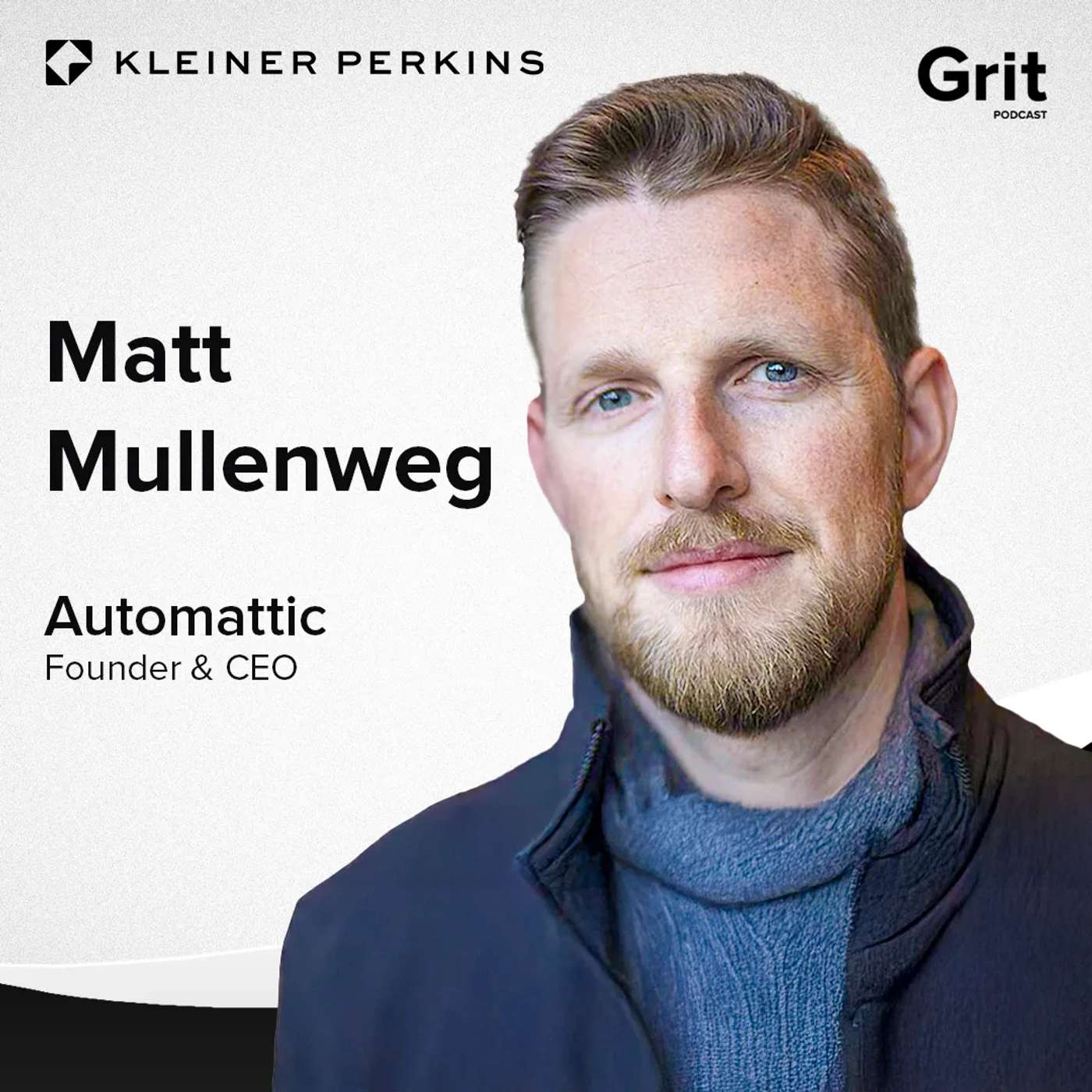
Counter to the modern "founder-led" mantra, a 20-year-old Matt Mullenweg hired an experienced CEO to run Automattic. This "Google era" model prioritized veteran leadership to scale the company, allowing the young founder to focus on product before eventually taking back the reins.
After eight years of grinding, the founder recognized he had taken the company as far as his skillset allowed. Instead of clinging to control, he proactively sought an external CEO with the business acumen he lacked, viewing the hire as a "life preserver" to rocket-ship the company's growth.

When Vivtex's scientific founder became CEO, his most critical move was hiring an experienced finance and operations leader. This structure allows the CEO to leverage deep technical insight for strategic partnerships, while delegating operational complexities they are less equipped to handle.
