Get your free personalized podcast brief
We scan new podcasts and send you the top 5 insights daily.
The ideology of "wokeism" is positioned as a departure from traditional liberalism. While classical liberalism champions color-blind equality and individual merit, wokeism accentuates group differences based on race and gender. This focus on group identity is seen as a divisive tool used to expand state control over people's lives.

Related Insights
A faction on the right is adopting the language of oppression and victimhood, creating a "woke right." If mainstream conservatives fail to reject this identitarian fringe, they risk polluting their entire movement and losing the support of the moderate majority, repeating the same mistake that damaged the left.

A fringe element of the political right is beginning to mirror the 'woke left' by adopting similar tactics. This includes a focus on identity-based victimhood narratives and a preference for destroying and deplatforming opponents rather than engaging them in genuine debate.

Politicians use divisive identity politics, focusing on powerless minorities, as a strategic distraction. By demonizing groups like immigrants or trans people, they redirect public frustration away from their failure to address fundamental economic problems like stagnant wages and unaffordable housing.
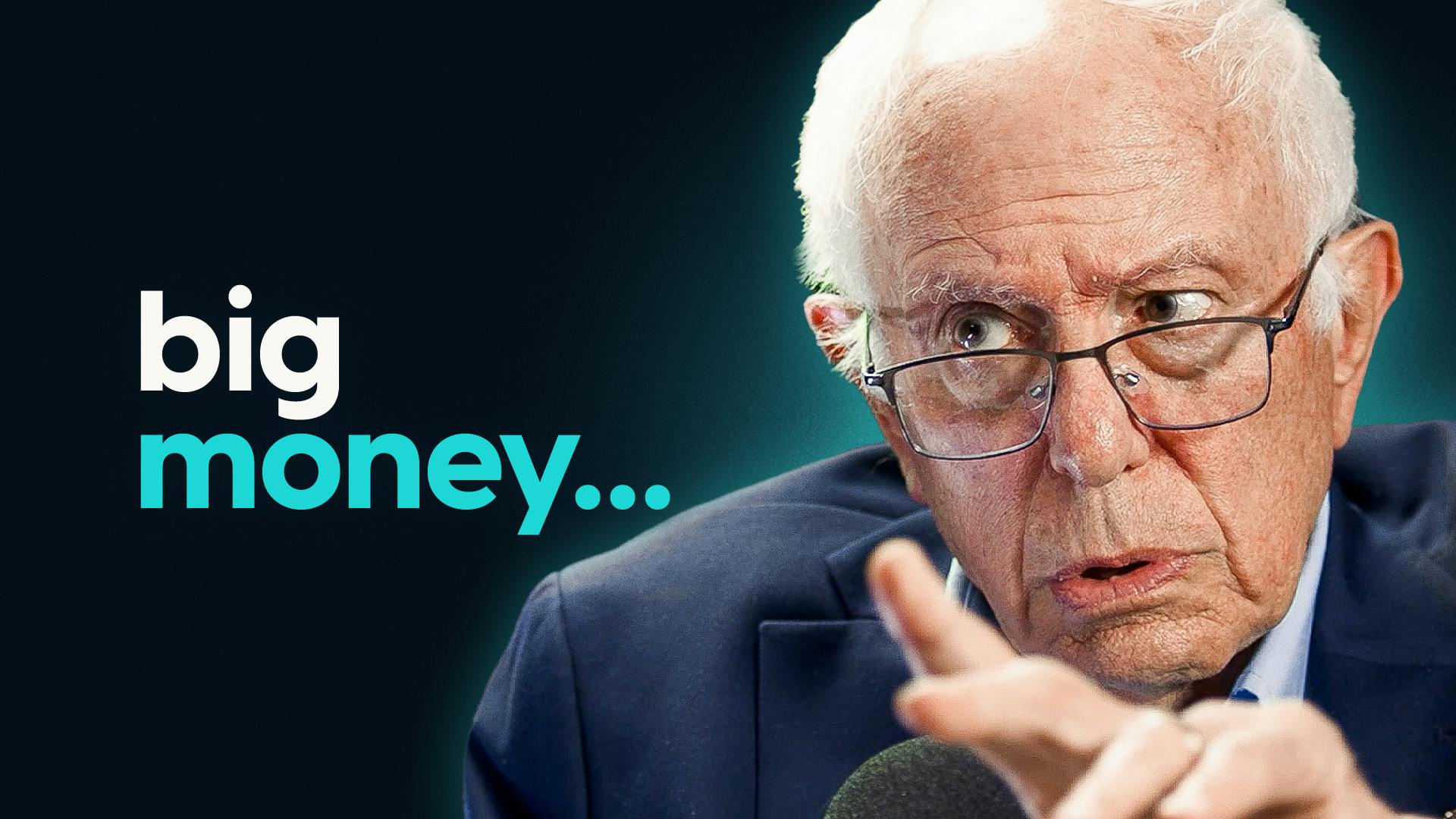
Since the 1990s, the left has shifted from material concerns like wages to identity politics expressed in exclusionary academic rhetoric. This has actively repelled the working-class voters it historically championed and needs for a majority coalition.
The hosts argue that movements against "wokeness," often championed by self-proclaimed classical liberals, create a moral panic that results in extreme actions. This can lead to unintended consequences like censoring classical philosophy, which then surprises the movement's originators.

John McWhorter argues that seemingly separate cultural flashpoints—from the George Floyd protests to campus support for Hamas—are driven by the same core ideology. This worldview prioritizes battling perceived power imbalances, especially related to 'whiteness,' above all other considerations, including reason or facts.
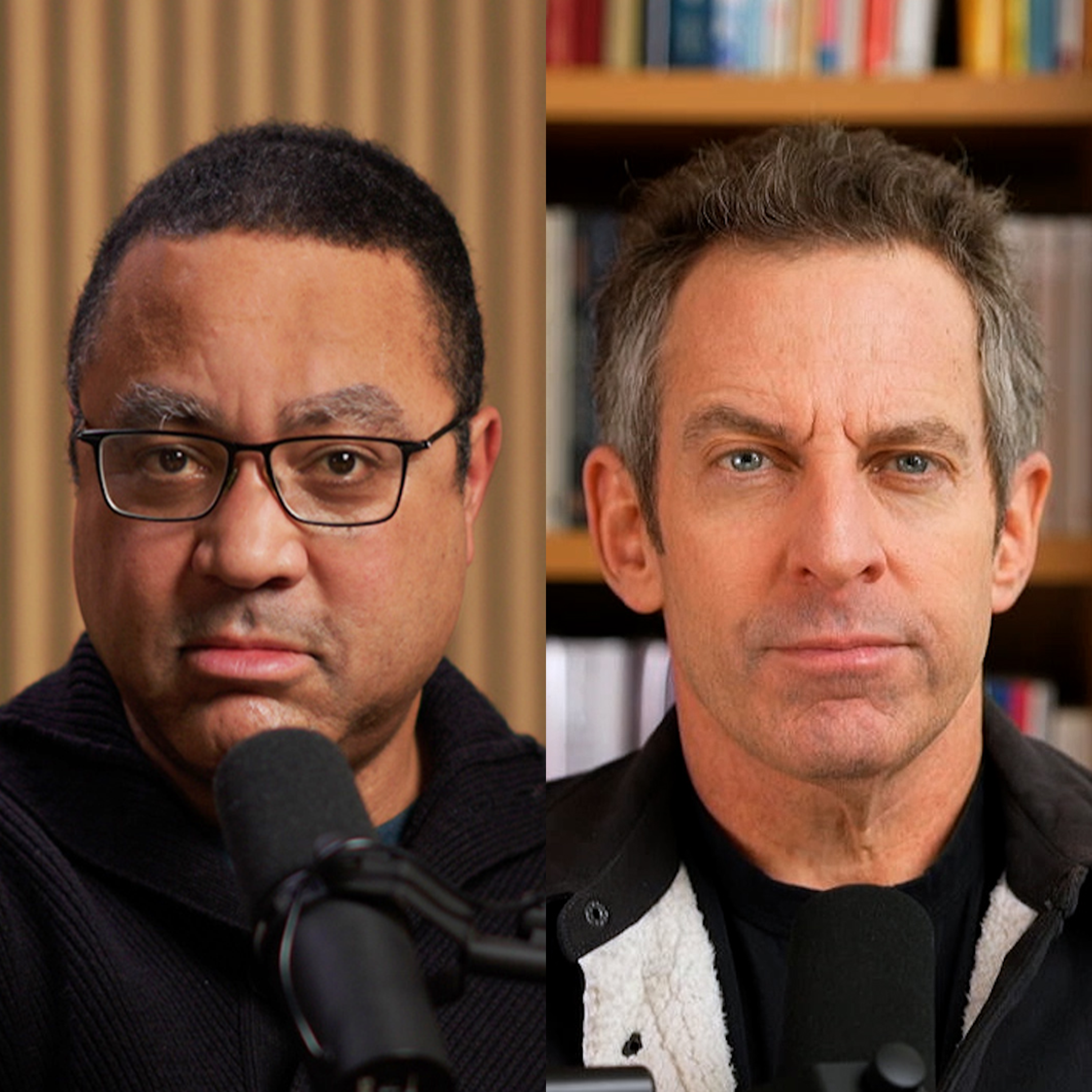
As the internet decimated Democratic strongholds like legacy media, 'wokeness' was deployed as an ideological weapon against Republicans, and the 'techlash' was used against the internet itself. These cultural movements were defensive reactions to economic disruption, not merely social trends.

The notion that identitarianism is exclusive to the left ("woke") is outdated. A powerful, mirrored version has solidified on the right ("Groypers"), indicating that identity-based politics has become a central, and polarizing, framework across the entire political spectrum.
The recent wave of Republican-led state laws censoring university curricula is so severe it has shocked even conservative thinkers who previously advocated for reforms against "wokeism." They see the new laws not as a needed correction, but as a radical overreach that has crowded out more moderate reformers.

In Europe and Canada, concepts like DEI and multiculturalism are weaponized by an expanding bureaucratic class. They justify their power by punishing ordinary citizens who express a desire for national identity, using virtue signaling to mask authoritarian overreach.