Get your free personalized podcast brief
We scan new podcasts and send you the top 5 insights daily.
When founders have a robust, long-term plan and can see their company's future, they refuse even lucrative acquisition offers. Selling, as Peter Thiel notes from his Facebook board experience, is often a sign that the founder's vision has run out.

Related Insights
When a potential acquirer asked for his exit strategy, Kevin Mandia laughed. For him, Mandiant was his life's work and what he did for a living, not a project designed for a financial exit. This mindset separates founders focused on building a craft from those optimizing for a sale.
Founders who sell their single best idea often struggle through decades of working on lesser second and third acts. The observation is that one cannot recapture that original magic, suggesting founders should never get out of the game on their primary creation.

Despite having sold multiple companies, founder Scott Davis's core philosophy is to build a business as if he will own it forever. He argues that focusing on an exit is a "perverse" mindset that distracts from the primary goal: providing genuine, sustainable value to customers, which is the ultimate driver of a company's worth.

Taking a small amount of money off the table via a secondary sale de-risks a founder's personal finances. This financial security empowers them to reject large acquisition offers and pursue a long-term, independent vision without the pressure of life-changing personal wealth decisions.
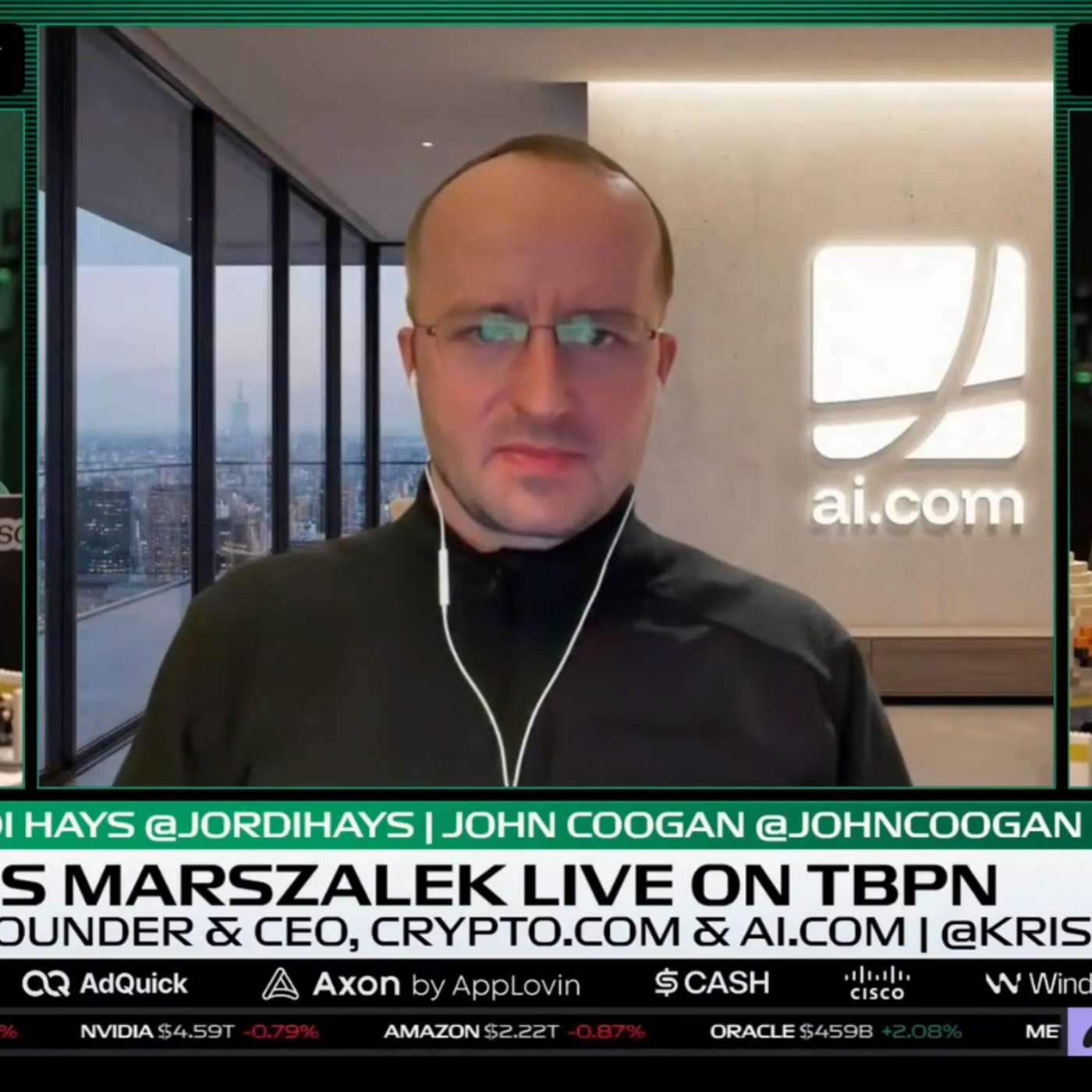
Immediately after acquiring AI.com for $70M, the founder received and rejected an offer exceeding $500M. This demonstrates extreme long-term conviction, prioritizing the potential of building a platform over a massive, quick profit.
An acquisition should be a potential outcome, not the core strategy. Companies built with the intention of being sold often fail to play out satisfactorily. The most valuable companies are built with the conviction and operational mindset to become fully integrated, standalone entities.

Despite his immense wealth, Matt Paulsen has no plans to sell his company. He equates the business to one of his own children, driven by a deep love for operating it rather than a financial exit strategy. This challenges the common "build-to-sell" mentality prevalent in entrepreneurship.

In an environment where Big Tech acquires promising AI startups, building an independent company requires intrinsically mission-driven founders. Factory's CEO argues a founder's "relentlessness" is the key defense against lucrative but mission-derailing acquisition offers.

When asked when founders should sell, Glenn Fogel pushes back on a universal rule. He advises founders to look inward: Is your goal simply to make money, or to build something that matters? The answer depends on what you want to do with your limited time and what gives you meaning.

Many founders sell companies for tens or hundreds of millions, only to see them become worth billions later. The key differentiator for those who reach the highest echelons of success is often an uncommon level of endurance, staying in the game long after others would have cashed out.
