Get your free personalized podcast brief
We scan new podcasts and send you the top 5 insights daily.
While competitors can replicate features, it's much harder to copy a genuine emotional bond with users. A product experience that provides a sense of empowerment and self-actualization creates an "emotional moat." This deep resonance becomes a significant competitive advantage by establishing high switching costs rooted in personal identity.

Related Insights
In a market saturated with products offering similar functional benefits, consumers make choices based on 'emotional ROI.' Brands must dig deeper than features and tap into the underlying emotional reasons for a purchase, connecting their purpose to the consumer's personal aspirations and feelings.

A strong brand community cannot be replicated because it's built on a shared emotion and identity, not just a product. Inde Wild, for example, successfully cultivated feelings of Indian pride and a 'cool girl' identity. This emotional connection is a powerful, long-term moat that competitors cannot easily copy.

In markets saturated with similar product features, true differentiation comes from personality. Brands must find their "inner weird" and the human, universal truths that create an emotional connection, rather than focusing only on technical specs.

True differentiation comes from "deep delight," where emotional needs are addressed within the core functional solution. This is distinct from "surface delight" like animations or confetti, which are nice but fail to build the strong emotional connections that drive loyalty.
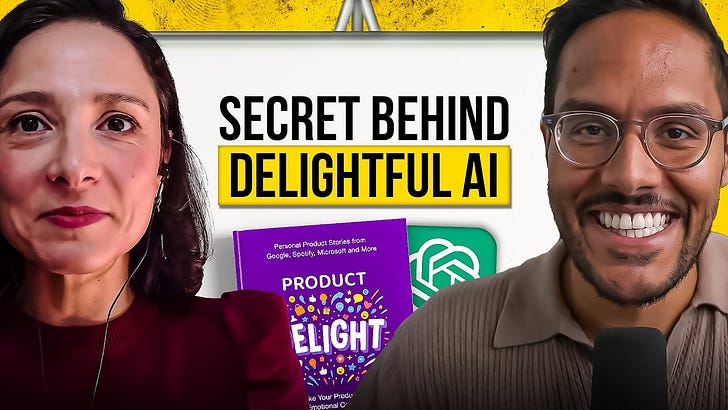
While functional value is a prerequisite, products failing to connect with customers emotionally are vulnerable. Competitors who successfully address emotional needs—like reducing anxiety, offering rewards, or providing appealing aesthetics—can easily win market share, as emotional resonance is a powerful differentiator.
Sam Altman argues that beyond model quality, ChatGPT's stickiest advantage is personalization. He believes as the AI learns a user's context and preferences, it creates a valuable relationship that is difficult for competitors to displace. He likens this deep-seated loyalty to picking a toothpaste brand for life.

In a crowded market, brand is defined by the product experience, not marketing campaigns. Every interaction must evoke the intended brand feeling (e.g., "lovable"). This transforms brand into a core product responsibility and creates a powerful, defensible moat that activates word-of-mouth and differentiates you from competitors.

With foundation models making technical features easy to copy, the sustainable advantage for AI companies lies in deep customer understanding. Serval's CEO stays in over 100 customer Slack channels daily to build this "customer insight" moat, which is harder to replicate than any product feature.
ChatGPT's defensibility stems from its deep personalization over time. The more a user interacts with it, the better it understands them, creating a powerful flywheel. Switching to a competitor becomes emotionally difficult, akin to "ditching a friend."
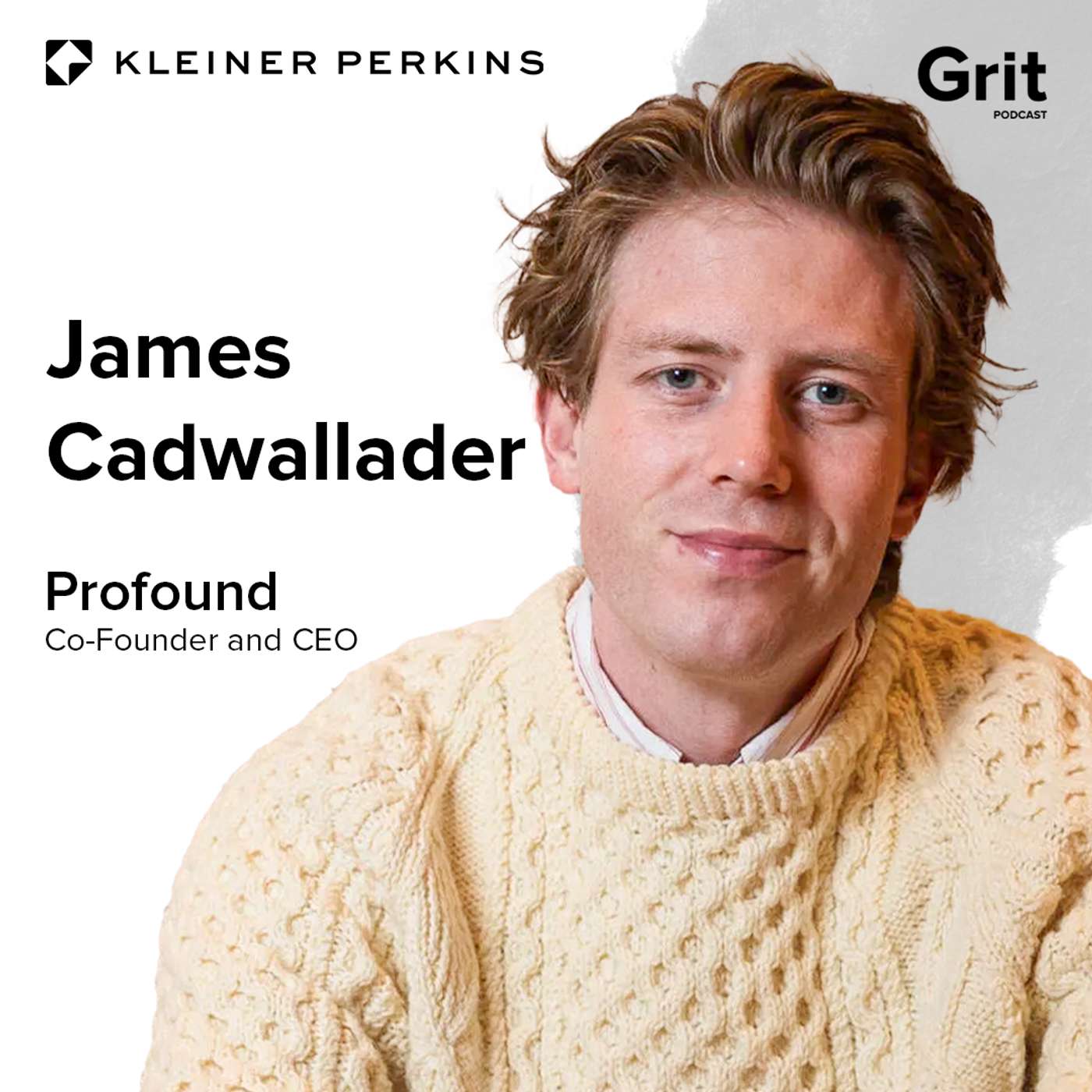
Move beyond listing features and benefits. The most powerful brands connect with customers by selling the emotional result of using the product. For example, Swishables sells 'confidence' for a meeting after coffee, not just 'liquid mouthwash.' This emotional connection is the ultimate brand moat.
