Get your free personalized podcast brief
We scan new podcasts and send you the top 5 insights daily.
Starting during the financial crisis forced Zalando's founders to intensely scrutinize every expense, such as debating a €60 report. This ingrained a culture of frugality and resourcefulness that has remained a core part of their identity even at massive scale, where every euro is treated like their own.
Related Insights
Strict rules can be penny-wise and pound-foolish (e.g., saving on a hotel but losing a deal). The ideal is a shared cultural understanding—a "moral code"—where employees act like owners. Technology can provide context and transparency to foster this culture at scale.
The initial period of struggle and repeated failures, while painful, is what forges a resilient team and a strong, frugal company culture. These early hardships create shared experiences that define the company's DNA for years to come.

After 17 years, Zalando's co-founder believes the key traits for founders are curiosity and humility. Curiosity enables learning from everyone and making good decisions, while humility ensures respect for challenges and prevents overconfidence from past successes.
After nearly failing, OpenGov adopted a frugal culture and discovered it grew faster. Less spending reduces system noise and inefficiency. A leaner, more focused sales team, for instance, can become more motivated and effective, leading to better results.

A near-bankruptcy experience instilled in Ed Stack an aversion to debt. This "paranoid" financial discipline, while criticized by Wall Street as suboptimal, became a key strategic advantage. By self-funding growth, Dick's maintained control and agility, allowing it to survive downturns that crushed its highly-leveraged competitors.
![Ed Stack: Lessons from Dick’s Sporting Goods [Outliers] thumbnail](https://megaphone.imgix.net/podcasts/2e1ece1e-9418-11f0-a293-fbf26a5641f7/image/c326da117a8c3f34b0eb64d2cab694ad.png?ixlib=rails-4.3.1&max-w=3000&max-h=3000&fit=crop&auto=format,compress)
Many well-funded startups fail by overspending. True frugality—crappy furniture, no fancy PR firms—is a sign of discipline and focus on what truly matters. It is rare for an investor to think a founder is too cheap.
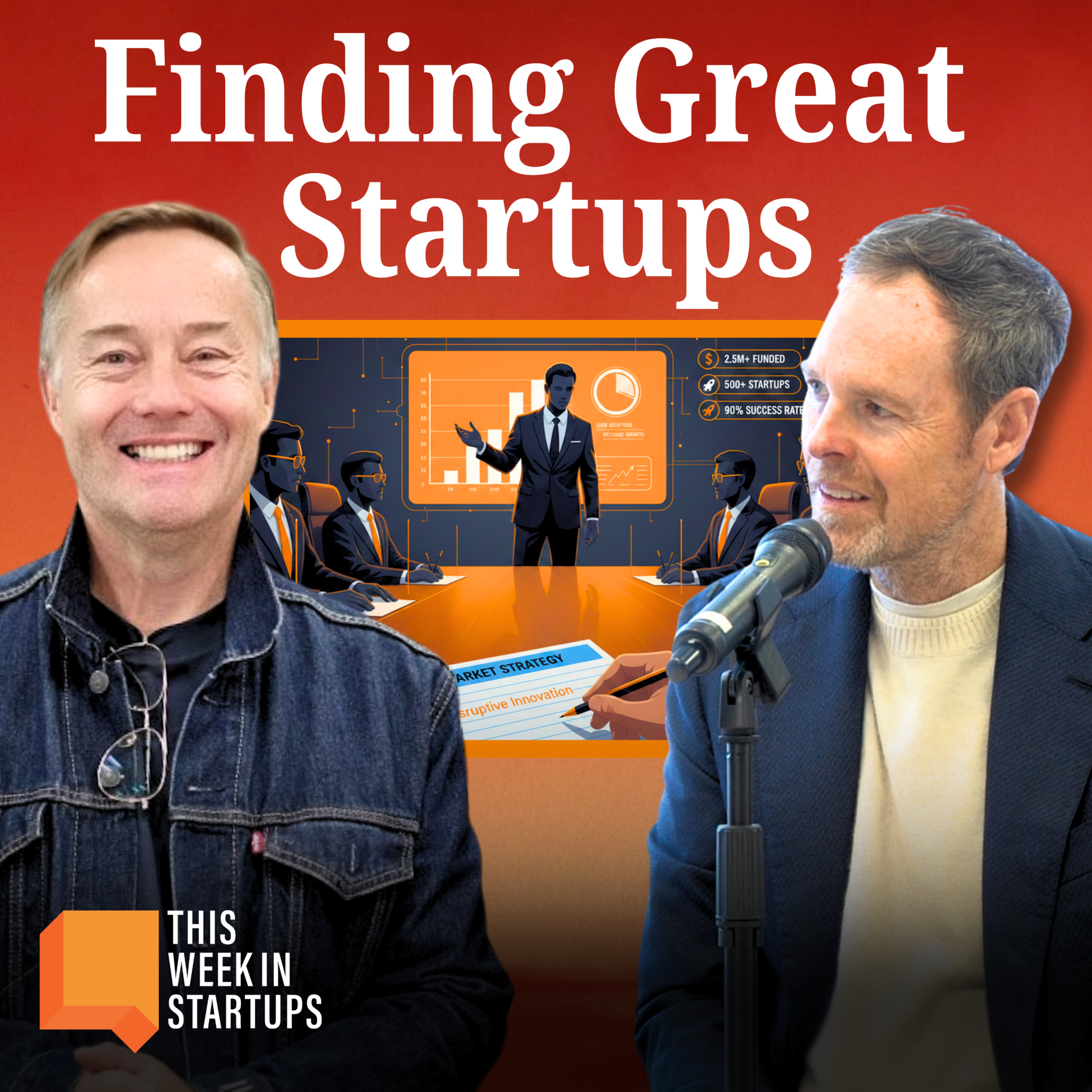
Launching during a downturn can be advantageous. With less competition, a compelling story can gain significant PR traction. Larroudé's founders leveraged the 2020 pandemic when other brands were silent, mirroring the retail boom that followed the 2008 crisis.
Daniel Lubetzky built his company by being resourceful, like using free furniture. Now a billionaire, he still avoids waste not because he has to, but as a core principle. This mindset trains the "muscle" for making deliberate choices, a skill he believes is critical for business and life.

David Cohen observes that founders who are inherently frugal or "stingy" with capital—spending only when absolutely necessary—often achieve better outcomes. This mindset, focused on capital preservation and efficiency, is a more powerful indicator of success than simply raising large rounds to fuel growth, a trait he has seen in his own entrepreneurial career.

A strong culture isn't defined by perks during good times; it's proven by how the team operates during crises. Companies that face significant struggles early in their journey often develop a more resilient and authentic culture, which becomes a crucial asset for long-term survival and success.