Get your free personalized podcast brief
We scan new podcasts and send you the top 5 insights daily.
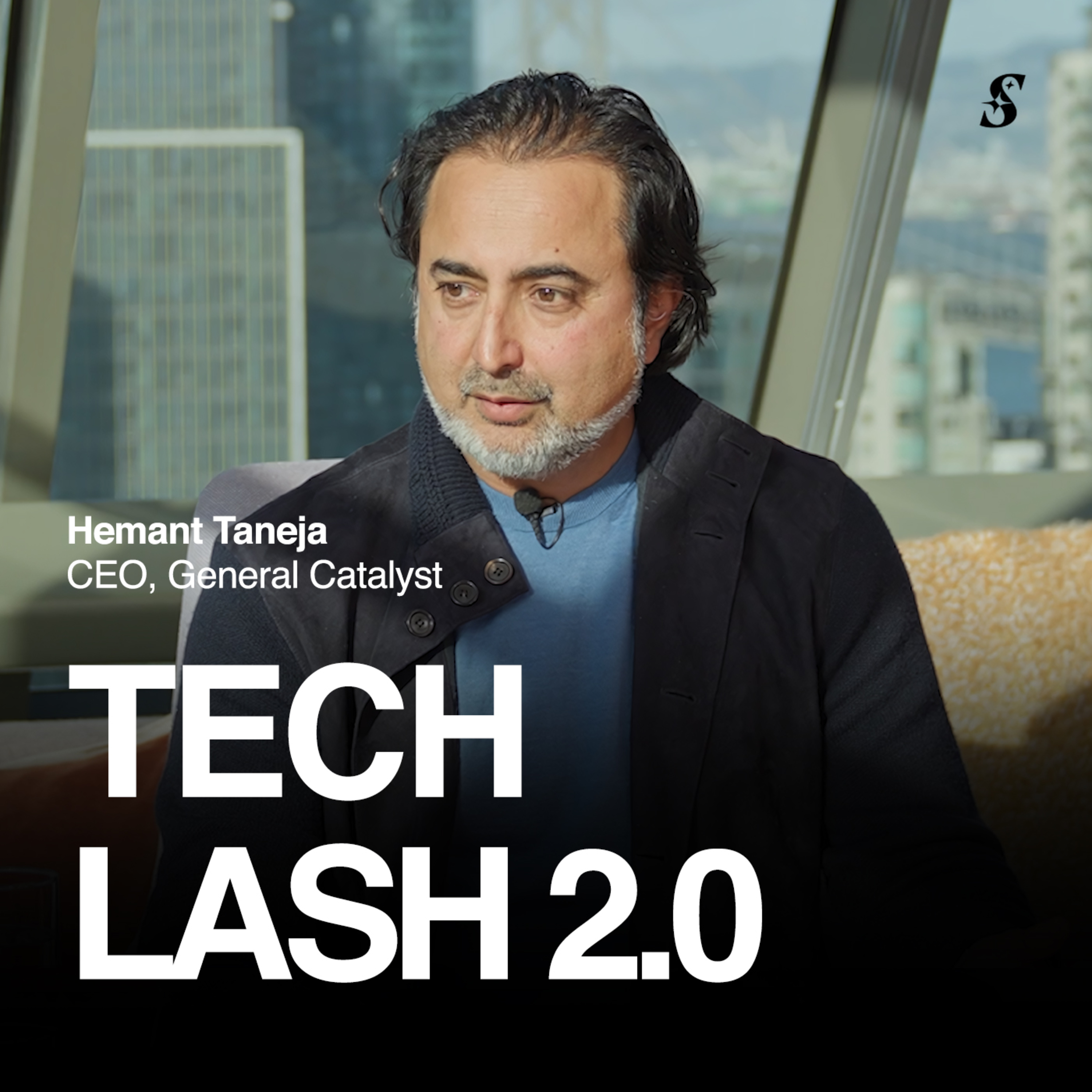
GC started its quarterly review to force a step back from the industry's fast-paced, polarized discourse on social media. It aims to foster deeper, more nuanced thinking on a quarterly basis instead of contributing to the high-velocity stream of reactive content.
Related Insights
Even if 99% of a VC's portfolio is solid, one viral "rage bait" company can dominate public perception. Due to the internet's nature, this single controversial investment can get 1000x more attention, tarnishing the fund's brand and making it known for "slop" rather than its serious investments.

The venture capital industry was transformed by two parallel forces post-financial crisis. Crossover funds brought a hedge fund-style intensity and speed, while founder-led firms like a16z brought an entrepreneurial metabolism. This dual injection of urgency permanently changed the pace and nature of venture investing.

GC believes technology's natural gravity pulls toward concentration in a few mega-companies. Its investment thesis is to empower founders to build power-law companies that create a more distributed and inclusive innovation ecosystem, actively working against this concentration.
GC's CEO Hemant Taneja views his role as an orchestrator, not a dictator. He employs a "servant leadership" model where any partner with conviction can lead an investment. His job is to ensure their thinking is rigorous, not to impose his own views, which he believes would create missed opportunities.
To manage LP expectations and maintain discipline, GC voluntarily marked down its entire portfolio by 40% during the COVID bubble. This counters the industry tendency to ride inflated paper gains, which distorts capital planning for both VCs and their LPs.
Contrary to secretive hedge funds, Cathie Wood's ARK Invest publishes its research while it's still evolving. They use platforms like X (formerly Twitter) to invite debate from experts, VCs, and the public, believing this collaborative approach is essential in a fast-moving, information-rich world.

The economics profession is increasingly aware that a harsh seminar climate stifles risk-taking and learning. As a result, there's a conscious shift towards maintaining a more civilized and constructive environment during public research presentations, moving away from public humiliations.

Threads' goal to be a more civil platform has successfully differentiated it from the 'hyper-polarized' X. However, this moderation comes at a cost: it lacks the high-conflict conversations that drive news cycles and cultural relevance, which still happen on its more chaotic rivals.

Dan Wong observes that the finance industry, where contrarians constantly bet against the market, is structurally better at encouraging diverse opinions. In contrast, tech culture operates more like a herd, with companies and VCs chasing one big trend at a time, leading to a 'soft Leninism' where dissent is less valued.
A specific VC playbook: post a screenshot of text with a punchy, controversial headline. The headline drives viral distribution and outrage, while the nuanced text attracts knowledgeable individuals who then send better ideas and relevant startups, effectively turning social media into an inbound deal-flow engine.
