Get your free personalized podcast brief
We scan new podcasts and send you the top 5 insights daily.
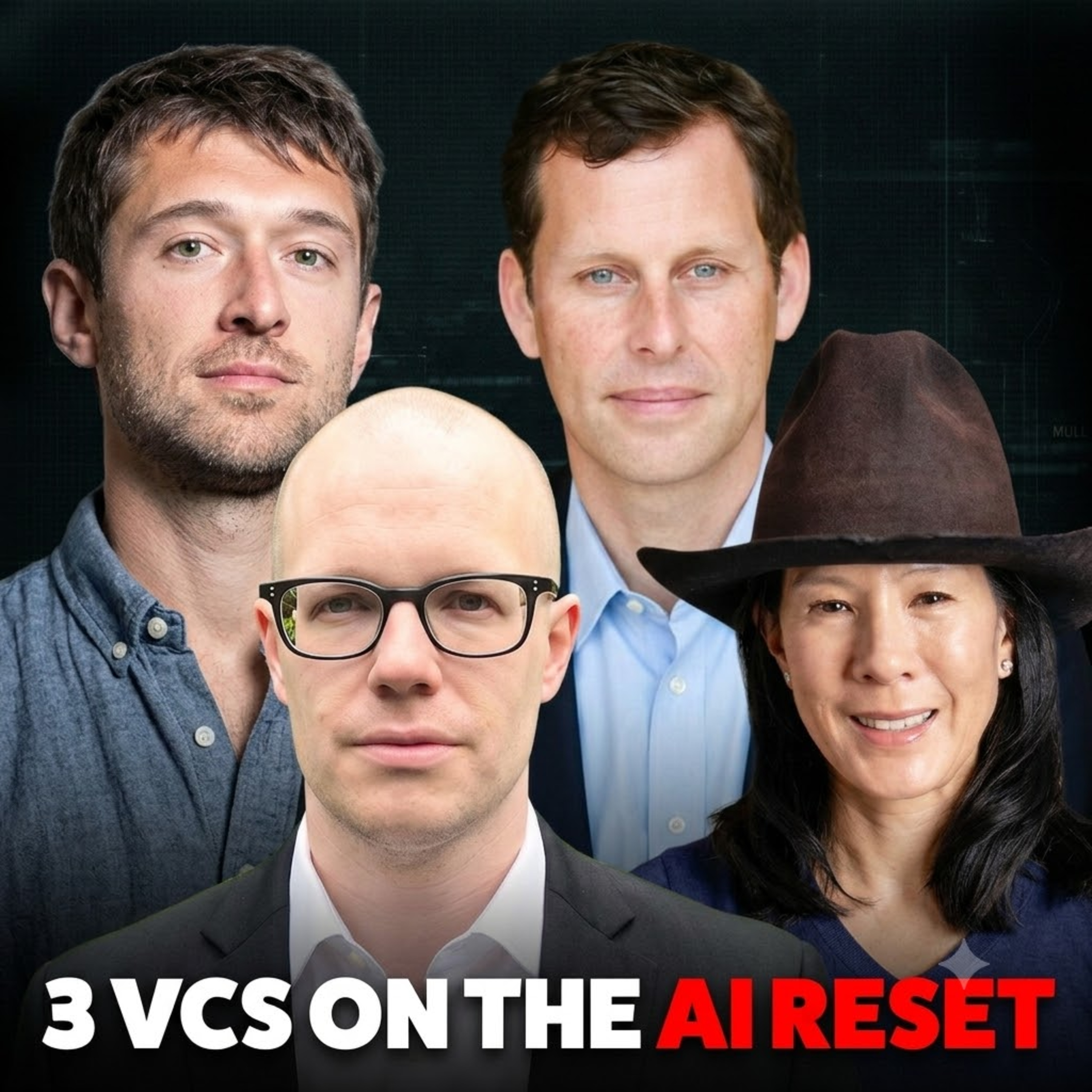
Aileen Lee points out a historical mismatch between tech hype and company creation. The most successful companies (e.g., Anthropic, Wiz) were founded when VC attention was focused on other trends (crypto, future of work). The best founders often build quietly for years, away from the current spotlight.
Related Insights
History shows the ultimate beneficiaries of technological waves are often not the initial darlings. Facebook and Google became internet giants long after the dot-com bubble. This suggests investors should be wary of paying high valuations for today's hyped AI companies, as the true long-term winners may not even exist yet.

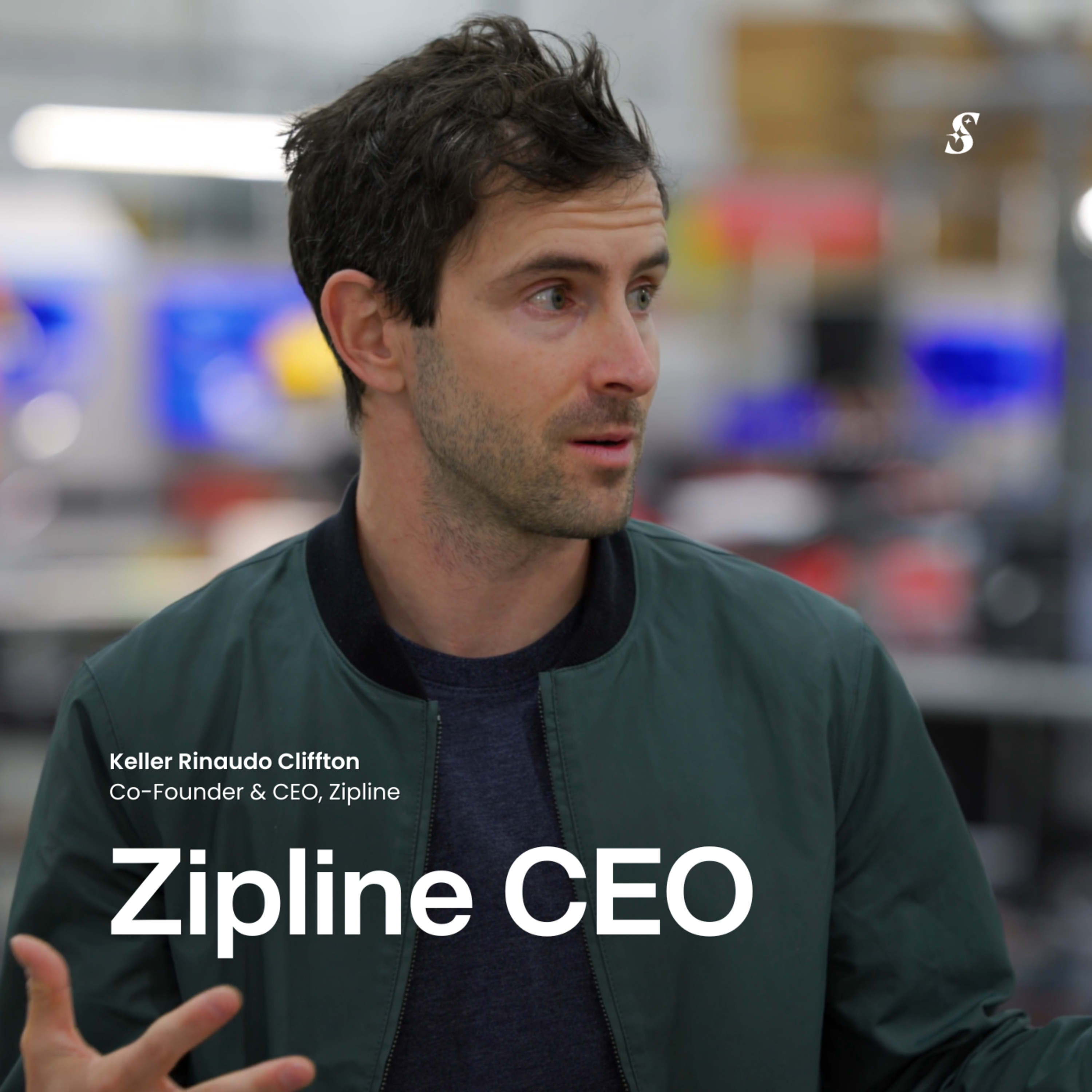
Zipline, much like early Tesla or SpaceX, was never part of a broader investment "hype cycle." They spent a decade working on a contrarian idea that most investors thought was stupid. This obscurity allowed them to build with deep conviction, attracting only highly contrarian investors who believed in the long-term, inevitable vision.
True entrepreneurial success isn't about chasing hot topics like AI. It's about finding a niche, boring problem and developing a deep, multi-decade obsession with it. This requires a unique ability to find interest where others see none, which is a powerful competitive moat.
![William Hockey - Building the Operating System for the Dollar and Silicon Valley Heresy - [Invest Like the Best, EP.463] thumbnail](https://megaphone.imgix.net/podcasts/fafd11c6-2198-11f1-9f4c-331b7fdffb5f/image/c8ee4ccf34b48dd3ef4ded6a34c1f70c.jpg?ixlib=rails-4.3.1&max-w=3000&max-h=3000&fit=crop&auto=format,compress)
While SaaS and social apps were investor darlings, Zipline was seen as an unpopular, capital-intensive hardware company. Co-founder Keller Clifton notes that the most impactful companies, like Tesla and SpaceX, often begin without hype because they are creating entirely new categories, not riding existing trends.

True entrepreneurial opportunity exists where consensus is wrong. By the time a trend like AI or cloud computing is mainstream, it's too late to build a foundational company. Entrepreneurs must find ideas that are currently not well-liked or appreciated and see the gap between the popular view and the idea's actual potential.
The most significant companies are often founded long before their sector becomes a "hot" investment theme. For example, OpenAI was founded in 2015, years before AI became a dominant VC trend. Early-stage investors should actively resist popular memes and cycles, as they are typically trailing indicators of innovation.

Analysis shows that the themes venture capitalists and media hype in any given year are significantly delayed. Breakout companies like OpenAI were founded years before their sector became a dominant trend, suggesting that investing in the current "hot" theme is a strategy for being late.
In an era where AI makes building products easier for everyone, technical execution is no longer a defensible moat. The new determinant of startup success is founder resiliency and a deep passion for their vertical. Victory belongs to those who will relentlessly refine their product for a decade, not just build the first version.
Rapid startup success stories are misleading. A company's quick victory is almost always the result of its founder's decade-long journey of grinding, learning, and failing. The compounding effect of skills, credibility, and network building is the true engine behind the breakthrough moment.

The trend of high-profile researchers leaving large AI companies to start broad, generalist "NeoLabs" is decelerating. The market is entering a new phase where emerging AI startups are more likely to be in stealth, highly specialized, or intentionally unconventional, rather than directly competing on foundational models.