Get your free personalized podcast brief
We scan new podcasts and send you the top 5 insights daily.
While partnering with banks is essential for launching a fintech, at a certain scale, obtaining a direct banking charter is crucial. It provides direct regulatory relationships, greater control over product development, and a better customer experience, as Mercury Bank is pursuing.
Related Insights
Fintech infrastructure company Column bought a bank to gain a unique regulatory advantage. This allows them to build products that non-bank competitors cannot, by handling all backend complexity with the Federal Reserve and card networks for clients like Ramp and Brex.
![William Hockey - Building the Operating System for the Dollar and Silicon Valley Heresy - [Invest Like the Best, EP.463] thumbnail](https://megaphone.imgix.net/podcasts/fafd11c6-2198-11f1-9f4c-331b7fdffb5f/image/c8ee4ccf34b48dd3ef4ded6a34c1f70c.jpg?ixlib=rails-4.3.1&max-w=3000&max-h=3000&fit=crop&auto=format,compress)
The end of the zero-interest-rate period compressed lending margins, but it had a silver lining. It forced fintech companies to become 'full-stack' by acquiring bank charters and building significant revenue streams from customer deposits, ultimately making their business models more durable.

Wise bypasses SWIFT by obtaining "direct connections" to a country's domestic banking system, a license rarely given to non-banks. This process is arduous, taking five years in the UK, creating a significant barrier to entry for competitors.

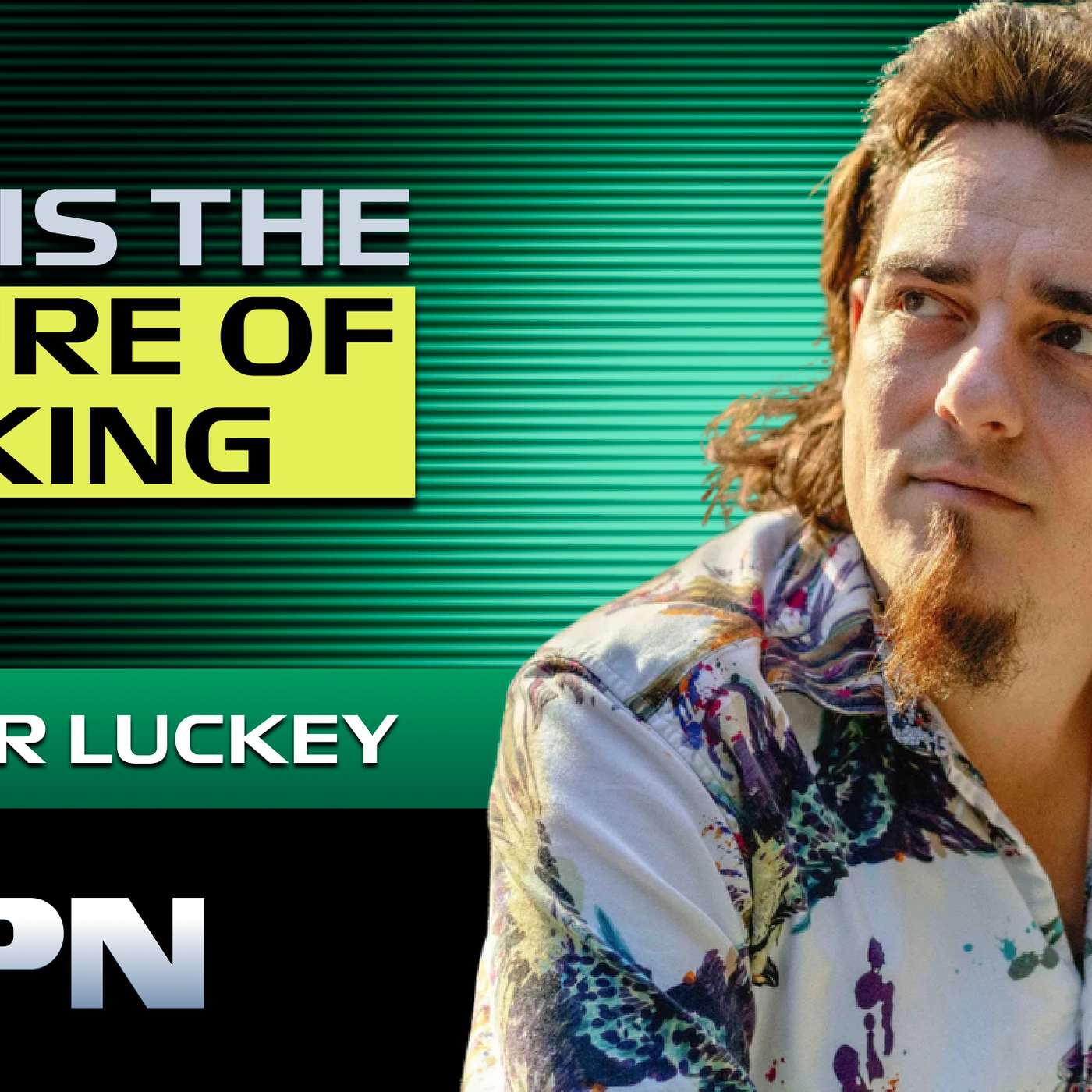
Palmer Luckey argues that relying on another bank's charter forces you to appease their risk tolerance and political pressures. Owning the charter means "the buck stops with you," ensuring you control your own de-banking and censorship decisions rather than having them dictated by upstream partners.
The 'SaaS apocalypse'—where agile, AI-powered startups can quickly disrupt established players—is less of a threat in fintech. Strict regulatory bodies like the FCA create a significant barrier to entry, slowing down disruption and protecting incumbent companies.

While AI can write code, Affirm CEO Max Levchin states it can't replicate the true moats of a fintech company. These include deep capital markets relationships, a full suite of money transmitter licenses (which take ~18 months to acquire), and years of building consumer trust.

The US banking system is technologically behind countries in Eastern Europe, Asia, and Latin America. This inefficiency stems from a protected regulatory environment that fosters a status quo. In contrast, markets like the UK have implemented fintech-friendly charters, enabling innovators like Revolut to thrive.
Mercury's CEO explains that achieving profitability is a strategic decision to reassure customers. In a sector rocked by instability (like the SVB collapse), financial sustainability signals that the platform is a stable, long-term partner for a startup's core operations.

Remitly thrives by offering a service that is cheaper and more efficient than traditional players like Western Union, yet remains integrated within the established banking system. This unique position allows it to serve users' needs without triggering the regulatory skepticism faced by decentralized solutions like stablecoins.

Palmer Luckey argues that fintechs relying on partner banks are vulnerable to a 'censorship chain.' A decision to de-platform a customer can be forced upon them by their partner's bank or payment processor. By securing its own charter, Erebor ensures the buck stops with them, preventing external parties from dictating its business decisions.