Get your free personalized podcast brief
We scan new podcasts and send you the top 5 insights daily.
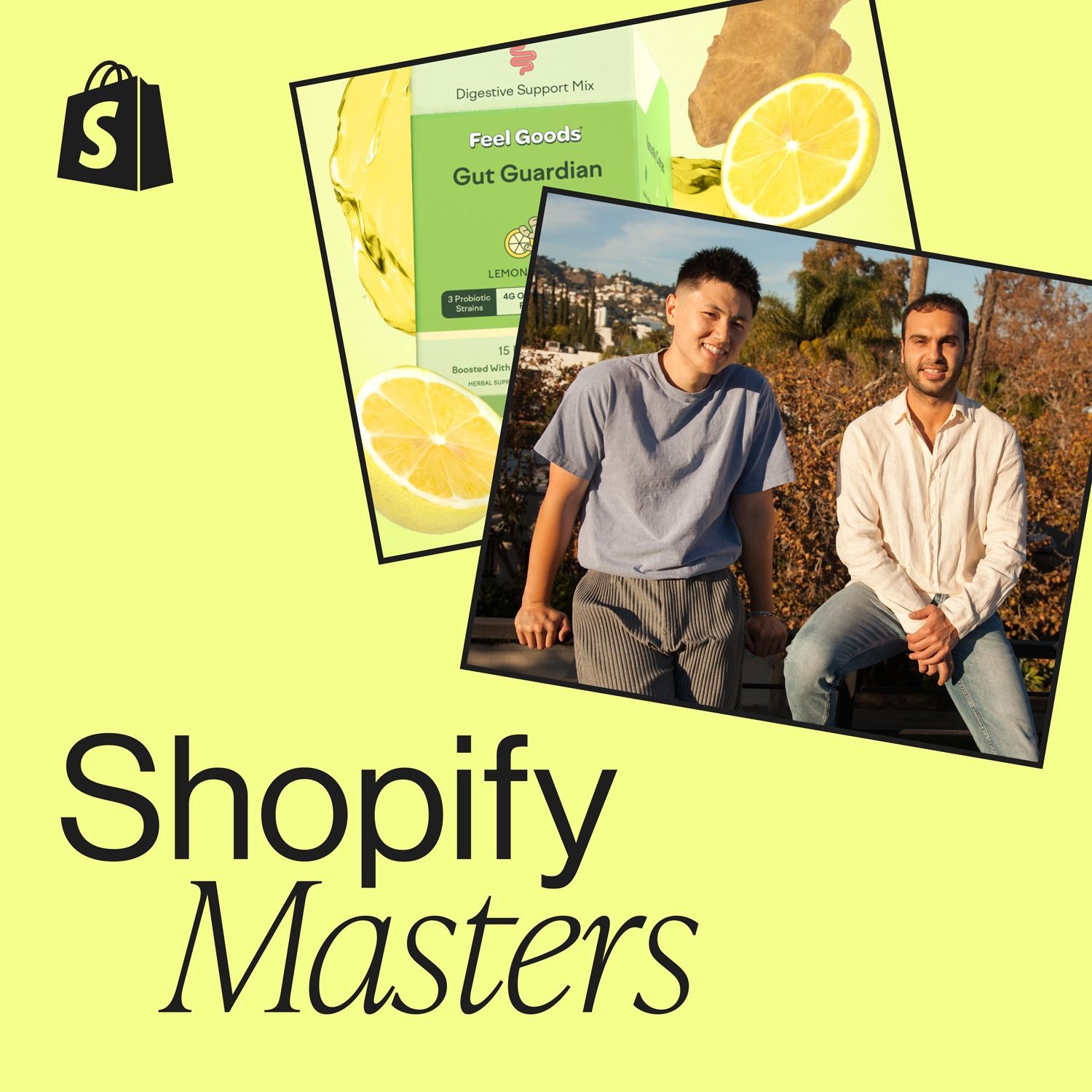
Feel Goods' founders argue against outsourcing content creation early. By personally enduring dozens of failed video attempts, they built an instinct for what works. They believe this "content muscle" is a core, ownable advantage that cannot be replicated by an outside agency.
Related Insights
The Give Hugs co-founders still shoot much of their own content. These 'scrappy' photoshoots frequently outperform professionally produced ones because the founders have an innate understanding of the brand's vision, which resonates more authentically with their audience.

The "build it and they will come" mindset is a trap. Founders should treat marketing and brand-building not as a later-stage activity to be "turned on," but as a core muscle to be developed in parallel with the product from day one.
Contrary to the impulse to outsource, early-stage entrepreneurs should run their own ads first. This is not only more affordable than an agency but also provides invaluable, firsthand data on what messaging and offers resonate—critical knowledge for effective scaling later.

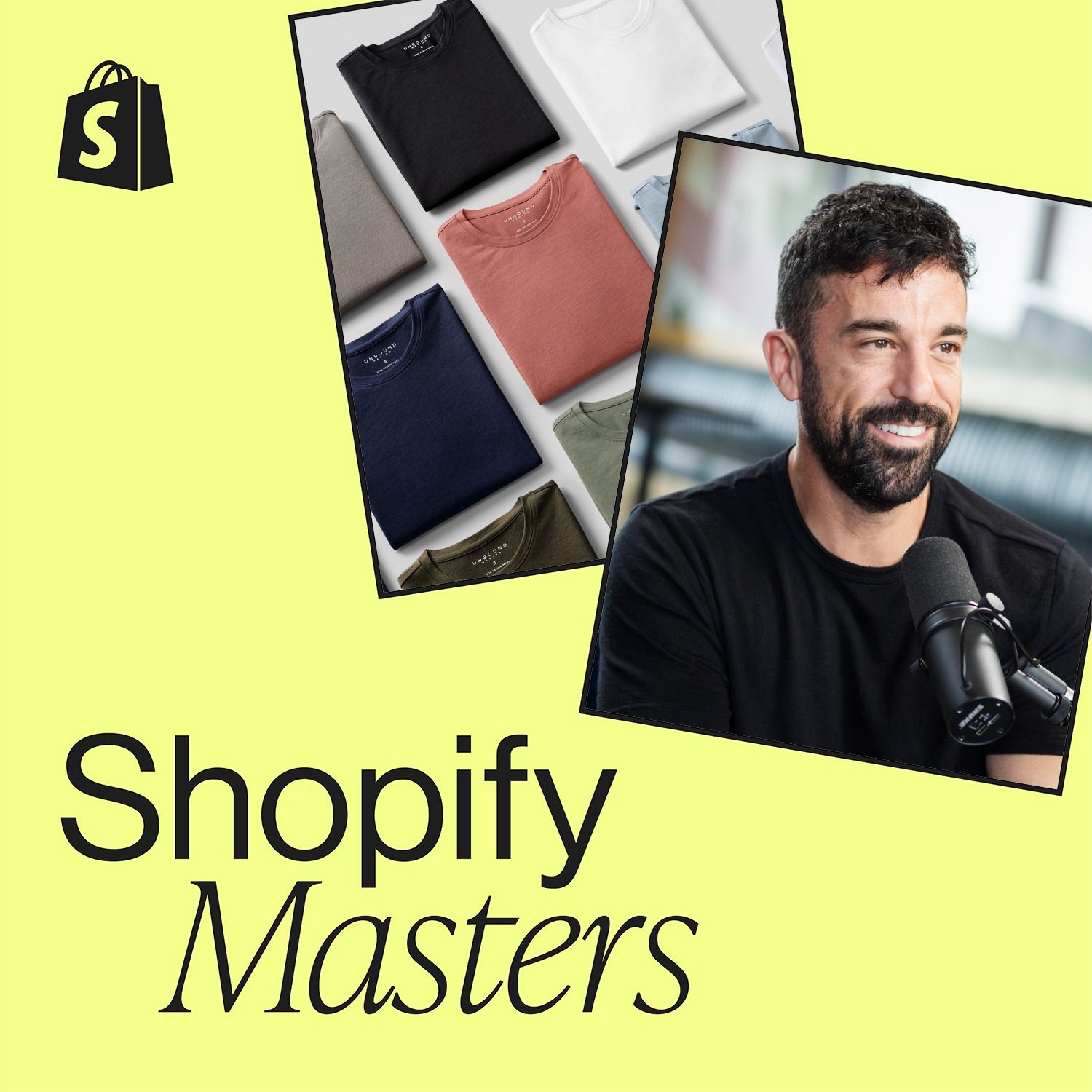
The CEO of Unbound Merino found that his most polished, creative ads often underperformed. Conversely, ads he felt were cheesy or made him uncomfortable—specifically, founder-led videos—were highly effective, showing that authenticity can trump production value.
In the early stages, the primary benefit of producing a dozen videos a week isn't just marketing; it's accelerated learning. This high volume of output generates rapid feedback, allowing founders to quickly discover which pain points, use cases, and messaging angles truly resonate with their audience.

In today's market, founders cannot afford to build a product and then seek an audience. The only durable competitive advantage is building a content engine first to capture free impressions and organic reach, then monetizing that pre-existing audience with a product or service.
Founder-led marketing requires deep immersion and genuine enjoyment to be effective. If you are not intrinsically motivated and interested in creating content, don't force it. The lack of enthusiasm will be palpable to the audience, resulting in high opportunity cost.

For businesses aiming to reduce reliance on discovery platforms like Airbnb or Viator, high-volume content creation is the primary path to independence. This isn't just a marketing task; it's the most critical priority for the founder, superseding other daily operational activities.

In a product-led world, the B2B concept of 'founder-led sales' evolves into 'founder-led marketing.' Founders must deeply own the brand's narrative. This means personally onboarding key influencers and being the first to learn how to tell the story broadly, ensuring the message is right before scaling the function.

While influencers offer access to underpriced attention, over-reliance creates a dangerous dependency. Businesses must prioritize building their own content creation capabilities to maintain leverage and control over their brand's destiny, ensuring they are never at the mercy of a third party.