Get your free personalized podcast brief
We scan new podcasts and send you the top 5 insights daily.
Harris reveals that Biden's inner circle often failed to defend her or promote her accomplishments. She attributes this to a short-sighted, "zero-sum" mentality where her success was seen as dimming the president's, a counterproductive dynamic at the highest level of government.

Related Insights
When entering rooms where she might be underestimated, Harris uses a mental tool: she visualizes the people who supported her journey, like her first-grade teacher. This reminds her to carry their pride and expectations, empowering her to use her voice confidently.
Before her debate with Trump, Harris drew a smiley face on her notepad. Her core strategy was to intentionally enjoy the exchange, operating on the counter-intuitive principle that in high-pressure public performances, the person who appears to be having the most fun will win.
Before her high-stakes debate with Trump, President Biden called Harris not to encourage her, but to complain about his own negative press. Harris interpreted this as a sign that his motivations were primarily about himself, even when the team's success was on the line.
Harris wanted to appear on Joe Rogan's show but didn't. The decision wasn't about pride or avoiding a tough interview, but a cold calculation of time's return on investment. The campaign had to weigh hours of travel and recording against being physically present in a crucial swing state.
When asked if she feared being targeted by a Trump administration, her brief, flat response ("of course") was a missed opportunity. Instead of a passionate defense of democracy, her answer showcased an inability to capture the political imagination, highlighting a core weakness of her potential candidacy.

Harris suggests that feeling like an "imposter" isn't a flaw but can be a sign of leadership potential. It often stems from a deep, humble understanding of the seriousness of a role and the great responsibility one holds on behalf of others.
Harris describes her state on election night as a profound shock and grief comparable to her mother's death. The pain wasn't about winning or losing a contest; it was the prescient knowledge of the negative consequences and harm that the country and its people would face.
Buttigieg suggests that crowning Kamala Harris as the nominee without a competitive primary was a strategic error. He argues that a primary process, while messy, sharpens candidates and strengthens them for the general election. By avoiding this test, the party may have fielded a weaker nominee.
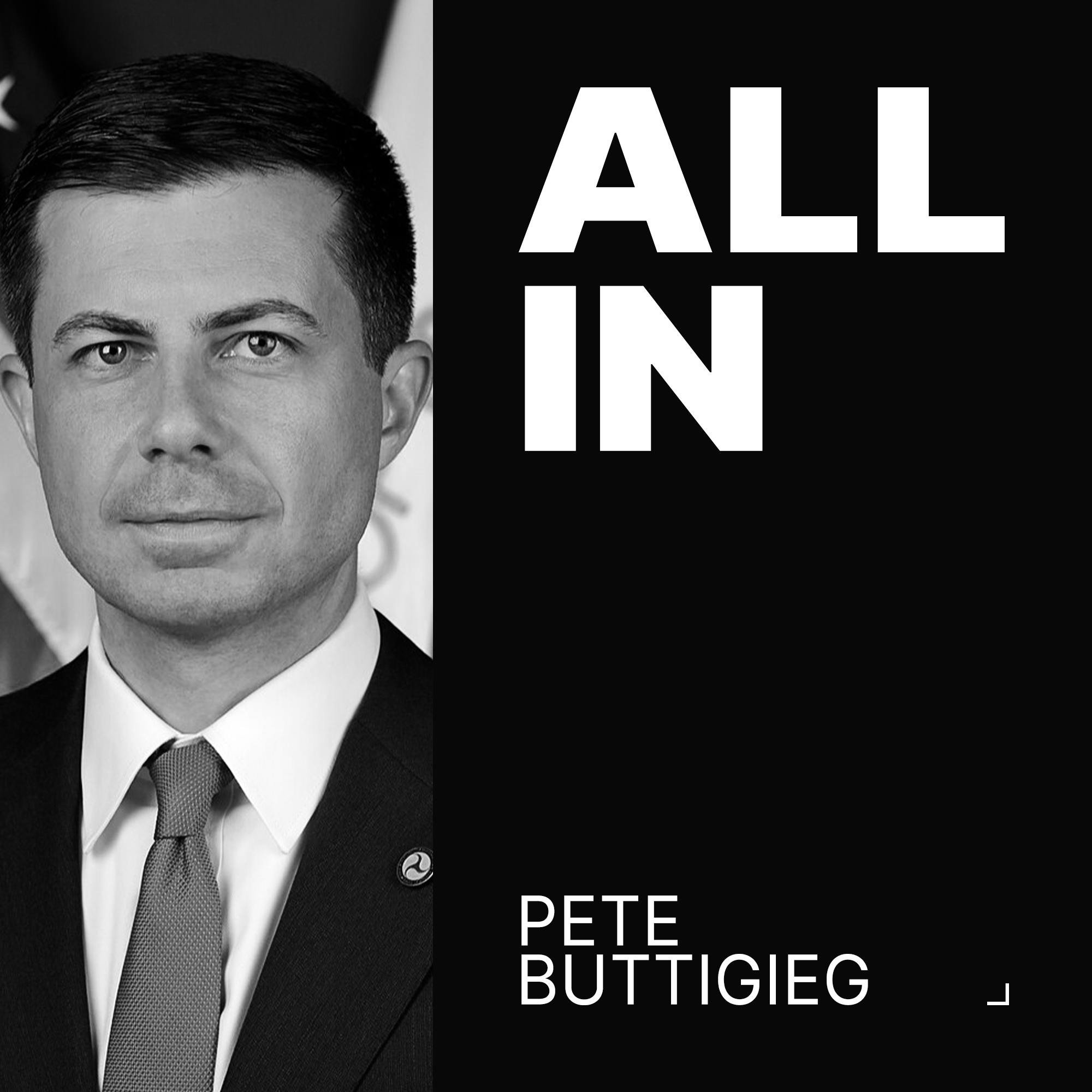
Manchin claims President Biden's agenda was controlled by an extremely liberal staff assembled by Ron Klain. He asserts this prevented follow-through on moderate agreements made directly with the President, suggesting the staff—not the President—was driving the policy train.
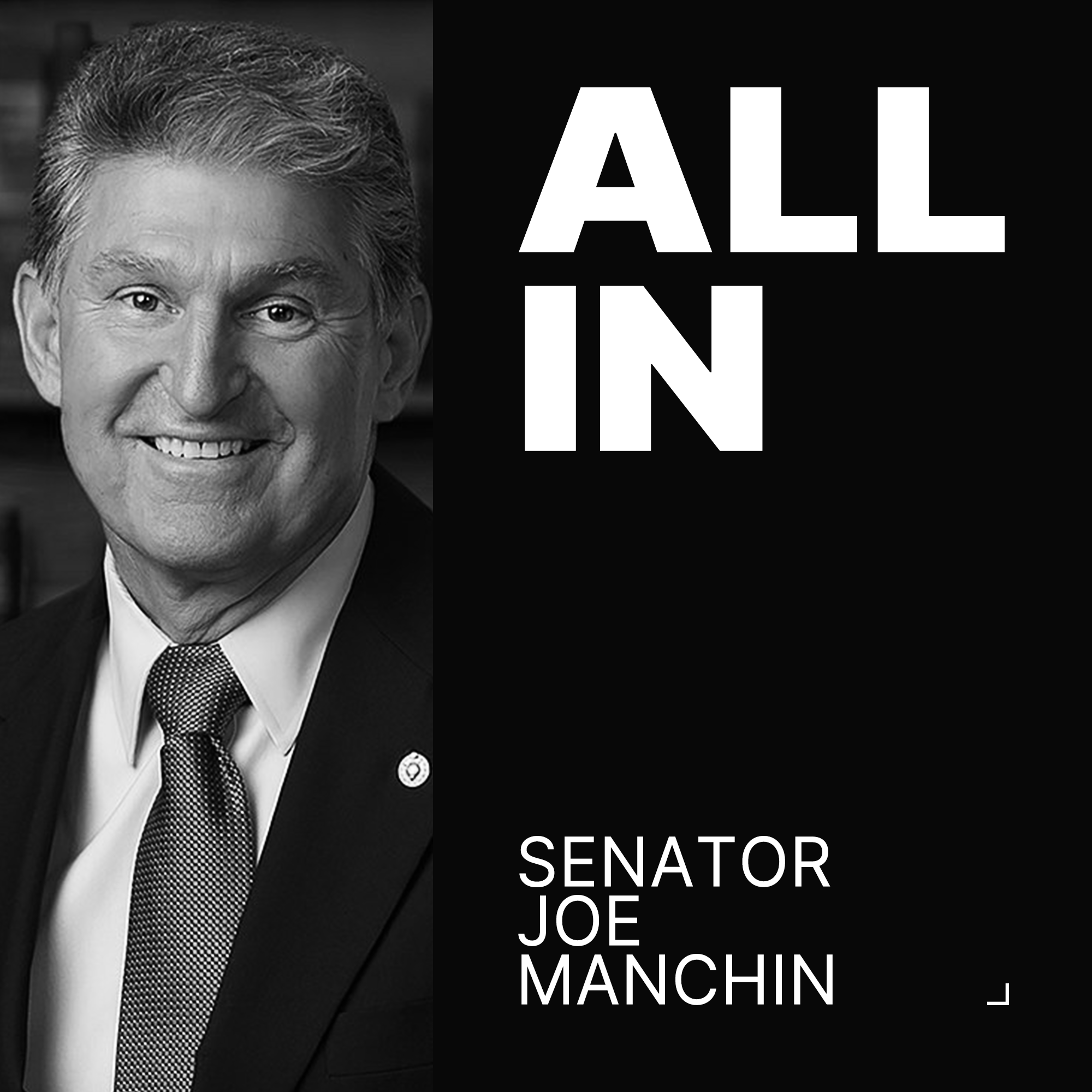
Harris reflects on the decision to not force the issue of Biden's candidacy earlier in the race. What she once framed as an act of 'grace' and loyalty, she now admits in hindsight was likely 'reckless,' demonstrating the painful trade-off between personal relationships and strategic imperatives.