Get your free personalized podcast brief
We scan new podcasts and send you the top 5 insights daily.
When asked if she feared being targeted by a Trump administration, her brief, flat response ("of course") was a missed opportunity. Instead of a passionate defense of democracy, her answer showcased an inability to capture the political imagination, highlighting a core weakness of her potential candidacy.

Related Insights
Democratic candidate Jasmine Crockett's Senate launch video focuses entirely on Donald Trump as a national foil. This strategy, while boosting her national profile, risks backfiring in Texas by neglecting local issues like affordability. It could allow opponents to frame her as a "left-wing caricature" disconnected from the state's specific concerns.

The Democratic Party's loss of Silicon Valley's support wasn't about campaign funds, but about culture. By vilifying entrepreneurs, the party allowed Trump to become the champion of innovation and the future, alienating a generation of young people who admire wealth creation and technological progress.
Pressuring individuals or brands to speak on every current event is counterproductive. This external demand often leads to 'performative activism'—watered-down, disingenuous statements made out of obligation, not conviction. True impact comes from speaking on issues one genuinely cares about and understands.

When evaluating talent, the biggest red flag is "hand-waving." If you ask a direct question about their area of responsibility and they can't give a crisp, clear explanation, they likely lack true understanding. Top performers know their craft and can explain the "why" behind their actions.
The inability to execute basic administrative functions, like correctly appointing a prosecutor, is more than just embarrassing—it's a national security risk. It projects weakness and incompetence on the world stage, eroding the 'brand' of American capability and emboldening adversaries who see a clown car instead of a superpower.
Buttigieg suggests that crowning Kamala Harris as the nominee without a competitive primary was a strategic error. He argues that a primary process, while messy, sharpens candidates and strengthens them for the general election. By avoiding this test, the party may have fielded a weaker nominee.
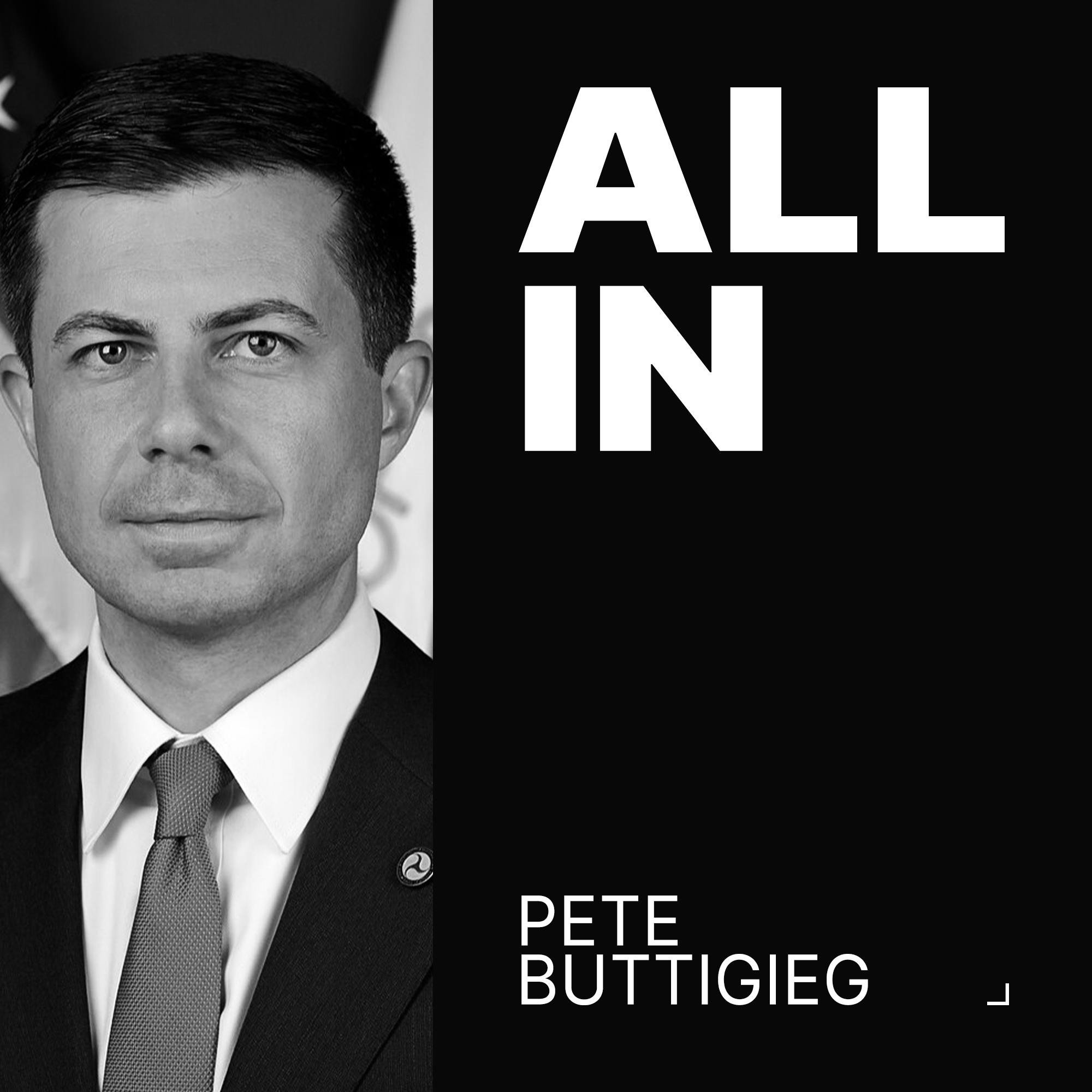
Instead of personally challenging a guest, read a critical quote about them from another source. This reframes you as a neutral moderator giving them a chance to respond, rather than an attacker. The guest has likely already prepared an answer for known criticisms.

Counterintuitively, the first female US president is predicted to be a Republican embodying a Margaret Thatcher-like 'Iron Lady' persona. To overcome gender bias, this theory suggests she will need a reputation for being exceptionally tough, possibly even more hawkish than her male counterparts, to be seen as electable.
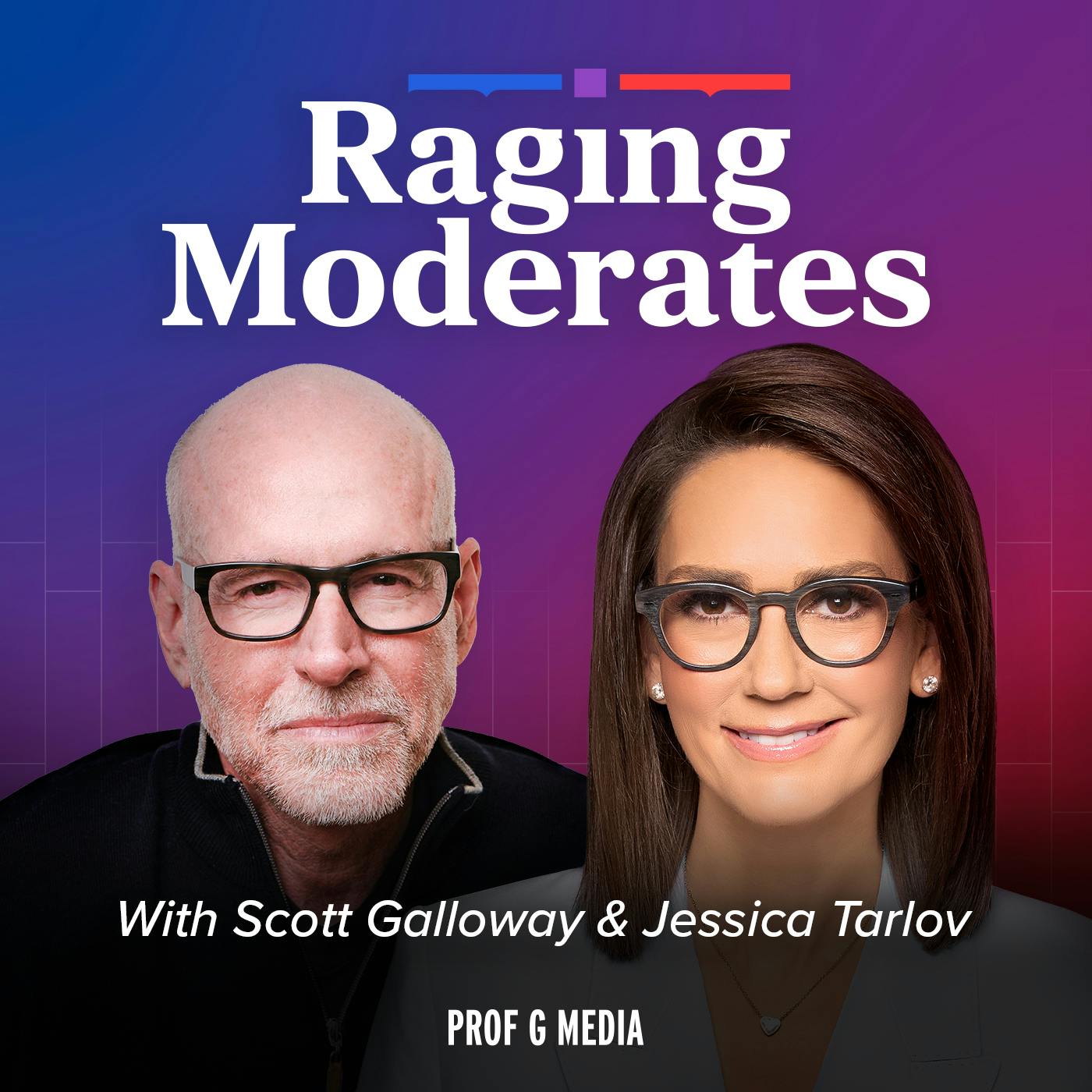
Michelle Obama bluntly states that America is not yet ready for a female president, citing latent sexism and the inability of many men to be led by women. Her direct dismissal of her own candidacy ('don't waste my time') serves as a powerful indictment of the current political and cultural landscape for female leaders.
Political allies often remain silent critics until a leader's power begins to wane. The recent increase in Republicans publicly questioning Trump's economic grasp demonstrates this principle. This belated courage is more about political survival and opportunism than genuine conviction, emerging only after the personal risk has subsided.