Get your free personalized podcast brief
We scan new podcasts and send you the top 5 insights daily.
The "Hakuna Matata" life of avoiding responsibility is a form of hell that harms your community. True peace comes not from comfort, but from surrendering to the difficult "battle" you know you ought to fight. Embracing your duty, whether starting a hard company or facing a personal challenge, is where fulfillment lies.

Related Insights
Blaming yourself for every problem is painful for the ego. However, this act of taking total ownership is also profoundly empowering. If your problems are your fault, it means you have the power to fix them, liberating you from victimhood and giving you control.

Most people only know the opening lines, but the full Serenity Prayer contains a radical reframe: "accepting hardships as the pathway to peace." This suggests suffering isn't an obstacle to be avoided, but the very process through which tranquility and acceptance are achieved, echoing Stoic and Buddhist philosophies.

The modern emphasis on pursuing happiness as an end in itself is often counterproductive. True happiness is more often a byproduct of engaging in meaningful activities like work, relationships, or helping others. Directly chasing the feeling of "happiness" sets unrealistic expectations and can increase unhappiness.

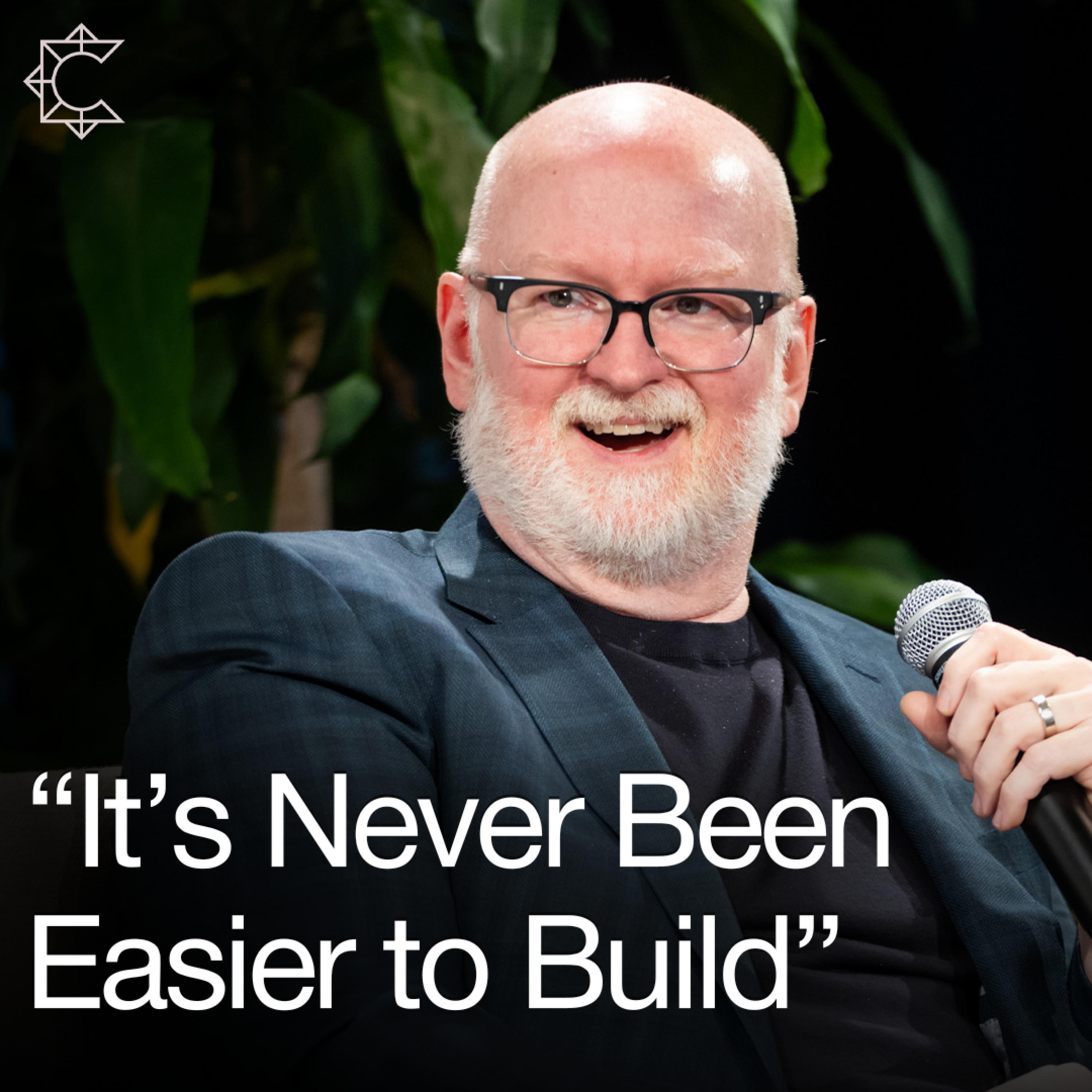
The modern belief that an easier life is a better life is a great illusion. Real growth, like building muscle, requires stress and breakdown. Wisdom and courage cannot be gained through comfort alone; they are forged in adversity. A truly fulfilling life embraces both.

Challenges should not be viewed as roadblocks that prevent you from finding your purpose. Instead, by leaning into adversity and learning from it, you discover what is truly meaningful. Sharing these lessons becomes a source of profound fulfillment and a core part of your purpose.

Founders often believe success will bring ease and happiness, but building meaningful things is a constant, hard grind. The goal shouldn't be happiness, which is fleeting, but contentment—the deep satisfaction derived from tackling important problems. The hardness itself is a privilege to be embraced.
The paradox of values-based work is that while it often involves difficult conversations or actions, it ultimately provides energy and fulfillment. Conversely, taking the easy way out (e.g., avoiding conflict) feels simpler in the moment but leaves you feeling hollowed out and depleted.

Since human life is finite, you will inevitably "fail" to do everything you want to do. Accepting this isn't depressing; it's liberating. It frees you from the constant, anxious struggle to avoid failure, allowing you to relax and focus on doing what truly matters with the time you have.

Actions driven by a sense of obligation lack the genuine energy of love. Recognizing this distinction is key to building authentic relationships and making life choices that stem from true desire rather than perceived duty, which ultimately leads to more fulfillment.

The primary value in life comes from confronting difficult challenges, not from guaranteed success. Avoiding hardship leads to mere existence. Win or lose, attacking a challenge makes you better and more prepared for the next one. Failure is a necessary step toward eventual victory.