Get your free personalized podcast brief
We scan new podcasts and send you the top 5 insights daily.
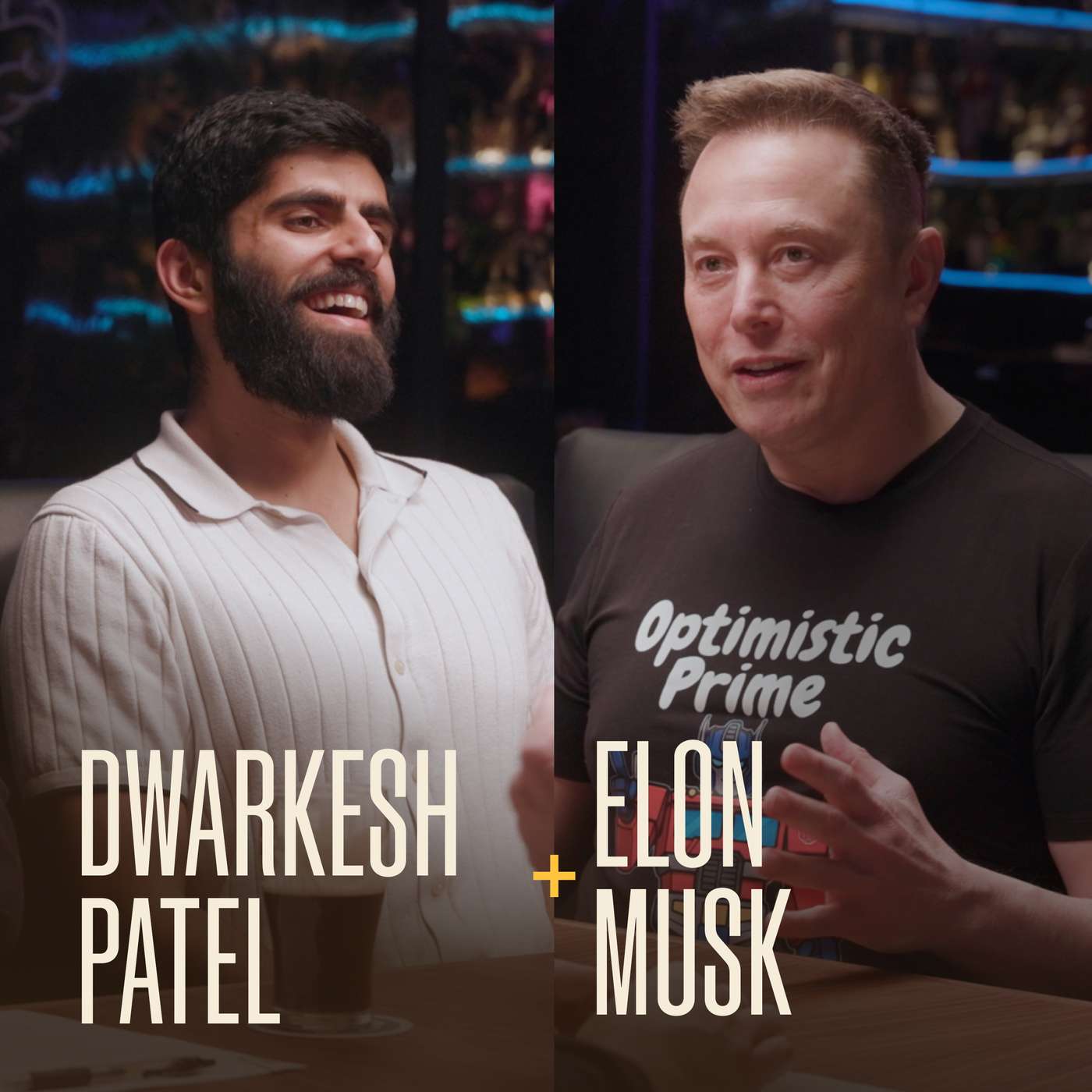
Musk reveals xAI's core strategy is to apply the principles of Tesla's self-driving AI to a computer screen, creating a 'digital human' that can operate any application. He sees this as the key to unlocking trillions in revenue by automating tasks like customer service without complex API integrations, starting a path to more complex digital work.
Related Insights
XAI is developing autonomous AI agents designed to replace white-collar work by mimicking human interaction with digital interfaces. The company is already testing these "human emulators" internally, sometimes listing them on org charts without telling human staff.

The integration of AI into human-led services will mirror Tesla's approach to self-driving. Humans will remain the primary interface (the "steering wheel"), while AI progressively automates backend tasks, enhancing capability rather than eliminating the human role entirely in the near term.
The sequential mergers of X with xAI, then with SpaceX, and potentially Tesla, signal the formation of a single entity. This "Musk Industries" would leverage shared manufacturing learnings and AI development across cars, rockets, robots, and social networks, creating powerful synergies.
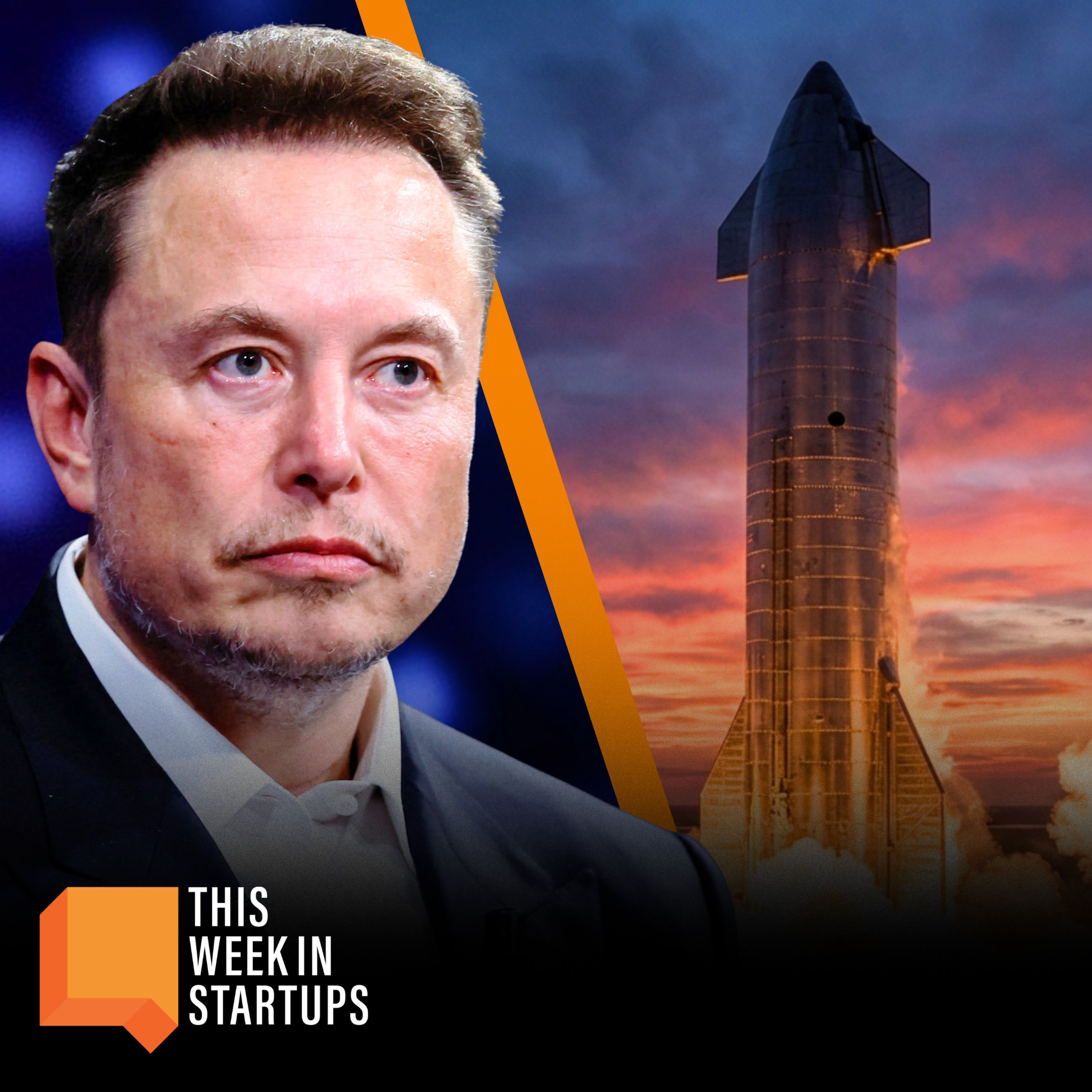
Beyond data from X, a key strategic advantage for XAI is its access to a continuous stream of hard science and engineering problems from SpaceX, Tesla, and Neuralink. This provides a rich, proprietary reinforcement learning environment for its models that is difficult for competitors to replicate, a theory the host confirmed with an XAI employee.

OpenAI's path to profitability isn't just selling subscriptions. The strategy is to create a "team of helpers" within ChatGPT to replace expensive human services. The bet is that users will pay significantly for an AI that can act as their personal shopper, travel agent, and financial advisor, unlocking massive new markets.

Elon Musk's plan to merge SpaceX with xAI is a strategic move to build a vertically integrated powerhouse. This deal combines SpaceX's physical infrastructure, satellite network, and massive revenue from Starlink with xAI's artificial intelligence ambitions, creating a single entity that controls both the digital and physical layers of a new tech ecosystem.

The future of software isn't just AI-powered features. It's a fundamental shift from tools that assist humans to autonomous agents that perform tasks. Human roles will evolve from *doing* the work to *orchestrating* thousands of these agents.
Elon Musk's xAI project, named "Macro Harder," aims to build an AI capable of creating any software requested by a user. This directly challenges Microsoft's business model by seeking to replace standardized software suites with infinitely customizable, AI-generated applications.

The transition from AI as a productivity tool (co-pilot) to an autonomous agent integrated into team workflows represents a quantum leap in value creation. This shift from efficiency enhancement to completing material tasks independently is where massive revenue opportunities lie.

Musk predicts that corporations composed entirely of AI and robots will rapidly and dramatically outperform any company that keeps humans involved in core operations. He compares it to a spreadsheet: a single human-calculated cell slows down the entire system, making hybrid human-AI companies inherently uncompetitive in the long run.