Get your free personalized podcast brief
We scan new podcasts and send you the top 5 insights daily.
The fundamental design of native Promises is to represent values over time, not to manage the lifecycle of the underlying operation. This lack of an "ownership" model means there is no built-in mechanism for a parent scope to enforce cancellation or cleanup on its child processes, causing leaks.

Related Insights
Agentic workflows involving tool use or human-in-the-loop steps break the simple request-response model. The system no longer knows when a "conversation" is truly over, creating an unsolved cache invalidation problem. State (like the KV cache) might need to be preserved for seconds, minutes, or hours, disrupting memory management patterns.

Kubernetes’s architecture of independent, asynchronous control loops makes it highly resilient; it can always drive toward its desired state regardless of failures. The deliberate trade-off is that this design makes debugging extremely difficult, as the root cause of an issue is often spread across multiple processes without a clear, unified log.

Simple concurrency helpers or custom promise chains fail in production. Robust systems need a "runtime contract" that enforces strict rules like concurrency limits, retry policies with backoff, and automatic cancellation of related tasks. This ensures predictable behavior and prevents cascading failures.
What developers dismiss as obscure 'edge cases' in legacy systems are often core, everyday functionalities for certain customer segments. Overlooking these during a rewrite can lead to disaster, as the old code was often built entirely around handling these complexities.

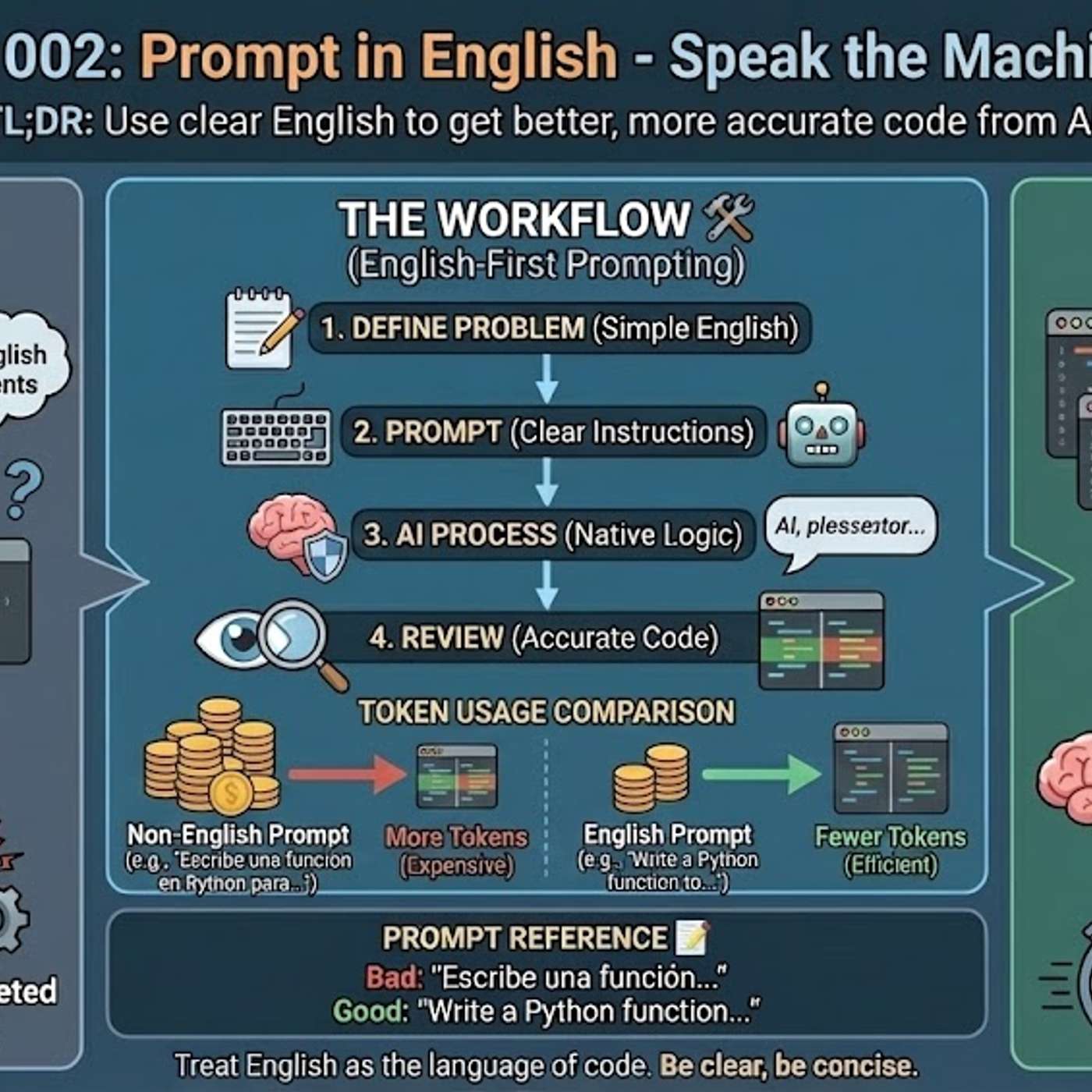
Technical terms like "callback" often lack a precise one-to-one translation in other languages. When a non-English prompt is used, the AI may misinterpret these crucial terms, leading it to misunderstand the user's intent, waste context tokens trying to disambiguate the instruction, and ultimately generate incorrect or suboptimal code.
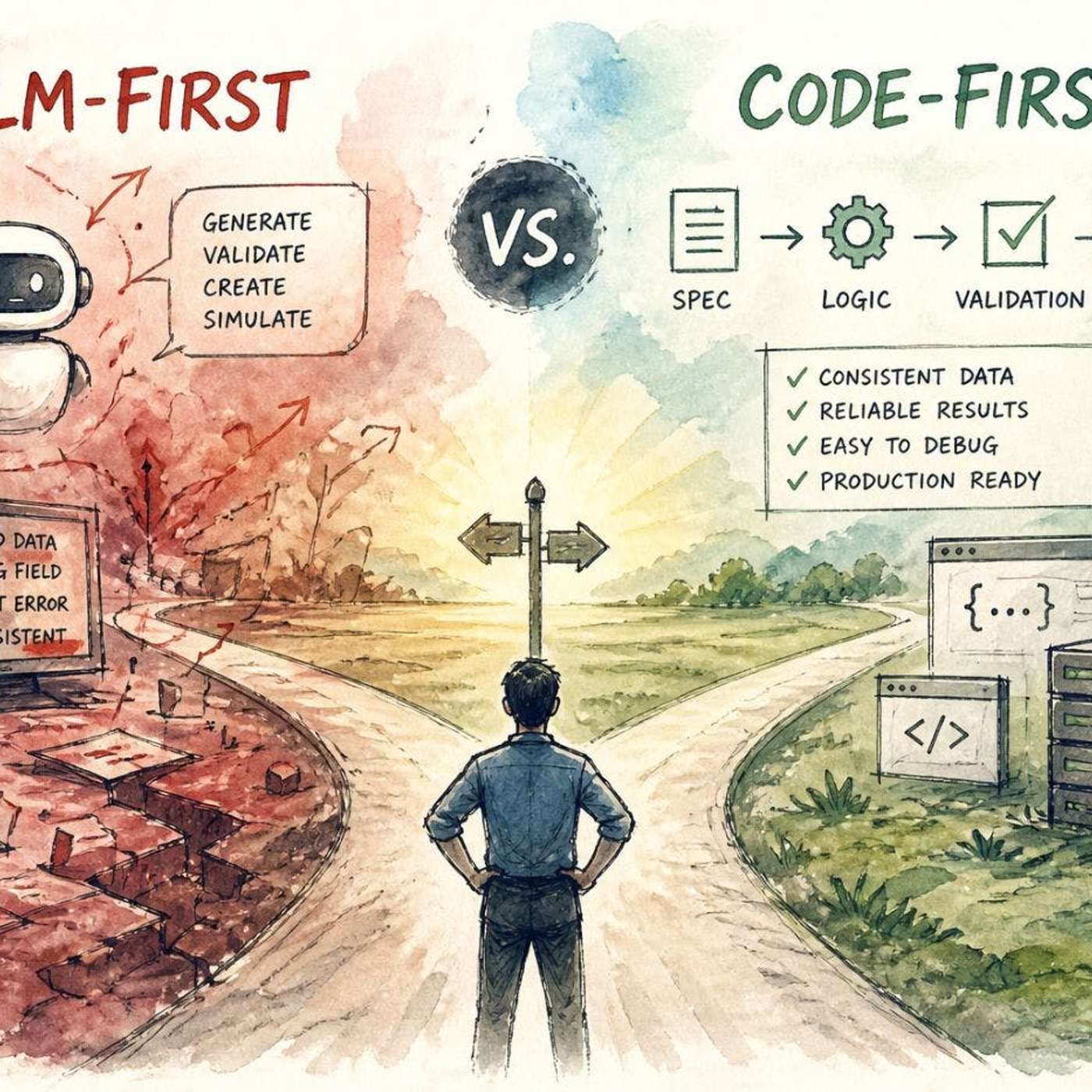
LLMs in production don't often crash spectacularly. Instead, they introduce subtle, probabilistic errors—like incorrect enum values or missing fields—that are hard to debug because they lack clear error patterns, unlike deterministic code failures.
Developers often assume `Promise.race` terminates losing operations, but it doesn't. The "losing" promises continue running in the background, consuming resources, incurring API costs, and leaving orphaned processes that require manual cleanup, unlike a true ownership model which would handle cancellation.
Killing projects is difficult because they often become "zombie initiatives." Even after being officially canceled, they persist because individuals with vested interests or strong personal beliefs find hidden resources or pockets of time to keep them alive, undermining the entire prioritization effort.
While frameworks like Tauri use native OS web views to reduce size, Electron's creator explains that bundling Chromium is crucial. It guarantees that the app's rendering engine is consistent and patchable by the developer, avoiding situations where an OS update breaks the application for users.
The simple "tool calling in a loop" model for agents is deceptive. Without managing context, token-heavy tool calls quickly accumulate, leading to high costs ($1-2 per run), hitting context limits, and performance degradation known as "context rot."
