Get your free personalized podcast brief
We scan new podcasts and send you the top 5 insights daily.
Being an external hire was a primary advantage for Julie Sweet's appointment as CEO. Lacking decades of history with the company's internal politics and processes enabled her to challenge the status quo and ask fundamental 'why can't we?' questions that drive change.

Related Insights
PepsiCo intentionally hired a leader with a marketing and consulting background to head consumer insights. They rejected the 'promote the best surgeon' model, believing an outside perspective was essential to galvanize the team and connect its work directly to business needs.

Accenture CEO Julie Sweet advised new Salesforce CFO Amy Weaver to identify and master the single most important source of credibility for her new role—in this case, Wall Street. Instead of trying to learn everything at once, she focused on excelling in investor relations to quickly establish her authority.
When companies bypass high-performing directors for an external VP, it's often to inject a fresh perspective and combat internal stagnation. This reveals a deeper problem: the organization has failed to nurture a culture of curiosity and challenge among its own rising leaders.

The CEO of AT&T, a 40-year veteran, argues that an insider who understands the company's DNA can be more effective at evolving its culture than an external disruptor. This challenges the common belief that transformational change requires bringing in a complete outsider.
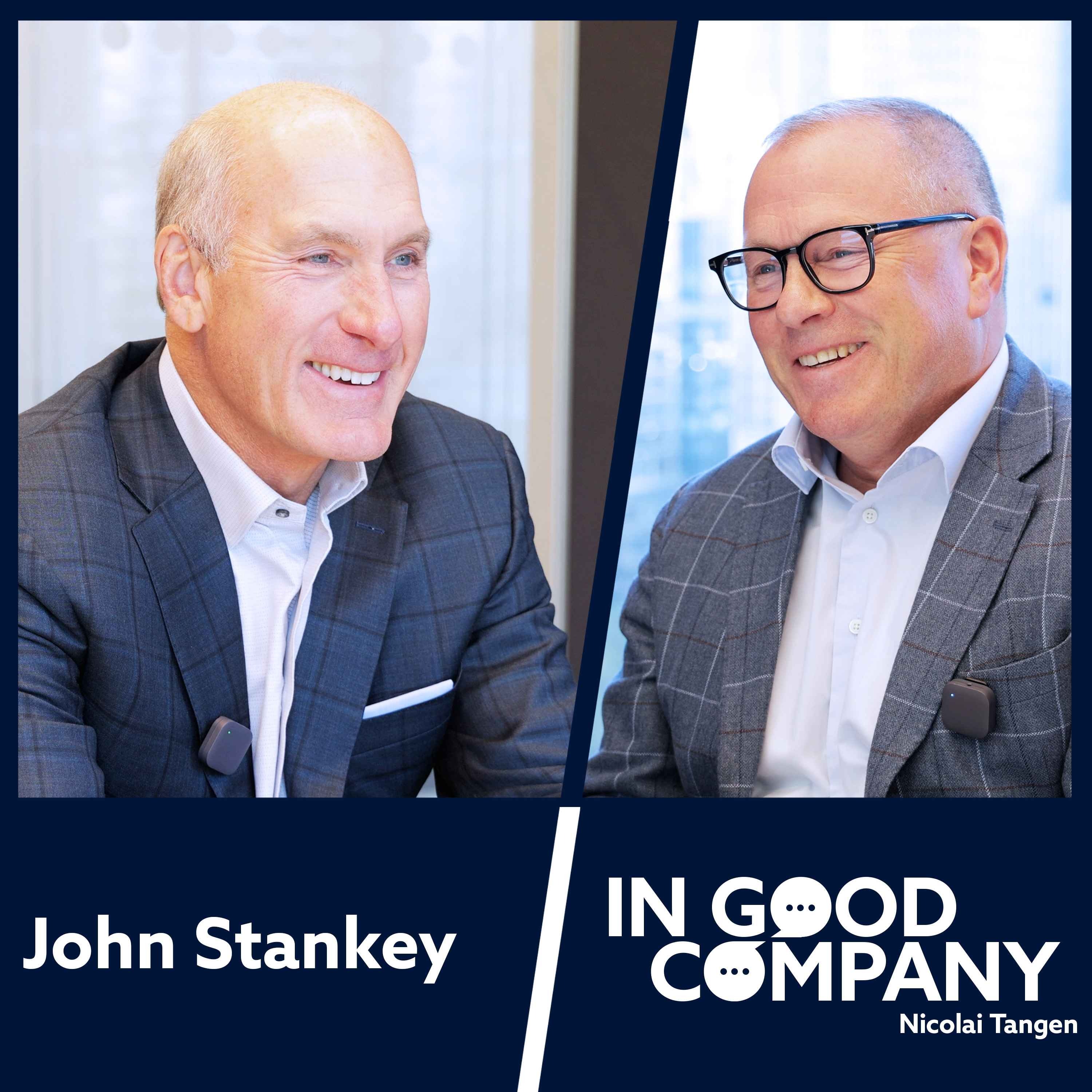
Nikesh Arora credits his hiring as an outside, non-expert CEO to having risk-taking VCs on the nomination committee. He argues that typical public boards optimize for safety, leading to "market return" hires. VCs introduce a higher risk appetite, enabling transformative leadership appointments.

The company's leadership philosophy, borrowed from Palantir, is to hire highly opinionated and sometimes difficult talent. While this feels chaotic, these individuals are essential for innovation and adaptation, unlike talent that merely optimizes existing, stable systems.
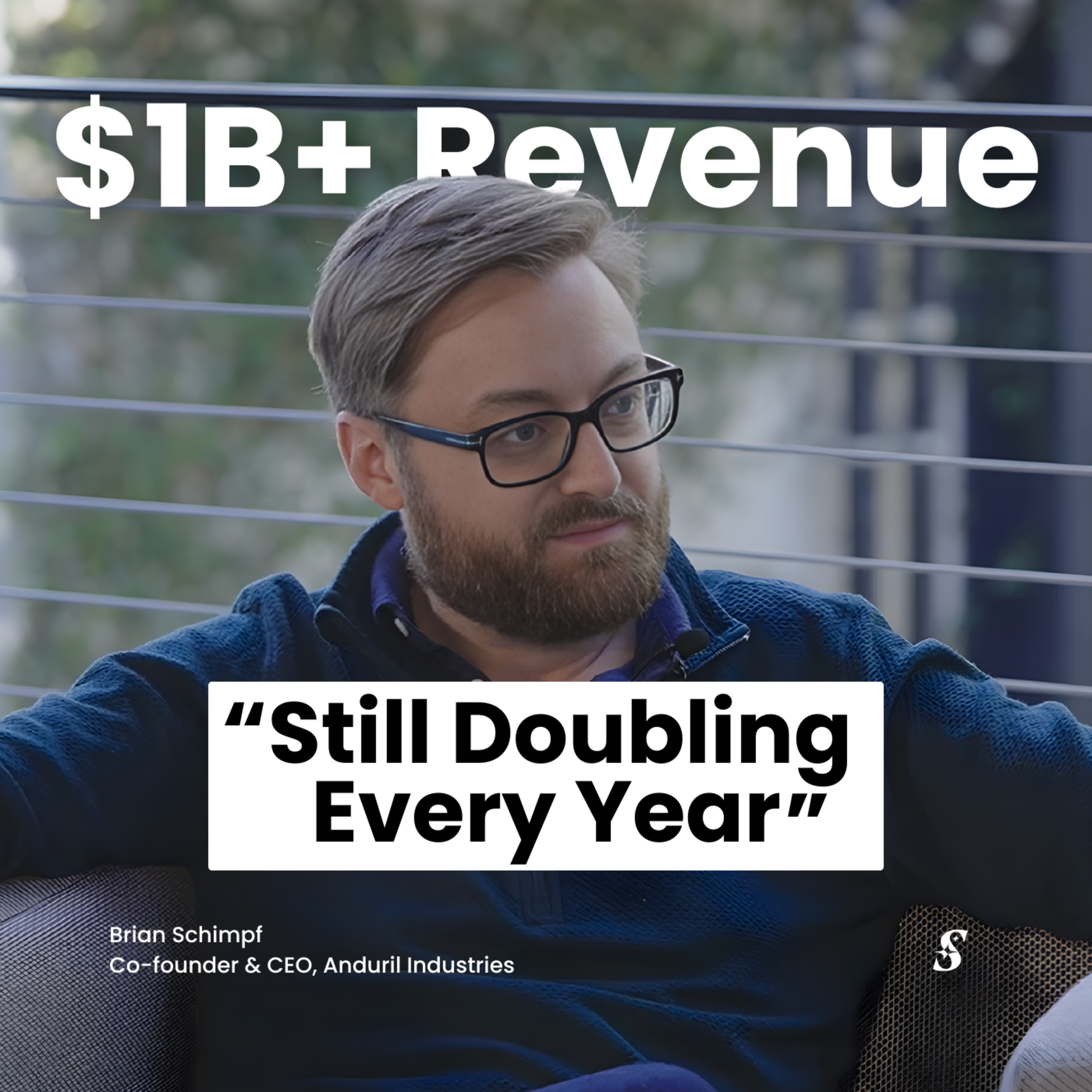
Companies typically promote CEOs from within. An external hire implies a crisis or a failure of succession planning. Therefore, an incoming external CEO has a mandate for significant change. Playing it safe with incremental adjustments squanders the opportunity and fails to address underlying issues.

After eight years of grinding, the founder recognized he had taken the company as far as his skillset allowed. Instead of clinging to control, he proactively sought an external CEO with the business acumen he lacked, viewing the hire as a "life preserver" to rocket-ship the company's growth.

The CEO's journey began with a personal obsession to fix what he saw as a great but poorly-run public company. He even researched a take-private deal as a "hobby" before being contacted for the role. This demonstrates that deep, unsolicited strategic analysis of a public company's flaws can be a direct path to its leadership.

Coach's CMO, hired at Louis Vuitton without luxury experience, used her anthropology background to her advantage. Being an outsider allowed her to question industry norms and see the customer experience with fresh eyes, turning a potential disadvantage into her "superpower."