Get your free personalized podcast brief
We scan new podcasts and send you the top 5 insights daily.
For the first 40 hires, the founder relied exclusively on people he had worked with directly or people recommended by trusted professional colleagues. He emphasizes qualifying the recommender, distinguishing between a friend who is fun and a colleague who is excellent at their job, ensuring a high-quality initial team.

Related Insights
To improve hiring decisions, founders should proactively meet top performers in roles they anticipate needing in 2-3 quarters. This isn't for immediate hiring but to build a mental model of excellence for that specific function and stage, which sharpens intuition when you do start recruiting.

The initial group of employees beyond the founders is the most critical for scaling. They form the first "concentric circle" and are responsible for hiring the next layer. Getting this group right establishes a high talent bar and a strong culture that perpetuates itself.

For hiring, Scott Galloway advocates for prioritizing "reference hiring" above all else. He trusts a strong recommendation from a credible source so much that he considers the candidate an "80, 90% lock on the job" before they even interview. This suggests vetted referrals are a far more reliable signal of quality than traditional interview performance.

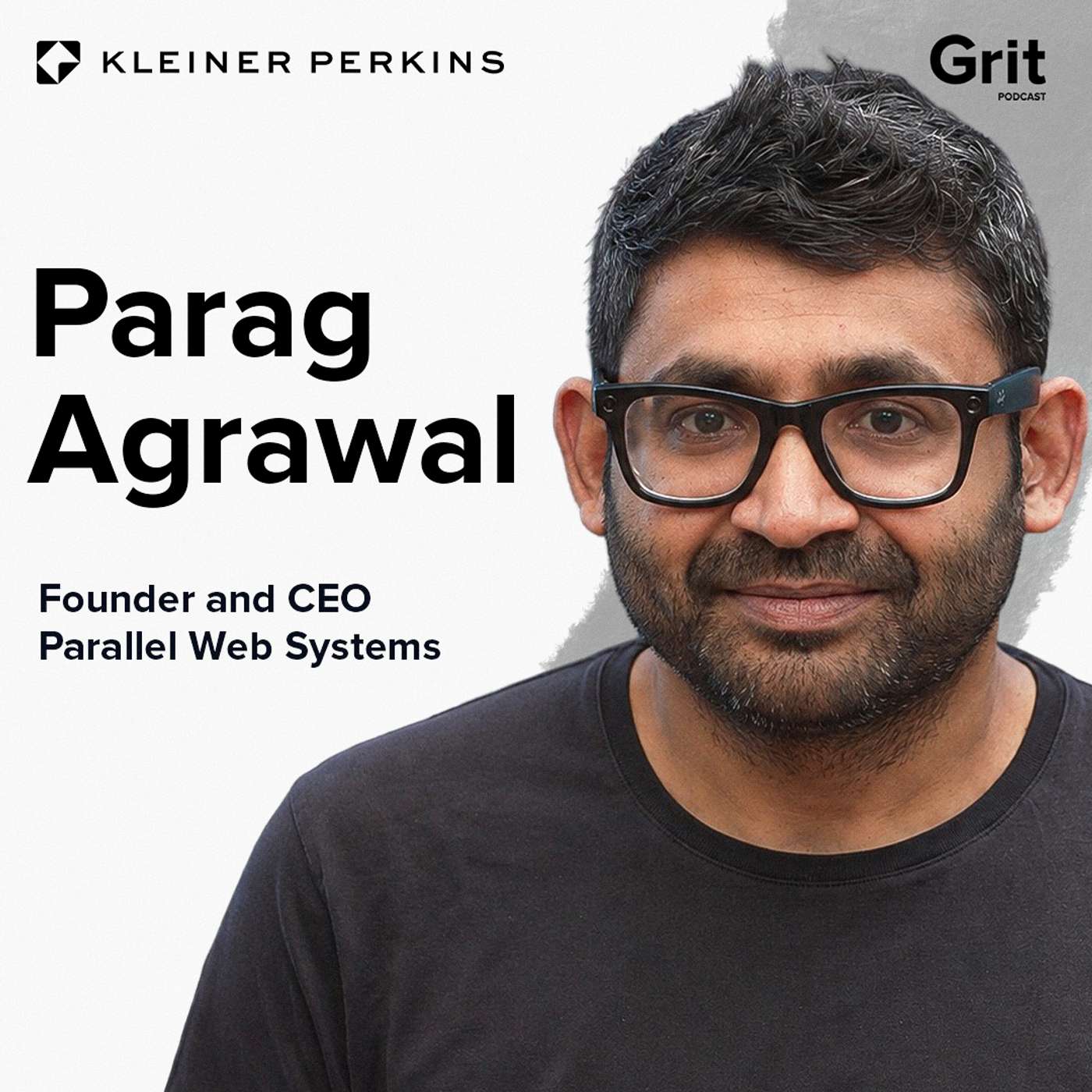
To avoid only hiring people he'd previously worked with, Agrawal implemented a "multi-hop" recruiting strategy. He identifies exceptional individuals and then asks them to name the three best people they've ever worked with. This allows him to tap into new, pre-vetted talent pools beyond his immediate circle.
Interviews are often misleading. A trusted recommendation from a high-performing employee or contact is a more reliable signal of a candidate's quality than your own interview assessment. This "reference hiring" is a secret weapon for building a strong team.

The first five people you hire are more than just employees; they are the architects of your company's culture. Prioritize hiring 'A players' with integrity and a will to win. They will attract other A players, whereas 'B players' will hire 'C players' out of fear, degrading the talent pool.

Experienced founders have a critical advantage: they can personally vet key hires based on years of observation. First-time founders often rely on their board's recommendations, which can lead to mismatched hires ("organ rejection") because they lack the firsthand context to judge fit.

One of Endra's core hiring principles is to find "talent magnets." They explicitly screen for candidates who have a network of other high-performers that would want to work with them. This signals strong collaborative skills and helps build a self-perpetuating pipeline of top talent for the company.

A key piece of leadership advice Polly D'Arcy received from Wealthsimple's CPO was to only hire people she would want to work for. This simple heuristic ensures a high bar for talent, autonomy, and trust, forcing you to build a team of people you genuinely respect.

An expensive mis-hire came from a friend's referral. The speaker realized that while she trusted her friends, they lacked the deep marketing expertise to properly evaluate the candidate's skills. This highlights the need to critically assess a referrer's own qualifications in the relevant domain, not just rely on the relationship.
