Get your free personalized podcast brief
We scan new podcasts and send you the top 5 insights daily.
Experienced founders have a critical advantage: they can personally vet key hires based on years of observation. First-time founders often rely on their board's recommendations, which can lead to mismatched hires ("organ rejection") because they lack the firsthand context to judge fit.

Related Insights
To improve hiring decisions, founders should proactively meet top performers in roles they anticipate needing in 2-3 quarters. This isn't for immediate hiring but to build a mental model of excellence for that specific function and stage, which sharpens intuition when you do start recruiting.

Second-time founders (“Act II teams”) possess a unique advantage. They can solve the same core problem but with complete clarity from the start, knowing the edge cases and organizational structure required. This allows them to leverage modern technology while avoiding the mistakes of their first venture, as seen with the founders of Workday and Affirm.
![Henry Ellenbogen - Man Versus Machine - [Invest Like the Best, EP.452] thumbnail](https://megaphone.imgix.net/podcasts/498a0910-d6ea-11f0-aae4-8f837283e00f/image/9b60f0353346cd1b5cbd326c86e22287.jpg?ixlib=rails-4.3.1&max-w=3000&max-h=3000&fit=crop&auto=format,compress)
Figma's founder, Dylan Field, admits he was a poor manager initially. His solution was to hire experienced leaders he could learn from directly, like his first director of engineering. This flips the traditional hiring dynamic; instead of hiring subordinates, insecure founders should hire mentors who can teach them essential skills and push the company forward.

Before hiring for a critical function, founders should do the job themselves, even if they aren't experts. The goal isn't mastery, but to deeply understand the role's challenges. This experience is crucial for setting a high hiring bar and being able to accurately assess if a candidate will truly up-level the team.

The primary advantage of a second-time founder is talent pattern recognition. Having learned what competence looks like for each role (e.g., SDR vs. VP of Sales), they can assemble a proven team structure quickly, bypassing the slow, painful learning process.

A key trap for experienced founders is assuming success in one domain translates to expertise in another. This temptation toward arrogance is amplified because their teams are less likely to question their judgment, leading to flawed decisions in unfamiliar areas.

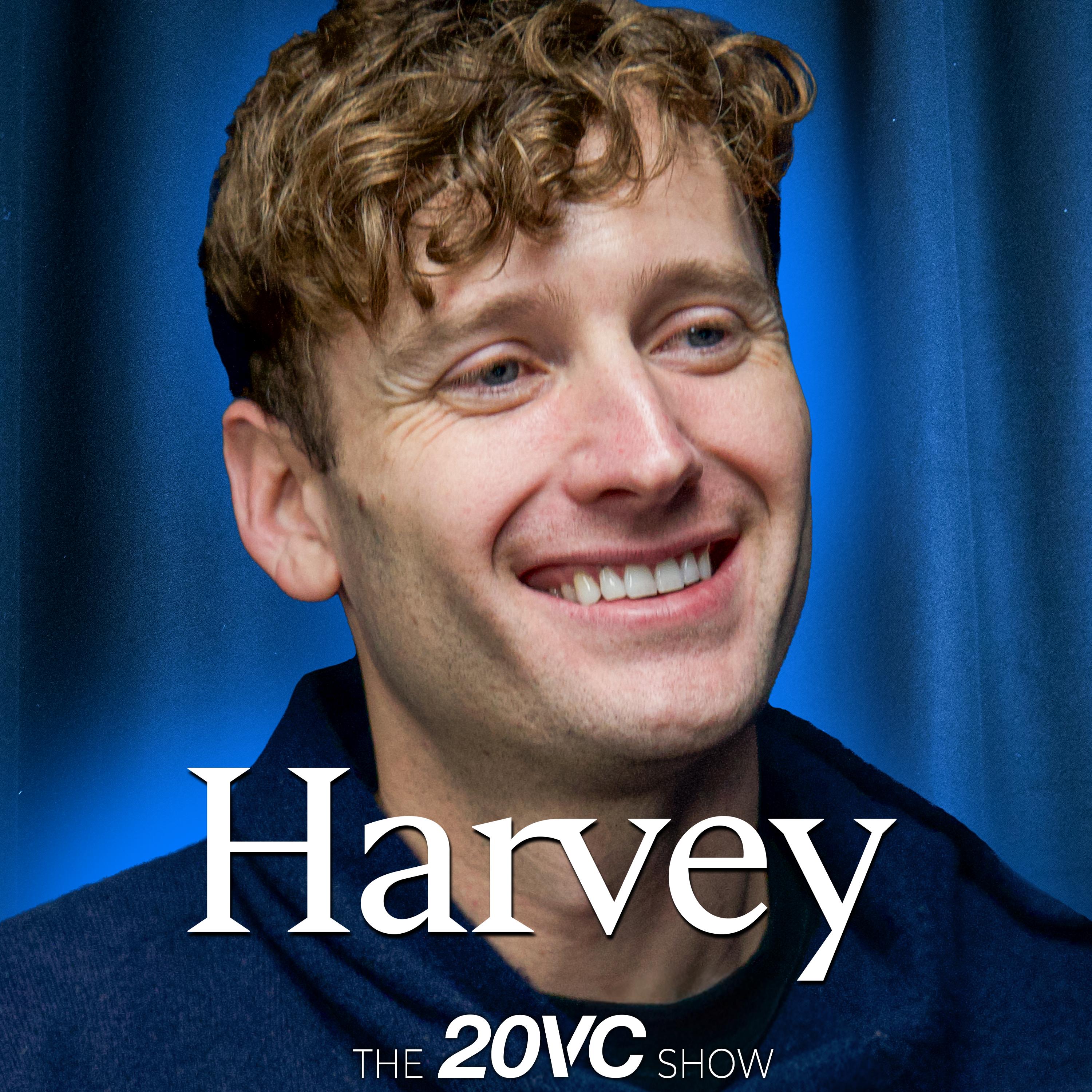
Harvey CEO Winston Weinberg asserts that if you've never done a role, you will hire the wrong person 100% of the time. For first-time founders, spending even three months in a function provides the necessary context to understand the job's demands and successfully hire a leader for that position.

Founders should trust VCs' advice on the timing for hiring senior executives, as they often underestimate the need. However, founders should trust their own gut on the specific candidate, as VCs can be swayed by polished presenters who may not be effective day-to-day operators.
In the current talent market, the most discerning recruiters of young talent are other young, high-performing founders. They possess an innate ability to identify the true "grinders" within their own generation, bypassing superficial signals and making hiring decisions with a level of accuracy that older managers may lack.

Founders remain long after hired executives depart, inheriting the outcomes of past choices. This long-term ownership is a powerful justification for founders to stay deeply involved in key decisions, trusting their unique context over an expert's resume.
