Get your free personalized podcast brief
We scan new podcasts and send you the top 5 insights daily.
One of Endra's core hiring principles is to find "talent magnets." They explicitly screen for candidates who have a network of other high-performers that would want to work with them. This signals strong collaborative skills and helps build a self-perpetuating pipeline of top talent for the company.

Related Insights
Prioritizing a candidate's skills ('capacity') over their fit with the team ('chemistry') is a mistake. To scale culture successfully, focus on hiring people who will get along with their colleagues. The ability to collaborate and integrate is more critical for long-term success than a perfect resume.

Building a top-tier team requires the same continuous effort as building a sales pipeline. Leaders should not passively rely on HR or external recruiters. Instead, they must actively and continuously 'pipeline generate' for A-player candidates, treating recruiting as a core, non-delegable responsibility to handpick their ideal team.

Like influential music scenes, a small team of high-performers creates a virtuous cycle. They inspire and elevate each other, establishing a high standard of execution that attracts and develops other top talent, making the whole team more effective.

To avoid only hiring people he'd previously worked with, Agrawal implemented a "multi-hop" recruiting strategy. He identifies exceptional individuals and then asks them to name the three best people they've ever worked with. This allows him to tap into new, pre-vetted talent pools beyond his immediate circle.
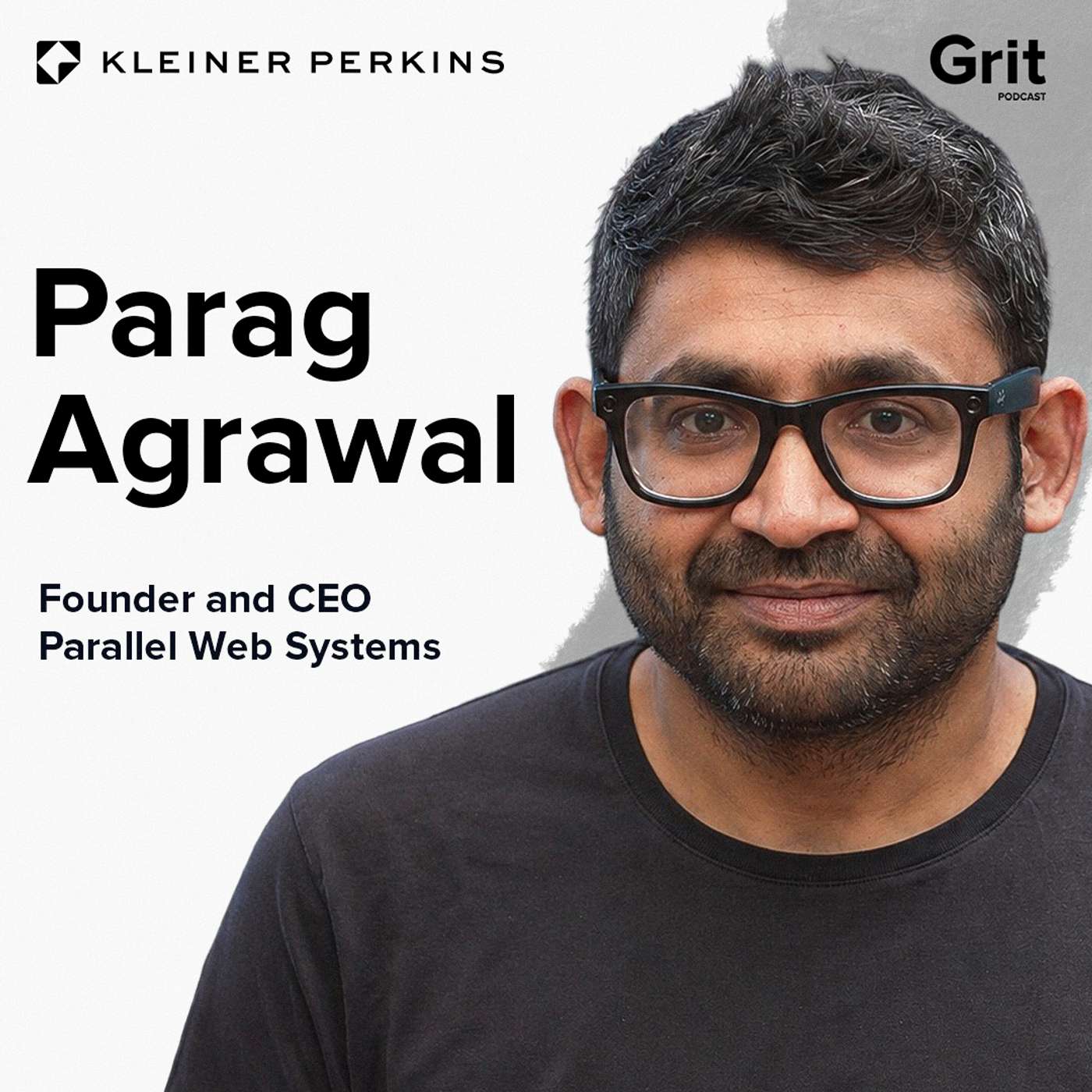
Treat hiring as a compounding flywheel. A new employee should not only be a great contributor but also make the company more attractive to future A-players, whether through their network, reputation, or interview presence. This focus on recruiting potential ensures talent density increases over time.
Conventional hiring—opening a role and then searching—is inefficient. Chesky advocates for 'pipeline recruiting,' a continuous process of meeting the best people in a field, asking them for introductions to other top talent, and building a deep rolodex long before a specific need arises.
![Brian Chesky - AI Founder Mode - [Invest Like the Best, EP.470] thumbnail](https://megaphone.imgix.net/podcasts/6162ba8a-4843-11f1-b7b7-53d3b402f9a6/image/0f929ee6c3171280178b7ad567d250fd.jpg?ixlib=rails-4.3.1&max-w=3000&max-h=3000&fit=crop&auto=format,compress)
To assess a leader's ability to spot talent, Zipline asks about their past hires and looks them up on LinkedIn. A powerful positive signal is if the candidate's former reports have achieved massive success themselves, such as getting promoted five times and now leading a 5,000-person division.

Interviews are often misleading. A trusted recommendation from a high-performing employee or contact is a more reliable signal of a candidate's quality than your own interview assessment. This "reference hiring" is a secret weapon for building a strong team.

When contractors complain they can't find good people, it's often a culture problem, not a talent shortage. A great workplace turns existing employees into recruiters who attract other high-quality talent from their networks, creating a self-sustaining recruitment pipeline.

Instead of recruiting for a job spec, Cursor identifies exceptional individuals and "swarms" them with team attention. If there's mutual interest, a role is created to fit their talents. This talent-first approach, common in pro sports, prioritizes acquiring top-tier people over filling predefined needs.