Get your free personalized podcast brief
We scan new podcasts and send you the top 5 insights daily.
When a character's walk from a Telstra ad went viral on TikTok, the brand avoided a heavy-handed takeover. Instead, they celebrated the fan community by editing user-generated videos into a TV ad and airing it in a premium slot. This amplified the organic trend without killing its authenticity.

Related Insights
When an organic post achieves significant viral reach, it has proven its creative resonance. Repurpose that exact video as a paid ad, adding a subtle call-to-action. It will often outperform meticulously tested performance creative because its engagement is authentic and pre-validated by the algorithm.

The case of Walgreens' mango gummies selling out nationally from one organic TikTok video illustrates that authentic, viral content can generate demand far exceeding traditional marketing efforts. This can even create a premium resale market, proving immense ROI.
Tree Hut CMO Luis Garcia featured their creator community in their Super Bowl ad, not traditional celebrities. For a brand built on social media, these creators are the real stars to their audience. This approach maintains authenticity, energizes the core community, and generates powerful organic amplification.

A single viral video on TikTok, without any paid media support, can generate enough consumer demand to sell out a CPG product nationwide. This proves organic creative now holds more direct sales power than massive, traditional campaigns.
Instead of using social media insights to create a new, expensive TV commercial, simply repurpose the raw, organically successful video and run it as the ad, complete with phone-native formatting.
Brands like JetBlue and Dr. Pepper went viral on TikTok not by producing their own content, but by actively commenting on and engaging with user-generated trends that mentioned them. A minimal posting schedule is sufficient if the brand is consistently active in the comments section.

Fan-made video edits on platforms like TikTok are proving more effective at driving viewership for films than expensive, studio-produced trailers. Their authenticity resonates with audiences, leading studios like Lionsgate and Disney to embrace and even commission this user-generated content.

KFC's pickle jacket originated from a failed, non-viral TikTok video. This shows that the most potent marketing ideas aren't always existing trends but can be obscure concepts "foraged" from user-generated content and then amplified by the brand into a viral campaign.

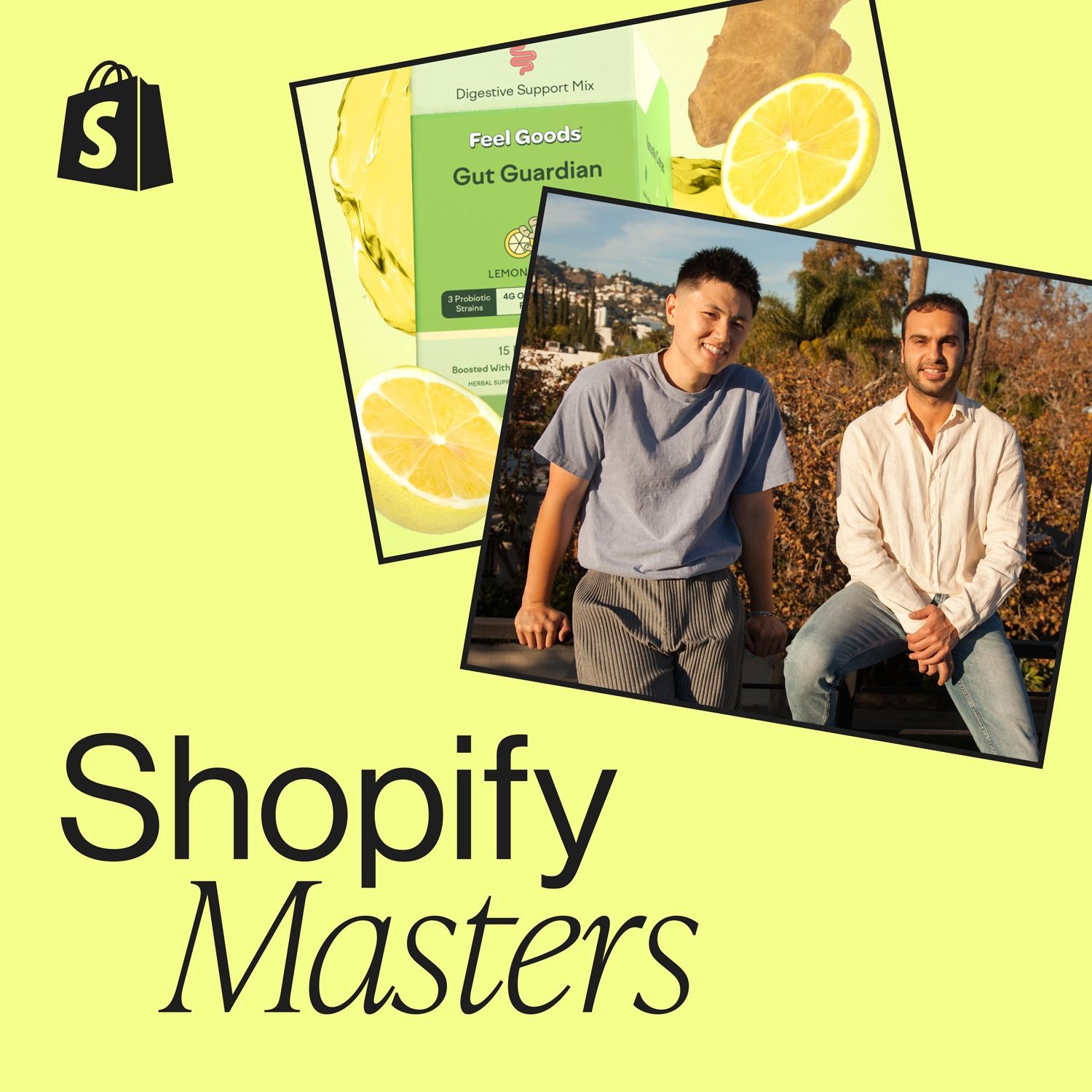
Instead of paying to test ad creative on Meta, Feel Goods posts short-form videos on TikTok. Videos that gain organic traction are then repurposed and promoted as paid ads on Meta, saving significant testing costs and ensuring proven concepts are scaled.
Instead of sticking to planned marketing for a new burger, Chili's social team noticed an organic TikTok trend around their Triple Dipper appetizer. By "pouring gas on the fire" with influencers, they turned a fan-driven behavior into a massive growth driver, proving the value of marketing agility.