Get your free personalized podcast brief
We scan new podcasts and send you the top 5 insights daily.
If rival Paramount overpays for Warner Brothers, Netflix avoids a costly acquisition. This would free up its $80B+ war chest for content creation while allowing it to bog down its competitor in a messy integration and protracted legal challenges, ultimately strengthening its market position.

Related Insights
The fight for Warner Bros. isn't a simple price war. Netflix's surgical bid for valuable IP and streaming assets forces Warner to value its remaining linear TV business separately. This contrasts with Paramount's higher, all-inclusive offer, creating a complex decision between a clean break and a higher, but more entangled, valuation.

The bidding war isn't between equals. Paramount, a smaller and weaker legacy media company, sees the acquisition as a necessity for future relevance. For the much stronger Netflix, it's an opportunistic play to cement its market leadership.

Netflix isn't buying Warner Bros. out of desire, but necessity. Facing plateauing engagement and competition from free platforms like YouTube, acquiring a massive IP library is a mandatory move to boost retention and hours watched, even if it's financially risky.

Netflix's bid for Warner Bros. may be a brilliant game theory play. Even if the deal is blocked by regulators, it forces its primary rival into a multi-year acquisition limbo. This distraction freezes the competitor's strategy, allowing Netflix to extend its market lead. It's a win-win for Netflix.
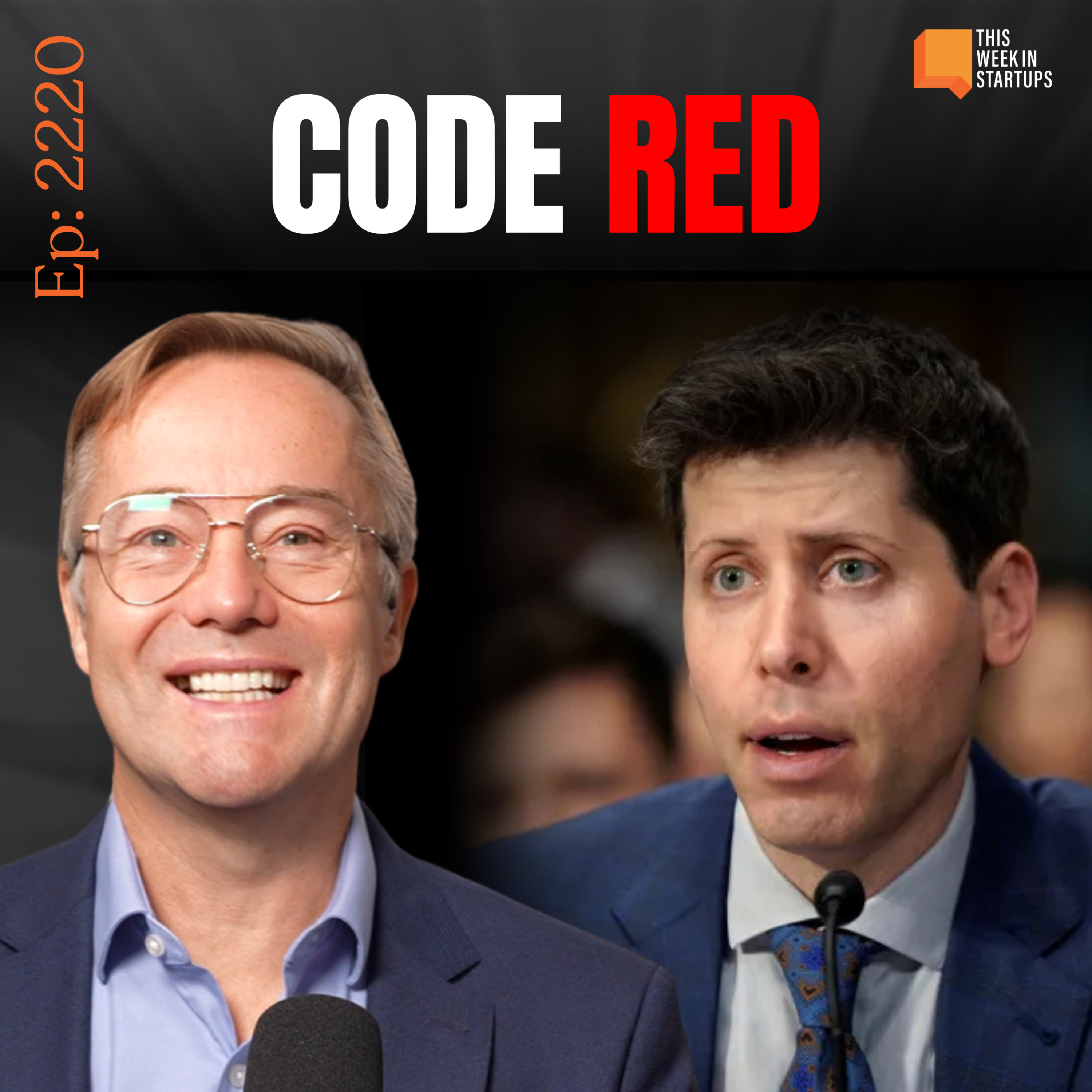
Unlike the infamous AOL-Time Warner merger where an overvalued tech stock bought a solid media asset, Netflix, a genuinely valuable company, is considering buying a legacy media library at a potentially inflated price. This signals a strategic shift from bubble-currency acquisitions to potentially overpriced consolidation by established tech players.

Beyond price, Paramount's offer for Warner Bros. is handicapped by strict covenants limiting WBD's operational flexibility during the potential 18-month closing period. WBD's board fears these restrictions would be costly, making Netflix's more flexible offer more attractive.
The intense bidding war for Warner Bros. Discovery is driven by unique strategic goals. Paramount seeks subscriber scale for survival, Netflix wants premium IP and sports rights, and Comcast primarily needs modern franchises like Harry Potter to fuel its profitable theme park business.
By launching a bid for Warner Bros., Netflix CEO Ted Sarandos has ingeniously stalled the market. This move forces all other potential suitors and targets into a holding pattern, as any significant M&A activity must now wait for the outcome of this lengthy regulatory battle, giving Netflix a strategic advantage.
In the bidding war for Warner Bros., Netflix is targeting the valuable studio IP, while Paramount critically needs the declining-but-profitable linear cable assets like CNN. This is because Paramount lacks the free cash flow of Netflix and requires the cable networks' earnings simply to finance the highly leveraged deal.

While Netflix is a market leader, its uncharacteristic pursuit of a massive M&A deal suggests its organic growth model may be reaching its limits, forcing it to acquire legacy assets and IP to maintain dominance.